
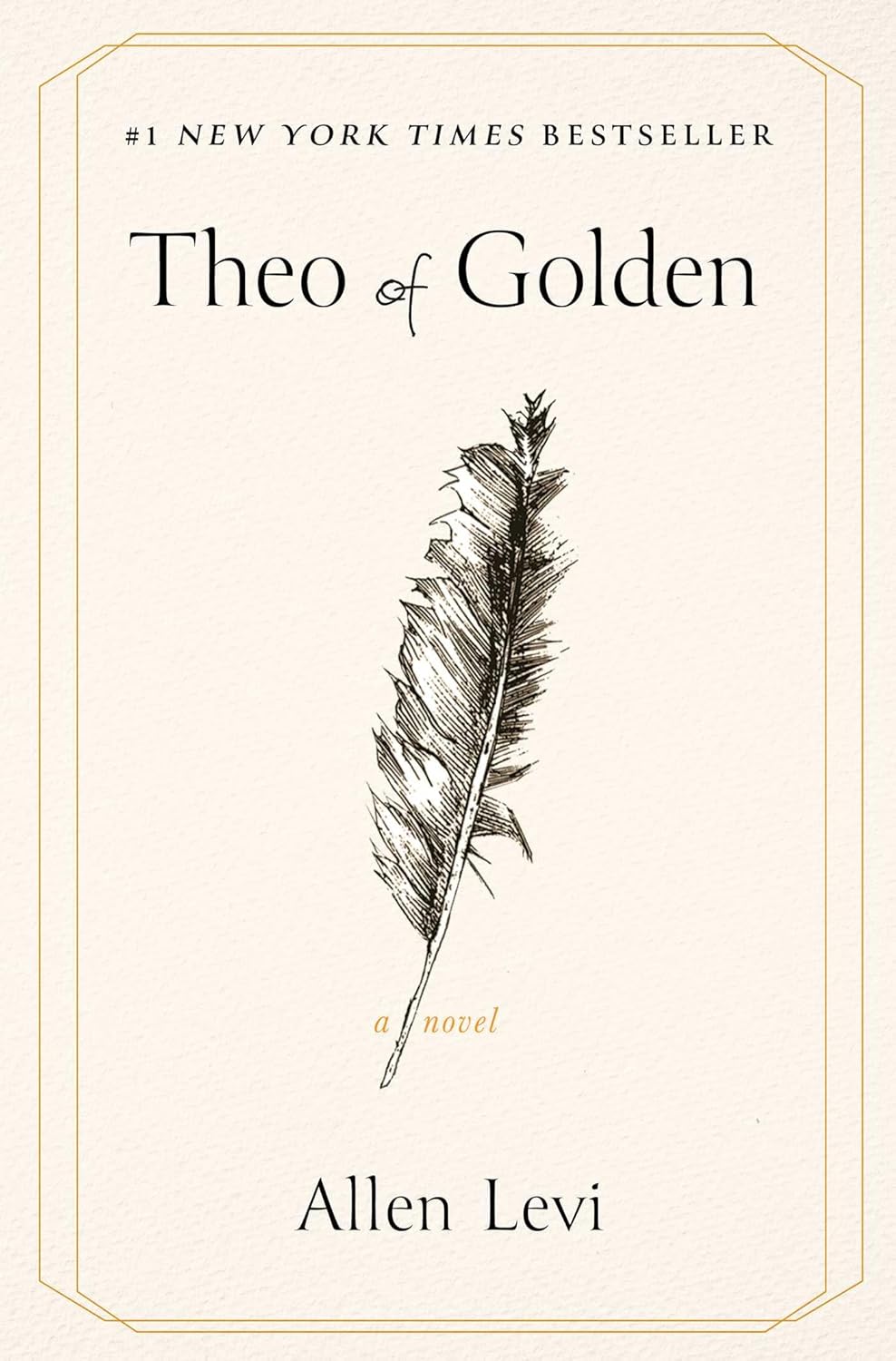
In a literary landscape often dominated by cynical anti-heroes and dystopian futures, Allen Levi delivers a profound breath of fresh air with his debut novel, Theo of Golden. Originally a self-published word-of-mouth sensation that eventually captured the attention of major publishers, this novel is a quiet, contemplative exploration of human connection. It asks a remarkably simple yet challenging question: What happens when a mysterious stranger decides to actively, intentionally, and anonymously bless the people of a small town? The result is a beautifully crafted narrative that trades fast-paced thrills for deep emotional resonance.
Book Comparison at a Glance
| Book Title | Genre | Target Audience | Rating |
|---|---|---|---|
| Theo of Golden | Literary / Contemporary Fiction | Book Clubs & Fans of Character-Driven Stories | 4.8 / 5 |
Plot Summary
The story begins with the arrival of a mysterious, impeccably mannered Portuguese octogenarian named Theo in the quaint, fictional southern town of Golden, Georgia. Seeking a quiet retreat from his life in New York, Theo wanders into a local coffee shop known as The Chalice. There, he is immediately captivated by ninety-two exquisite pencil portraits hanging on the walls, drawn by a talented local artist named Asher Glissen. Instead of merely admiring them, Theo embarks on a highly unusual mission: he purchases the portraits one by one with the sole intention of returning them to their “rightful owners”—the everyday citizens depicted in the sketches.
Theo meticulously tracks down the subjects of the portraits, sending them handwritten letters inviting them to meet him at a bench by a local fountain. With each “bestowal,” a new relationship is forged. Theo listens to their stories, validating their struggles, and quietly intervening to help them where he can. Through these encounters, the reader is introduced to a diverse cast of characters, including a traumatized veteran, an unhoused woman with a tragic past, and a young girl recovering from a devastating accident. As Theo weaves his invisible threads of kindness throughout Golden, the townspeople begin to wonder about the true identity of their anonymous benefactor, leading to a deeply moving revelation about Theo’s own history of grief and loss.
The “Real Talk”: A Critical Deep Dive
Let’s be entirely straightforward: Theo of Golden is not a book for readers who demand high-octane plots, shocking twists, or morally ambiguous suspense. The pacing is deliberately, almost defiantly, slow. Levi takes his time describing the rustle of leaves, the flow of the Oxbow River, and the exact phrasing of a polite conversation. This is a novel that requires you to decelerate your mind. If you surrender to its rhythm, the payoff is immensely rewarding.
However, some literary critics might argue that the novel flirts with being slightly overly sentimental, or “Pollyannaish.” Theo’s ability to instantly read people’s souls and fix their problems with vast resources and perfect wisdom borders on the magical. Yet, this is clearly Levi’s intention. The book functions more as an allegory or a modern-day fable than strict realism. One of the most striking aspects of the prose is the near-total absence of modern technology; there are no smartphones or social media deep-dives here. Connections are made face-to-face, forcing both the characters and the reader to embrace the uncomfortable, beautiful vulnerability of true presence.
Character Analysis
- Theo: The titular protagonist is a man intimately acquainted with profound sorrow, having lost his own family decades ago. Instead of letting his grief turn into bitterness, he alchemizes it into “creative generosity.” He is the ultimate listener, providing a mirror for others to see their own inherent worth.
- Asher Glissen: The local artist whose 92 portraits act as the catalyst for the entire plot. Asher represents the power of observation. His art captures the hidden dignity of Golden’s residents, which Theo then brings into the light.
- Tony Wilcox: The owner of the local bookstore, The Verbivore. A Vietnam veteran carrying deep emotional scars, Tony’s evolving friendship with Theo highlights the novel’s themes of trauma and the slow, necessary process of unburdening one’s soul.
- Ellen: An unhoused woman struggling with mental illness and a heartbreaking past involving the loss of her child. Theo’s treatment of Ellen—with utmost respect and dignity—serves as the emotional core of the novel’s message about societal outcasts.
Vibe Check
- Heartwarming
- Contemplative
- Soul-Nourishing
- Gentle
Thematic Analysis
The beating heart of Theo of Golden is the theme of Being Truly Seen. In a world where people constantly walk past one another, Theo stops to look. The portraits symbolize how art can capture the essence of a human being, but it takes an act of love to validate that essence. Levi suggests that recognizing the dignity in someone else is one of the most transformative gifts one can offer.
Another prominent theme is Good Sadness vs. Bad Sadness. The novel does not shy away from grief. Theo speaks of a “good sadness” that reminds us of what we have loved and lost, shaping our capacity for empathy. Finally, the book champions Anonymous Generosity. Theo operates in secret not to avoid praise, but because he understands that true charity is about empowering the receiver, not glorifying the giver.
Reader Reactions & Cultural Impact
The publication journey of this book is almost as compelling as the story itself. Self-published in 2023 by a 70-year-old debut author, it became a massive word-of-mouth hit before being picked up by Simon & Schuster for a major release. On Goodreads and Bookstagram, readers frequently describe the novel as a “balm for the soul” and the “perfect antidote to a cynical age.” It has become a massive favorite among book clubs and is highly praised in its audiobook format, narrated with stunning gravitas by Emmy-nominated actor David Morse.
About Allen Levi
Allen Levi’s background is as eclectic as the characters in his novel. Living in middle Georgia, Levi has spent parts of his life as an attorney, a probate judge, and a vocational singer/songwriter. He wrote Theo of Golden as a personal challenge, planning to leave it in a drawer until friends convinced him to publish it. His deep appreciation for music, community, and faith bleeds into every page of his work, marking him as a unique and vital new voice in contemporary literature.
Frequently Asked Questions
A: While the book contains strong themes of grace, redemption, and faith aligned with a Christian worldview, it avoids being overtly preachy and appeals widely to readers of general literary fiction.
A: As of now, Theo of Golden functions perfectly as a standalone novel. The ending is highly satisfying and wraps up the narrative beautifully.
A: Allen Levi intentionally minimized modern technology to emphasize the importance of face-to-face connection, handwritten letters, and being fully present in the moment.