
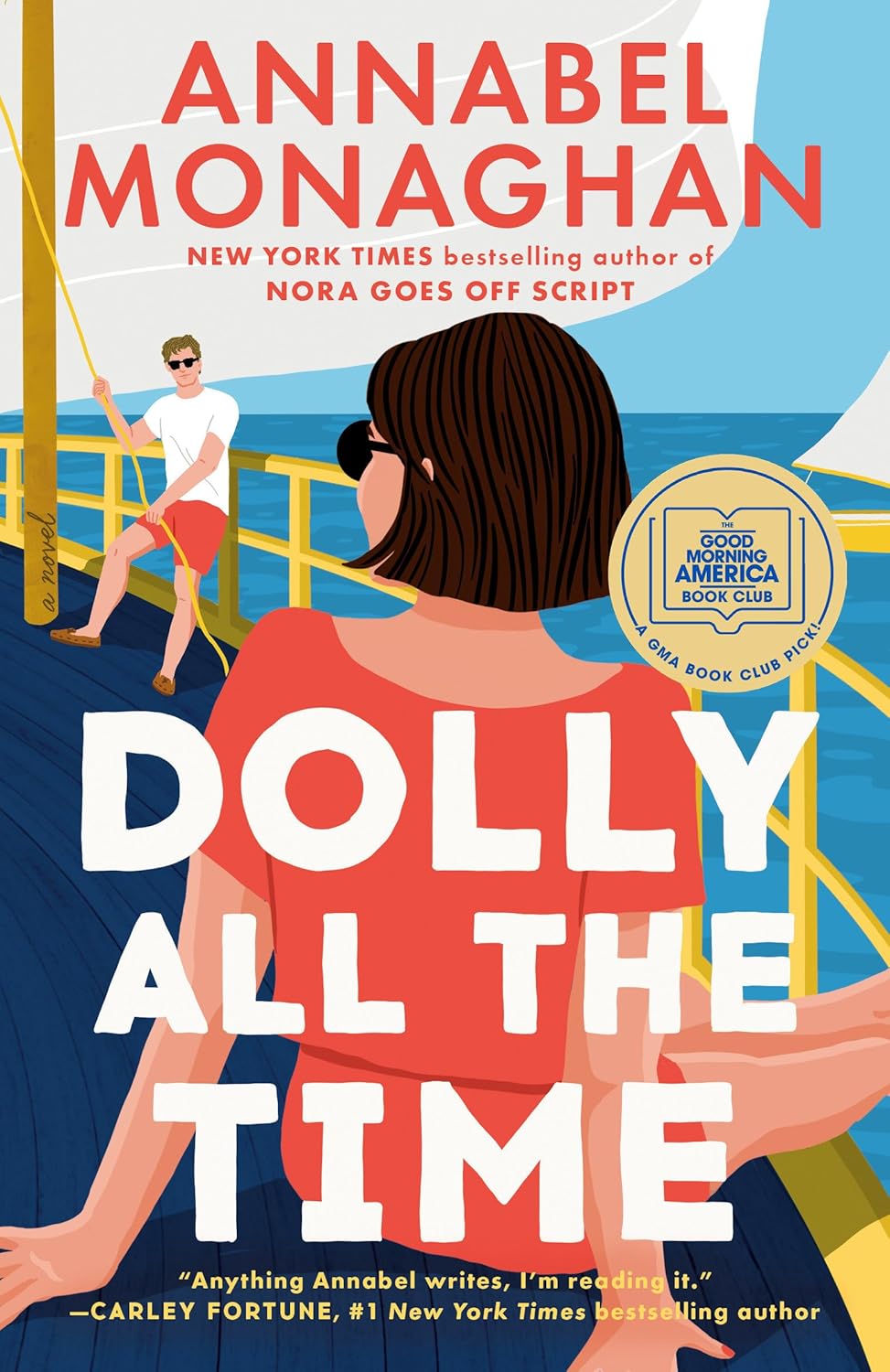
When it comes to crafting stories that balance sun-drenched escapism with profound emotional intelligence, few contemporary writers do it better than the author behind the 2026 literary sensation. In her highly anticipated summer release, Dolly All the Time, bestselling author Annabel Monaghan delivers an exceptionally moving, witty, and masterfully paced romantic comedy that transcends the typical boundaries of the genre. Seamlessly shifting between the sparkling glamor of high society and the grounding realities of blue-collar family loyalty, this novel positions itself as a premier standout in modern women’s fiction.
Set against the scenic backdrop of coastal Rhode Island, the narrative breathes fresh air into classic romance frameworks, turning a familiar setup into a deeply resonant character study. For readers searching for a story that offers both butterfly-inducing chemistry and an authentic look at life’s secondary chapters, this book checks every single box. It provides a rich look at what happens when two people from entirely different socioeconomic spheres drop their shields and allow themselves to be truly seen.
Quick Comparison Guide
| Book Title | Genre | Target Audience | Anwar Library Rating |
|---|---|---|---|
| Dolly All the Time | Contemporary Romance / Women’s Fiction | Fans of witty, mature rom-coms and emotional growth arcs | 4.8 / 5.0 |
Detailed Plot Summary
The story follows Dolly Brick, a thirty-nine-year-old single mother who has spent her entire life operating as the foundational pillar for everyone around her. Ever since her mother abandoned their family when Dolly was just a child, she has carried the weight of protecting, organizing, and managing her loved ones. This summer finds her back in her seaside hometown of Whitfield, Rhode Island, juggling multiple jobs—including shifts at the local Brick Fish House—in a desperate bid to save her father and disabled brother from losing their ancestral family home. When a devastating structural evaluation reveals that the house needs an expensive new roof to avoid condemnation, Dolly is pushed to her financial limits.
Enter Stewart Whitfield. As the handsome, high-flying, but emotionally insulated scion of the extraordinarily wealthy family after whom the town was named, Stewart is facing a crisis of his own. After experiencing a highly public and incredibly humiliating breakup with his status-conscious fiancée, his position as the incoming CEO of his family’s multi-million-dollar empire is suddenly jeopardized. The traditional corporate board, comprised mostly of critical family members, demands stability, and a messy personal life threatens to derail his life’s work. A chance encounter on the side of the road—where the hyper-capable Dolly easily fixes Stewart’s flat tire—sparks an unconventional idea.
Stewart proposes a business arrangement that sounds straight out of a Hollywood movie: a high-paying, legally contracted fake dating situationship for the duration of the summer season. In exchange for playing the role of his devoted, charming girlfriend at high-society benefits, political dinners, and family gatherings, Stewart will provide a massive financial payout—more than enough to fully fund the emergency home repairs Dolly so desperately needs. Though deeply skeptical of the wealthy elite and fiercely independent, Dolly accepts the deal out of pure love for her family. What begins as a clinical, mutually beneficial transaction quickly morphs into dangerous territory as public galas give way to intimate sunset boat rides, front-porch conversations, and a growing affection that neither protagonist anticipated.
The “Real Talk”: Pacing, Prose, and Impact
Let’s get into the honest critique: Monaghan’s greatest strength has always been her sparkling, realistic dialogue, and it shines brighter than ever in this text. The banter between the two main characters feels earned, natural, and crackles with an undercurrent of genuine affection rather than mean-spirited sarcasm. The pacing of the book is exceptional; it captures that lazy, expansive feeling of an East Coast summer while keeping the emotional stakes moving forward at a steady clip. There are no unnecessary subplots dragging down the narrative momentum, and the transition from strangers to business partners to genuine partners is fluid and believable.
If there is any minor critique to be made, it is that the ultimate conflict leading into the third-act breakup relies on a slight breakdown of communication that seasoned romance readers might find predictable. However, the author saves this familiar beat by infusing the characters’ reactions with immense maturity. The emotional payoff isn’t achieved through a single magic apology; instead, it requires months of independent internal work and emotional labor from both sides, making the eventual happily-ever-after feel incredibly satisfying, realistic, and profoundly moving.
In-Depth Character Analysis
Dolly Brick is a phenomenal heroine. She is fiercely competent, hardworking, and deeply loving, yet her greatest flaw is her absolute refusal to show vulnerability or accept assistance. Watching her navigate high-society spaces—entering through the front doors of grand mansions where she used to work the service entrances—provides a beautiful commentary on class and self-worth. Her evolution isn’t about changing who she is, but rather learning that letting someone else carry the load for a while isn’t a sign of weakness; it’s a testament to trust.
Stewart Whitfield could have easily devolved into a generic, detached billionaire trope, but Monaghan handles his character arc with remarkable tenderness. Stewart is a workaholic who effectively shut down his emotional core following a severe family medical crisis during his teenage years. His journey is quietly physical and psychological. As he falls for Dolly, his growth manifests in how he relearned how to connect through small touch—holding her hand, resting an arm around her shoulders, and actively learning to vocalize his internal fears. His relationship with Dolly’s thirteen-year-old son, Gus, is written with a brilliant touch, avoiding forced paternal tropes in favor of a genuine, respectful mentorship.
Vibe Check
If you want to understand the exact atmospheric energy of this novel before diving in, here are the dominant chords it strikes:
- Luminous: Sunsets on open boats, coastal Rhode Island air, and upscale summer aesthetics.
- Tender: Soft, vulnerable moments of physical and emotional connection that build slowly.
- Empowering: A celebration of working-class family devotion and self-sufficient women.
- Witty: Clever, fast-paced dialogue that keeps the romantic tension perfectly balanced.
Thematic Deep Dive: Beyond the Tropes
While the book utilizes the incredibly popular fake-dating and class-divide tropes, its thematic ambitions run much deeper. A central theme is the exploration of hyper-independence as a coping mechanism for trauma. Dolly’s relentless need to solve every problem herself stems from childhood abandonment. The novel acts as a gentle deconstruction of the “strong female lead” archetype, showing that true strength includes the capacity to share burdens and be vulnerable with another person.
Additionally, the book offers a beautiful exploration of family duty versus individual desire. Every sacrifice Dolly makes for her father, her brother, and her son comes from a place of deep, unconditional love rather than resentful obligation. Monaghan honors these working-class familial bonds, ensuring they are never viewed as an anchor holding Dolly back, but rather as the very heart that fuels her journey. The wealth contrast serves to emphasize that true security isn’t found in a bank account, but in the willingness to show up for the people you love when everything else falls apart.
Cultural Impact and Reader Reactions
Since hitting bookshelves in late May 2026, the novel has generated massive waves across digital book communities, quickly securing its spot as a Good Morning America Book Club selection. On platforms like BookTok and Goodreads, readers are praising the book for its mature approach to romance, celebrating a heroine in her late thirties who feels incredibly real, relatable, and fully realized. Literary giants have also weighed in, with bestselling authors like Carley Fortune and Beth O’Leary publicly adoring its brilliant chemistry, emotional warmth, and sharp humor, solidifying it as an instant classic within the contemporary romance space.
About the Author: Annabel Monaghan
Annabel Monaghan is a highly acclaimed, New York Times bestselling author who has perfected the art of the modern romantic novel. Known for her breakout hits like Nora Goes Off Script, Same Time Next Summer, Summer Romance, and It’s a Love Story, Monaghan has earned a permanent place in the LibraryReads Hall of Fame. Her writing is defined by its emotional wisdom, highly relatable protagonists, and an innate ability to capture the nuance of human relationships. She currently resides in Rye, New York, where she continues to craft stories that effortlessly blend profound heart with bright humor.
Frequently Asked Questions (FAQ)
What are the primary romance tropes in Dolly All the Time?
The novel heavily features the fake-dating, class-divide (rich/poor), and small-town summer romance tropes, executed with a highly mature and grounded perspective.
Is Dolly All the Time appropriate for younger readers?
The book is primarily geared toward adults and older young adults. It features mature themes regarding family responsibility, single parenting, and emotional vulnerability, alongside some mild, tasteful romantic intimacy.
Does Dolly All the Time have a happy ending?
Yes, the novel concludes with a definitive, beautifully earned Happily Ever After (HEA) for the main characters after they navigate their respective emotional journeys.
Where to Buy & Read
Ready to pick up your copy? Use the verified, functional search retail links below to find the best deals on physical, digital, or audio editions of this incredible book: