
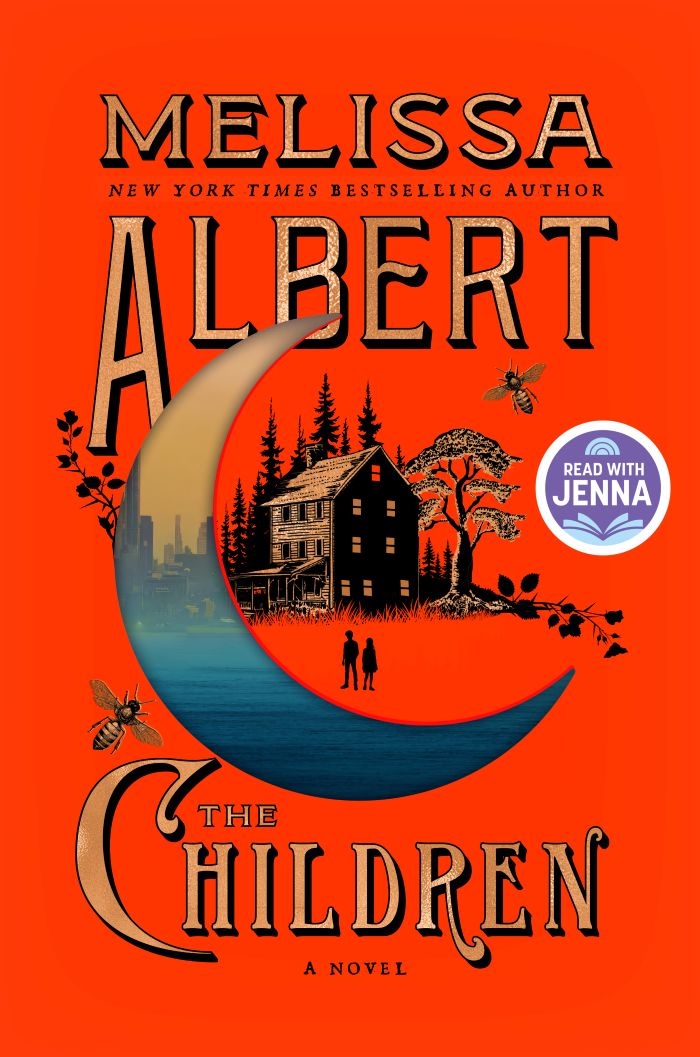
The Splintered Looking Glass: Introduction
Every so often, a psychological thriller emerges that treats family history not as a safety net, but as a slowly ticking time bomb. In The Children, bestselling author Melissa Albert pivots her signature penchant for the uncanny and the unsettling toward a deeply grounded, razor-sharp contemporary mystery. Known worldwide for weaving modern fairy tales with sharp, jagged edges, Albert brings that exact atmospheric tension to a domestic stage. For readers who enjoy dissecting hidden family dynamics, this book delivers a hauntingly immersive experience that stands alongside modern noir staples, examining how the ghosts of our past are often built by the choices of the living.
The Anatomy of a Secret: Key Details
| Book Title | Genre | Target Audience | Anwar Library Rating |
|---|---|---|---|
| The Children | Psychological Thriller / Gothic Mystery | Fans of dark family secrets, sharp prose, and atmospheric suspense | 4.7 / 5.0 |
The Quick Verdict: Pros & Cons
The Children is a beautifully written, deeply unsettling exploration of systemic family rot that trade cheap jump scares for sustained psychological dread. Albert’s lyrical prose elevates what could have been a standard domestic thriller into an unforgettable gothic portrait of inherited trauma.
- Pros: Stunningly vivid, atmospheric prose, intense psychological tension, and a complex narrative structure that keeps readers guessing.
- Cons: The deliberate, slow-burn pacing in the first half may test the patience of plot-driven thriller purists.
The Inheritance of Ash: Plot Summary of The Children (No Spoilers)
The story follows Esme and Rachel Miller, two sisters who have spent their adult lives trying to outrun the shadow of Blackwood House, their isolated childhood estate nestled deep in the dense forests of New England. Growing up, they were part of a tight-knit, fiercely protected group of siblings known to the local townspeople simply as “the Miller children.” But their idyllic, sheltered upbringing shattered one autumn night when an unexplained tragedy left their parents dead and their youngest brother, Finch, permanently mute and deeply traumatized.
Years later, the sudden, mysterious disappearance of Finch forces Esme and Rachel to return to the decaying estate they swore they would never see again. The house remains exactly as they left it, frozen in time, but the surrounding woods feel increasingly hostile. As the sisters dig into Finch’s final known movements, they discover a hidden cache of old audio tapes and encrypted journals left behind by their late father. The clues reveal that the tragic night from their childhood was not an isolated accident, but the culmination of a dark, multi-generational pact. With time running out and a localized sense of paranoia setting in, Esme and Rachel must piece together the truth behind their family’s wealth before the sinister patterns of the past repeat themselves.
The Deepest Cellar: The Children Ending Explained & Plot Twists (Spoilers)
Click to expand the deep-dive spoiler zone
🚨 WARNING: Major Spoilers Ahead! Do not expand this section unless you have finished the book.
The final act of the novel unravels with a series of staggering revelations. As Esme follows the breadcrumbs left in the journals, she learns that Finch never lost his voice due to trauma—his mutism was a calculated defense mechanism to protect the sisters from knowing what he did. The night their parents died, it wasn’t a home invasion or a freak accident. Their parents had planned to sacrifice the family’s autonomy to clear a massive, corrupt financial debt that would have destroyed all their futures. Finch discovered the plan and intervened, turning the weapons against them in an act of desperate survival.
The ultimate twist reveals that Rachel was not oblivious to this; she had been subtly manipulating Esme’s return to Blackwood House all along. Rachel had discovered Finch’s whereabouts weeks prior and sought to unearth their father’s remaining offshore accounts to secure her own freedom, using Esme’s natural investigative instincts to bypass the security measures their father put in place. In a chilling confrontation in the flooded cellar of the estate, Esme is forced to choose between shielding her traumatized brother or letting Rachel’s machinations come to light. Ultimately, Esme burns the remaining journals and financial records, letting the house consume its own legacy. Finch chooses to leave the country under a new identity, while Esme cuts all ties with Rachel, leaving Blackwood House as nothing more than a smoking ruin of secrets.
Lyrical Edge vs. Deliberate Burn: Critical Assessment of the Novel
The “Real Talk”: Pacing, Prose, and Impact
Melissa Albert proves once again that she is one of the most compelling stylists working in commercial fiction today. Her sentences are sharp, rhythmic, and laced with a cold, poetic beauty that perfectly suits the grim tone of the narrative. She successfully avoids the common pitfalls of the psychological thriller genre by refusing to rely on unearned, cheap narrative cheats. Instead, the dread builds naturally from the characters’ internal flaws and historical weights. While the book’s middle segment lingers heavily on atmospheric descriptions and internal monologues, the explosive, deeply earned payoff of the final hundred pages makes the slow journey entirely worth it.
The Anatomy of Loyalty: In-Depth Character Analysis
The complex relationship between Esme and Rachel forms the raw emotional core of the novel. Esme is a deeply compelling protagonist whose fierce, protective instinct for her family constantly battles her desperate need for the objective truth. Her journey is one of painful disillusionment. Rachel serves as a brilliant study in survival; her cold calculation isn’t born out of malice, but from a lifelong realization that within their family ecosystem, you are either the hunter or the prey. Finch, despite his lack of dialogue, anchors the book’s tragedy, serving as a heartbreaking physical manifestation of the cost of keeping family secrets buried.
Atmospheric Chemistry: Vibe Check
The unique mood and style of this release can be mapped across these intense aesthetic markers:
- Claustrophobic: Even when characters are outdoors in wide forests, the weight of the past creates a heavy, trapped atmosphere.
- Incendiary: A slow accumulation of hidden friction that feels like it could burst into flames at any given moment.
- Sharp: Lyrical dialogue and observations that slice clean through comfort and nostalgia.
- Gothic: An old house, deep woods, and long shadows that act as active characters in the plot.
The Cost of Protection: Themes & Motifs Deep Dive
At its heart, the book functions as a dark deconstruction of the phrase “protecting the children.” Albert brilliantly shows how adult efforts to shield younger generations from harsh realities often end up leaving them entirely defenseless against structural corruption. The physical decay of Blackwood House mirrors the internal rot of the family line, showing how wealth built on exploitation eventually demands a human toll. The recurring motif of audio tapes and journals highlights the fallibility of memory, forcing us to ask whether we can ever truly know the people who raised us.
For Lovers of Dark Legacies: Target Audience Guide
This novel is perfectly calibrated for readers who prefer their mysteries with a heavy dose of literary styling and psychological complexity. If you love stories about broken families, complicated sisterhood dynamics, slow-burn tension, and settings that feel wet with rain and heavy with history, this book deserves an immediate spot on your reading list.
If You Loved This Drama: Similar Recommendations
If the sharp prose and haunting family mysteries of this book kept you reading late into the night, consider picking up these excellent titles next:
- The Hazel Wood by Melissa Albert: The author’s iconic debut, offering an even deeper dive into dark, fairytale-adjacent mysteries and dangerous generational legacies.
- Sharp Objects by Gillian Flynn: A similarly masterclass look at family rot, small-town secrets, and the complicated, painful bonds between sisters and mothers.
- We Have Always Lived in the Castle by Shirley Jackson: The definitive classic blueprint for isolated siblings dealing with an estate full of dark histories and town hostility.
The Gothic Revival: Cultural Impact and Reader Reactions
Upon hitting bookshelves, the title sparked widespread discussion across major digital book hubs. Thriller communities on BookTok quickly embraced the novel’s distinct, rain-soaked aesthetic, praising Albert for prioritizing character depth over superficial, shock-value plot twists. Readers on Goodreads have celebrated the brilliant contrast between the lyrical writing style and the gritty, realistic unraveling of the core mystery, cementing it as an indie favorite for autumn reading challenges.
About the Author: Melissa Albert
Melissa Albert is the New York Times bestselling author of the critically acclaimed Hazel Wood series and several acclaimed pieces of short fiction. Before becoming a full-time novelist, she worked extensively as a writer and editor in the literary scene, founding popular book blogs and contributing to major cultural publications. Known for her unique ability to infuse contemporary stories with a sharp, distinctly gothic edge, Albert continues to captivate readers worldwide by exploring the complex, often dangerous intersections of stories, secrets, and human survival.
Frequently Asked Questions (FAQ)
Is The Children a fantasy novel like the author’s previous books?
No, while it retains the dark, heavy atmosphere and gothic prose style of her earlier work, this book is a grounded contemporary psychological thriller without overt supernatural or magical elements.
Is the mystery fully resolved at the end of the story?
Yes, the central mystery regarding the parents’ deaths and Finch’s disappearance is completely unraveled, providing a definitive, albeit dark and emotionally complex conclusion.
How violent or graphic is this particular thriller?
The book focuses far more on psychological suspense, emotional tension, and historical dread than explicit physical violence, though it contains some intense scenes dealing with past trauma.
Where to Buy & Read
Ready to immerse yourself in this unputdownable book? Use the verified, functional search retail links below to find the best deals on physical, digital, or audio editions: