
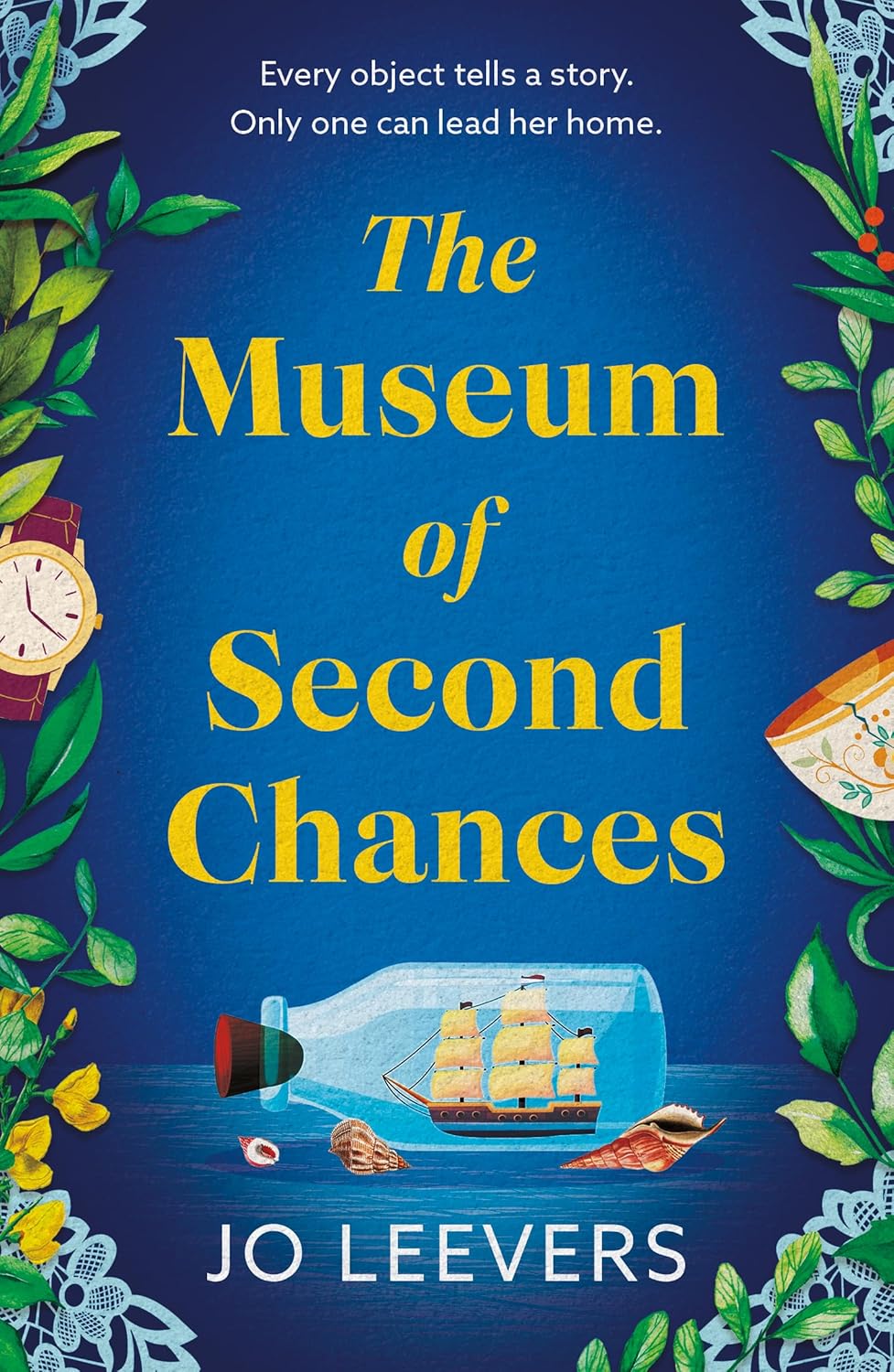
The Emotional Archivist: Introduction
Every single item we hold onto carries a ghost. In the deeply moving landscape of contemporary emotional fiction, few books understand this psychological truth quite as profoundly as The Museum of Second Chances by Jo Leevers. Following the magnificent footprint of human-centric, therapeutic mysteries like Gail Honeyman’s Eleanor Oliphant Is Completely Fine or Ruth Hogan’s The Keeper of Lost Things, Leevers weaves a tapestry where physical heirlooms serve as keys to locked human hearts. It is an exquisitely written exploration of how we archive our personal histories, how families bury deep trauma, and how the act of opening old boxes can pave the way toward radical healing and second chances.
The Museum of Second Chances At a Glance: Key Details
| Book Title | Genre | Target Audience | Anwar Library Rating |
|---|---|---|---|
| The Museum of Second Chances | Contemporary Fiction / Emotional Mystery | Fans of uplifting family dramas, book clubs, and stories of healing | 4.6 / 5.0 |
The Quick Verdict: Pros & Cons
The Museum of Second Chances is a triumphant, beautifully calibrated novel that perfectly balances the bittersweet weight of inherited grief with genuine moments of warmth and optimism. Jo Leevers writes about sensitive topics like loss and estrangement with incredible empathy, making this an unputdownable emotional journey from start to finish.
- Pros: Phenomenal character development, deeply unique metaphorical premise centering on everyday objects, and an exceptionally moving narrative conclusion.
- Cons: The multi-generational timeline shifts can occasionally require close reading, and some early chapters are heavily introspective.
The Unopened Boxes of the Heart: Plot Summary of The Museum of Second Chances (No Spoilers)
The narrative orbits around a deeply compelling protagonist who finds herself at a critical turning point in life, drowning under the suffocating weight of unexpressed grief and ancestral secrets. Tasked with clearing out a sprawling, eccentric estate filled to the brim with decades of hoarded knick-knacks, antiques, and personal keepsakes, she decides to categorize these items not by monetary value, but by the specific emotional memories they evoke. Each object possesses a story—a hidden dynamic of love, regret, or abrupt departure that the original owners were too terrified to voice aloud while they were alive.
As our protagonist digs deeper into the collection, she realizes that the estate is actually an accidental museum dedicated to missed opportunities and broken connections. Among the dusty shelves, she discovers a series of old letters and uniquely modified personal items that point directly to a massive, unresolved family fracture that occurred generations ago. To untangle the web of her own stagnant present, she must step into the role of an emotional archivist, tracking down the individuals connected to these long-lost belongings. In doing so, she inadvertently sets off a chain reaction across the entire community, forcing long-estranged people to confront the heavy shadows of their shared past.
The Ultimate Exhibition: The Museum of Second Chances Ending Explained & Plot Twists (Spoilers)
Click to expand the deep-dive spoiler zone
🚨 WARNING: Major Spoilers Ahead! Do not expand this section unless you have finished the book.
The emotional climax of The Museum of Second Chances builds toward the official opening of the physical “Museum” exhibition, where the curated keepsakes are displayed for the local community to interact with. The narrative’s primary mystery revolves around the sudden disappearance of a family member years prior and the silent, corrosive guilt that held the surviving characters hostage. Through a hidden compartment in a beautifully preserved vintage writing desk, the protagonist recovers the final pieces of an unsent correspondence that completely recontextualizes the historic family feud.
The true twist reveals that the tragic estrangement wasn’t born out of mutual hatred, but rather a profound, tragic misunderstanding designed to protect a vulnerable individual from societal shame. At the gallery exhibition, the remaining family members are brought face-to-face with these preserved artifacts of their youth. The truth breaks through decades of defensive silence, resulting in a series of breathtaking, tear-filled reconciliations. The ending delivers immense thematic payoff; the protagonist finally allows herself to mourn her own personal losses, packs away the physical burdens of the past, and boldly steps into a vibrant, unwritten future, proving that it is never too late to claim a second chance at happiness.
Lyrical Prose vs. Grounded Realism: Critical Assessment of the Novel
The “Real Talk”: Pacing, Prose, and Impact
Jo Leevers possesses a truly remarkable literary voice that is simultaneously lyrical, witty, and exceptionally grounded in reality. She tackles heavy thematic subjects like clinical depression, family neglect, and profound mourning without ever allowing the prose to sink into melodrama or cheap manipulation. Her writing feels deeply human and intimate. The structural pacing operates like a methodical archaeological dig; Leevers slowly brushes away layers of dust, item by item, ensuring that every narrative revelation feels entirely earned. While the early portions of the book prioritize quiet character contemplation over fast-moving plot mechanics, the emotional momentum accelerates beautifully once the historical mystery elements come to the forefront of the story.
The Broken Curators: In-Depth Character Analysis
The characters in this novel are drawn with magnificent, three-dimensional complexity. Our protagonist is a stunningly relatable figure whose defensive armor of isolation is gradually chipped away by the vulnerability of others. Her journey toward emotional self-actualization forms the radiant spine of the book. The supporting cast—composed of quirky neighborhood volunteers, grieving widows, and defensive family elders—are treated with immense dignity by the author. No one is cast as a cartoonish villain; instead, Leevers explores how ordinary, deeply flawed people make catastrophic mistakes when they are forced to operate out of fear, unaddressed trauma, or overwhelming grief.
Atmospheric Chemistry: Vibe Check
If you want to know exactly what it feels like to read this book, here is the curated aesthetic profile:
- Nostalgic: The warm, bittersweet ache of handling yellowed paper, old photographs, and objects from a bygone era.
- Melancholic: A soft, rainy-day sadness that gradually shifts into something beautifully clear and hopeful.
- Uplifting: The radiating comfort of watching broken social connections heal through shared vulnerability.
- Cozy: A safe, comforting literary atmosphere filled with warm tea, cluttered antique shops, and profound human kindness.
The Weight of Inherited Silence: Themes & Motifs Deep Dive
The central thematic battlefield of The Museum of Second Chances is the destructive nature of inherited generational silence. Leevers illustrates how a refusal to talk about trauma acts as an emotional inheritance, passing pain directly down to children who don’t even understand the origins of their own anxiety. The physical objects in the book function as a brilliant, running motif for emotional baggage; hoarding physical items becomes a mirror for hoarding unexpressed feelings. Ultimately, the novel serves as a powerful philosophical argument for collective vulnerability, proving that true liberation requires us to open our private museums and share our hidden scars with the world.
The Kindred Spirits: Target Audience Guide
This heartwarming and thoughtful novel will make an absolute permanent home on your bookshelf if:
- You love character-driven contemporary fiction that explores complex, realistic family dynamics.
- You find comfort in stories about interior design, antiques, or the secret emotional histories of physical spaces.
- You are looking for an inspiring, comforting read that handles the realities of grief with hope and optimism.
- You are an active member of a book club searching for a title packed with deep, discussion-worthy moral dilemmas.
If You Loved This Drama: Similar Recommendations
If you have finished this beautiful book and want to stay in a similar emotional headspace, we highly recommend these stellar titles:
- The Keeper of Lost Things by Ruth Hogan: A whimsical, heartwarming masterpiece about a man who spends his life collecting lost items to restore them to their rightful owners, uncovering beautiful stories along the way.
- Eleanor Oliphant Is Completely Fine by Gail Honeyman: The definitive modern standard for lonely protagonists gradually dismantling their emotional walls through community and kindness.
- The House at the Edge of Magic by Amy Sparkes: For readers who want a touch more magic infused into their stories of mysterious, object-filled houses and found-family healing.
The Goodreads Phenomenon: Cultural Impact and Reader Reactions
Since its highly anticipated release, The Museum of Second Chances has become an absolute sensation across literary TikTok (BookTok) and avid Goodreads communities. Readers are widely celebrating the book for its rare ability to make them cry tears of sorrow and immense joy within the span of a single chapter. The novel has been selected by numerous high-profile international book clubs, quickly securing its reputation as one of the most therapeutic and emotionally resonant fiction releases of the year.
About the Author: Jo Leevers
Jo Leevers is a highly accomplished journalist, researcher, and bestselling novelist known for her incredibly sharp observation of human behavior and domestic spaces. Having spent years writing about interior design, homes, and the personal histories behind people’s belongings for major national publications, she seamlessly channels that professional expertise into her fiction. Her previous hit novels, including the widely acclaimed Tell Me How This Ends, have firmly established her as a premier contemporary voice in crafting compassionate, deeply moving stories about human connection and resilience.
Frequently Asked Questions (FAQ)
Q: Is The Museum of Second Chances part of a series?
A: No, this is a completely standalone contemporary fiction novel that wraps up all its storylines in a single volume.
Q: Does this book handle heavy topics like death and grief?
A: Yes, while the book deals directly with loss and mourning, it maintains a highly comforting, hopeful, and ultimately uplifting tone throughout.
Q: Is this book appropriate for book club discussions?
A: Absolutely. The themes of family secrets, generational trauma, and reconciliation make it an ideal choice for group dialogue.
Where to Buy & Read
Ready to immerse yourself in this unputdownable book? Use the verified, functional search retail links below to find the best deals on physical, digital, or audio editions: