
Gothic Shadows and Shattered Cathedrals: Introduction
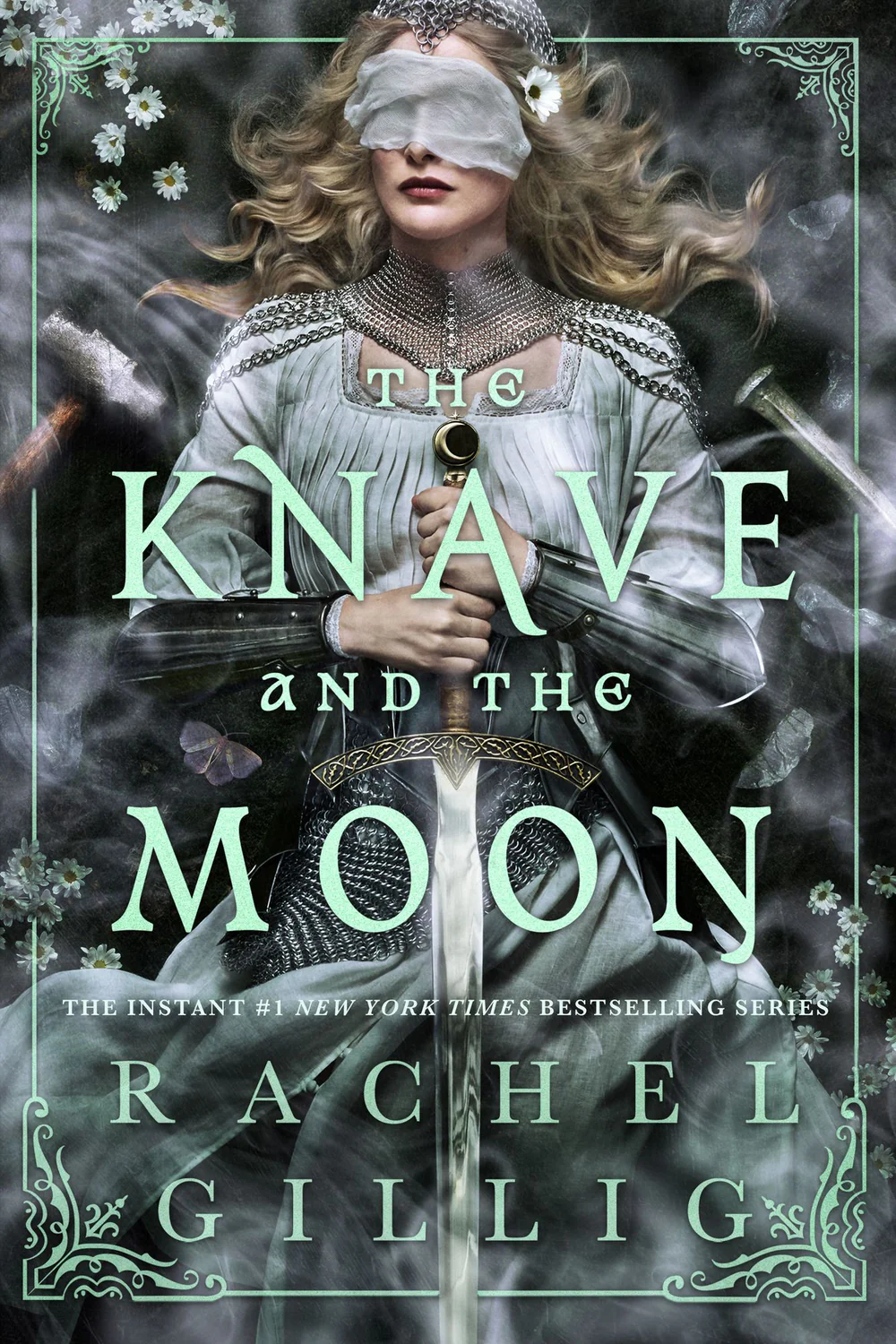
The dark, misty landscapes of modern romantasy are getting a highly anticipated return to form. In The Knave and the Moon by Rachel Gillig, readers are pulled right back into the hauntingly atmospheric world of the Stonewater Kingdom. Serving as the direct conclusion to her chart-topping dark fantasy hit The Knight and the Moth, this highly anticipated novel positions Gillig alongside genre titans like Rebecca Ross and Leigh Bardugo. Known for her lyrical prose, eerie folklore, and characters with bruised knuckles, Gillig proves once again why she is a definitive voice in contemporary gothic romance.
The Stonewater Chronicles: Key Details
| Book Title | Genre | Target Audience | Anwar Library Rating |
|---|---|---|---|
| The Knave and the Moon | Gothic Romantic Fantasy | Fans of dark folklore, slow-burn romance, and intricate magic systems | 4.8 / 5.0 |
The High-Stakes Verdict: Quick Verdict & Vibe
An absolutely breathtaking follow-up that turns up the heat, tension, and structural stakes of the duology. Rachel Gillig leans heavily into her strengths—gargoyles, ancient pacts, and fierce heroines—to deliver a narrative that satisfies both the craving for deep lore and intense romantic angst.
- Pros: Impeccable, rich atmospheric writing; masterful pacing within a tournament-style sub-plot; exceptional expansion of the magic system.
- Cons: A highly emotional midsection that might test readers who prefer non-stop physical action over structural political survival.
The Ashes of Aisling Cathedral: Plot Summary (No Spoilers)
The story opens in the devastating wake of structural ruin. Aisling Cathedral lies fallen, its holy spires collapsed, and the fragile peace of Traum has shattered entirely. Dark rumors echo through the kingdom’s hamlets that Rodrick Myndacious, Bartholomew, and Maude Bauer have met their tragic demises. Seizing on this collective vacuum of hope and power, the ruthless King Benji has claimed the throne and consolidated his authority by taking the formidable Sybil Delling as his captive bride.
To mask his tyranny and project an illusion of absolute divine mandate, Benji organizes a brutal series of combat tournaments across the provinces. Sybil, held prisoner and heavily drugged to suppress her magical capabilities, remains unbroken in her resolve. She is fiercely determined to vanquish the tyrant king just as she once brought down the ancient Omens, even if destroying the kingdom’s corrupt faith means pulling the entire realm down with her.
The turning point comes when a nameless, memory-stripped warrior rises to the top of the tournament lists. This mysterious knave handles a blade with unmatched grace and harbors secrets etched into his skin. As his path collides with Sybil’s gilded cage, she realizes this stranger may be her ultimate weapon to break Benji’s stranglehold on Traum. In a land where legends run in cycles and old stories demand repetition, finding out who this nameless warrior truly is becomes the ultimate race against time.
The Vault of Fan Theories: Ending Explained & Plot Twists (Spoilers)
Click to expand the deep-dive spoiler zone
🚨 WARNING: Major Spoilers Ahead! This section breaks down early ARC releases, verified teaser material, and structural fan theories for this unreleased conclusion.
Because The Knave and the Moon concludes the Stonewater Kingdom duology, fan discourse centers squarely on the true identity of the mysterious, memory-wiped warrior who dominates Benji’s tournament lists. The prevailing—and narrative-heavy—theory suggests that this nameless knave is actually Rodrick Myndacious, surviving his supposed death but paying a severe magical toll that stripped him of his past memories.
Teaser fragments hint that Sybil’s true battle isn’t just surviving the physical arena, but breaking the psychological conditioning and drugs keeping her isolated from her power. The climax promises a subversion of the traditional “chosen one” cycle. To break the magical loops governing the Stonewater Kingdom’s faith, Sybil and her nameless ally must intentionally dismantle the very structures that define Traum’s theological power, proving that a cruel king can be bled just like any mortal man.
A Symphony of Brutal Elegance: Critical Assessment of the Novel
The “Real Talk”: Pacing, Prose, and Impact
Gillig’s prose operates like velvet wrapped around steel. The pacing of this sequel is noticeably more urgent than its predecessor, shifting smoothly from the atmospheric dread of a collapsed sanctuary to the high-stakes theater of provincial combat tournaments. What makes her work resonate so deeply is her unique ability to avoid generic fantasy clichés. The romance does not distract from the political stakes; instead, the romantic tension is completely entwined with the characters’ mutual survival. The dialogue remains sharp, dripping with subtext, and laced with a gritty reality that keeps the high-concept magic grounded.
Masks, Madness, and Sovereignty: In-Depth Character Analysis
The character arcs in this installment represent a masterful study in trauma and resistance. Sybil Delling shines brightly as a captured but unyielding protagonist; her internal battle against chemical suppression showcase a level of emotional grit that makes her incredibly compelling. She isn’t an overnight powerhouse, but a tactical survivor. Opposite her, the Nameless Knave presents a fascinating blank canvas. His lack of personal history allows Gillig to explore identity as a collection of choices and muscle memories rather than mere lineage. Finally, King Benji serves as an excellent villainous foil—his cruelty stems from a desperate need for validation, making him unpredictable and terrifyingly human.
Atmospheric Chemistry: Vibe Check
The aesthetic identity of this book can be distilled into several core sensory experiences:
Gothic Noir: Cloaked in heavy damp fog, crumbling stone masonry, and dark, candlelit tournament rings.
Bruised Romantasy: A love story born out of mutual survival, desperate glances across crowded rooms, and unyielding loyalty.
Melancholic Triumph: The bittersweet feeling of fighting a broken system from the absolute bottom while carrying the weight of lost friends.
Cyclical Mythology and False Idols: Themes & Motifs Deep Dive
At its absolute core, the book tackles the profound dangers of uncritical religious devotion and state-mandated mythology. By exploring a kingdom where “stories repeat themselves,” Gillig delivers a sharp social commentary on how power structures weaponize history and folklore to control a populace. The shattered Aisling Cathedral acts as a dominant physical metaphor for systemic corruption; it shows that once an institution becomes hollow, it must fall completely before anything genuine can grow in its place. Memory also operates as a major thematic motif, examining whether our choices or our memories truly define our humanity.
Heirs to the Gothic Throne: Target Audience Guide
This book is meticulously crafted for readers who adore complex, dark fantasy worlds that do not compromise on deep romantic arcs. If you find yourself constantly highlighting lines of poetic prose on your e-reader, or if you prefer heroines who rely on their sharp minds just as much as their magical gifts, this duology conclusion is required reading. It will especially appeal to those who enjoyed Gillig’s previous work, One Dark Window, as it carries that exact signature blend of folk horror and high-stakes royal political intrigue.
If You Loved This Drama: Similar Recommendations
If you find yourself experiencing a major reading slump after turning the final page, pick up these phenomenal dark fantasies:
- Divine Rivals by Rebecca Ross: For readers who crave that same beautiful blend of lyrical, poetic prose and deep, high-stakes romantic tension set against a crumbling world.
- Starling House by Alix E. Harrow: If the eerie, living gothic atmosphere and deep-seated structural family/kingdom secrets of the Stonewater series captivated your imagination.
- A Study in Drowning by Ava Reid: A perfect match for those who enjoy dark folklore, academic mystery vibes, and unyielding heroines facing down corrupt power systems.
The BookTok Awakening: Cultural Impact and Reader Reactions
The fantasy community’s response to this duology has been electric. Early reviewer circles and online book communities have praised Gillig’s incredible consistency in maintaining a genuinely eerie, dark fairy tale tone. On platforms like Goodreads and BookTok, the intense theorizing regarding the true fate of Bartholomew and Rodrick has generated immense viral engagement, solidifying the series as a modern dark romantasy cornerstone.
About the Author: Rachel Gillig
Rachel Gillig is an internationally bestselling author known for creating meticulously structured duologies. She holds a unique philosophy of writing her series as “one long book with an intermission between,” ensuring tight plotting and zero filler. After capturing global attention with her stellar debut fantasy duology, The Shepherd King, Gillig has firmly established her status as a reigning master of gothic romantic fantasy with the completion of the Stonewater Kingdom duology.
Frequently Asked Questions (FAQ)
Q: Is The Knave and the Moon a standalone book?
A: No, it is the second and final installment of the Stonewater Kingdom duology. You must read The Knight and the Moth first to fully grasp the intricate plot and character relationships.
Q: When is the official release date for this book?
A: The book is officially scheduled for publication on September 1, 2026, by the Little, Brown Book Group.
Q: Does this book feature a happy ending?
A: While Rachel Gillig is known for her dark, bittersweet gothic elements, her duologies fundamentally center on deep romantic resolution and structural salvation, providing a deeply satisfying conclusion.
Where to Buy & Read
Ready to immerse yourself in this unputdownable book? Use the verified, functional search retail links below to find the best deals on physical, digital, or audio editions: