
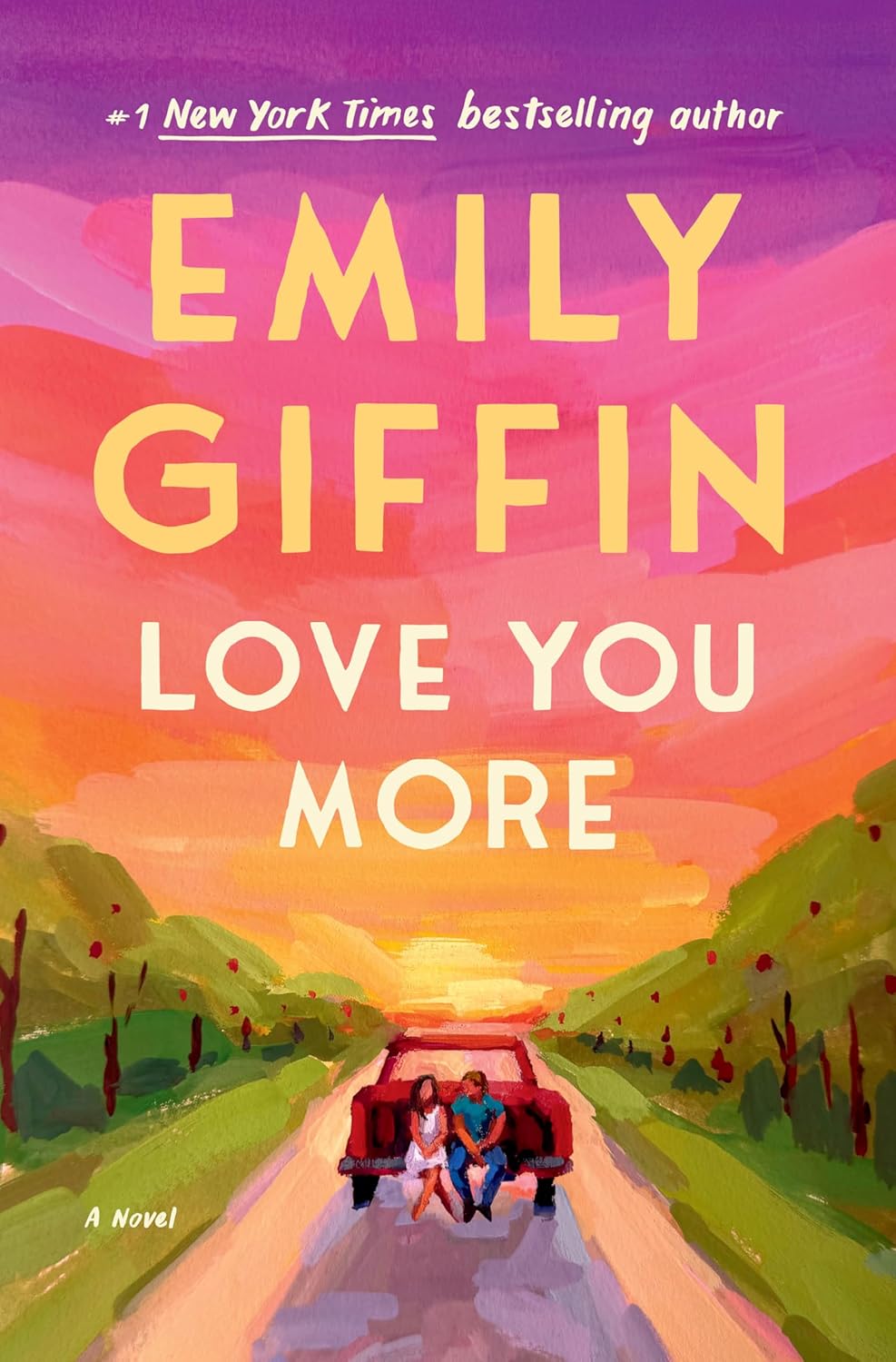
The Anatomy of Compromise: Introduction
Every relationship has a breaking point, but few writers map the fault lines with the sharp, unblinking precision of Emily Giffin. In Love You More, Giffin returns to the highly volatile emotional terrain that made her a household name with Something Borrowed. Instead of the glittering, twenty-something angst of New York City, however, this novel settles into the deceptive quiet of suburban luxury, where a seemingly perfect marriage begins to curdle under the weight of routine, unfulfilled desires, and a sudden, earth-shattering temptation. It is a story that immediately invites comparison to Liane Moriarty’s domestic thrillers and Celeste Ng’s intricate family portraits, asking hard questions about what we owe our partners versus what we owe ourselves.
Love You More At a Glance: Key Details
| Book Title | Genre | Target Audience | Anwar Library Rating |
|---|---|---|---|
| Love You More | Contemporary Relationship Fiction | Fans of domestic drama, character-driven romance, and moral dilemmas | 4.2 / 5.0 |
The Quick Verdict: Pros & Cons
Love You More is an addictive, agonizingly realistic dissection of a marriage in crisis that will make you question your own moral boundaries. Giffin writes with a smooth, compelling momentum that keeps the pages turning, even when the characters make deeply frustrating choices.
- Pros: Exceptionally realistic dialogue, a highly nuanced portrayal of emotional infidelity, and an incredibly brisk pace that prevents the heavy subject matter from dragging.
- Cons: The main protagonist’s decisions can occasionally border on the intensely unsympathetic, and the third-quarter pacing feels slightly rushed to accommodate the final twists.
The Catalyst of Boredom: Plot Summary of Love You More (No Spoilers)
The story follows Ellen, a successful, thirty-something landscape architect living in a meticulously styled suburban home with her devoted husband, Andy. To the outside world, and to Andy himself, their life is a picture-perfect blueprint of modern achievement. They have a solid foundation built on shared history, mutual respect, and a comfortable routine. Yet beneath the surface of Ellen’s beautiful gardens and harmonious domestic life lies an encroaching, silent numbness. The passionate spark that initially defined their early relationship has slowly transformed into a companionable warmth—safe, predictable, and increasingly stifling.
The fragile equilibrium of their marriage is utterly shattered when Ellen secures a high-profile design commission for a wealthy new client. Enter Leo, a charismatic, intensely creative photojournalist who has recently returned from years of traveling the world. Where Andy represents stability, safety, and the comforting weight of the status quo, Leo represents everything Ellen feels she has locked away: artistic wildness, unpredictable passion, and an electric, dangerous spontaneity. What begins as a professional collaboration rapidly evolves into a highly charged emotional connection, forcing Ellen to confront the terrifying reality that her comfortable life might be built on a foundation of profound compromise.
The Lakeside Confrontation: Love You More Ending Explained & Plot Twists (Spoilers)
Click to expand the deep-dive spoiler zone
🚨 WARNING: Major Spoilers Ahead! Do not expand this section unless you have finished the book.
The narrative reaches its boiling point during a climatic weekend getaway at a secluded lakeside property. Ellen, entirely consumed by her escalating affair with Leo, intends to finally tell Andy the truth and demand a divorce. However, the universe has a cruel sense of timing. Before Ellen can deliver her speech, Andy surprises her with a heartfelt, deeply vulnerable confession of his own: he has noticed her emotional withdrawal and has quietly liquidated his savings to buy her the independent design studio she has always dreamed of, choosing to double down on his commitment to their future.
This shocking revelation of Andy’s profound, selfless love triggers an intense crisis of conscience for Ellen. The ultimate twist comes when Leo issues a stark ultimatum, demanding she leave with him that very night. Standing on the edge of the lake, Ellen experiences a moment of clarity. She realizes that her infatuation with Leo was less about the man himself and more about a desperate desire to escape her own aging anxieties and changing identity. Ultimately, Ellen chooses to break things off with Leo entirely. She returns to Andy, choosing the difficult, unglamorous path of rebuilding a fractured marriage through radical honesty and couples therapy, leaving the fantasy of Leo behind in the dark waters of the lake.
Polished Prose vs. Messy Realities: Critical Assessment of the Novel
The “Real Talk”: Pacing, Prose, and Impact
Giffin excels at writing stories where there are no clear villains, only flawed human beings making deeply compromised choices. The prose here is exceptionally clean, moving with an effortless fluidity that makes the dense emotional architectures of marriage accessible and profoundly relatable. The pacing is deliberately structured to mimic the slow, insidious growth of an affair; the first half is a slow, tension-filled burn of lingering glances and charged conversations, while the second half cascades rapidly toward an inevitable collision. While some critics might argue that the resolutions are wrapped up a bit too neatly in the final chapters, the sheer emotional weight of the central conflict lingers long after the final page is turned.
The Mirror of Identity: In-Depth Character Analysis
Ellen acts as a complex, highly polarizing anchor for the book. She is not a cartoonish villain looking to hurt her husband; she is a deeply relatable woman mourning the loss of her younger, more passionate self. Her journey is a painful study in how easily gratitude can turn into resentment when a partner becomes a symbol of constraint rather than growth. Andy, conversely, is written with a tragic nobility that makes Ellen’s betrayal sting all the more for the reader. He isn’t perfect—his focus on routine and security often blinds him to his wife’s escalating isolation—but his fundamental goodness serves as the emotional moral compass of the story. Leo serves primarily as a brilliant narrative foil, less of a fully realized partner and more of a walking, breathing manifestation of the road not taken.
Atmospheric Chemistry: Vibe Check
The aesthetic landscape of this novel shifts dynamically as the emotional stakes change:
- Suffocatingly Pristine: The early chapters evoke the heavy, perfectly curated, yet utterly quiet atmosphere of affluent suburban living rooms.
- Electric: The scenes between Ellen and Leo crackle with the dangerous, intoxicating energy of forbidden chemistry and whispered secrets.
- Melancholic: The final acts are drenched in a somber, rainy-day reflective tone as the characters confront the wreckage of their choices.
The Illusion of Green Grass: Themes & Motifs Deep Dive
At its core, the book uses landscape architecture as a brilliant, running metaphor for human relationships. Ellen can meticulously design, prune, and control nature to create a flawless garden, but she cannot control the wild, unpredictable weeds of human emotion. The novel systematically deconstructs the classic “grass is greener” trope, exploring how infatuation often distorts our reality. Giffin brilliantly argues that passion is easy to maintain in hotel rooms and secret meetups, but real love is an active, daily choice forged in the unglamorous trenches of shared finances, laundry, and mutual compromise.
The Crossroads of Choice: Target Audience Guide
This book is tailor-made for readers who appreciate complex, character-driven domestic dramas that don’t offer easy answers or clean moral fairy tales. If you love stories that force you to pause and ask yourself, “What would I do in this exact situation?”, this will keep you hooked. It’s an exceptional pick for book clubs, as Ellen’s highly controversial choices are guaranteed to spark intense debates regarding fidelity, personal happiness, and the definition of a successful marriage.
If You Loved This Drama: Similar Recommendations
If the emotional complexity of this story resonated with you, consider adding these titles to your reading list:
- The Overdue Life of Amy Byler by Kelly Harms: A lighter, more comedic look at a woman stepping outside her domestic comfort zone to rediscover her identity.
- After I Do by Taylor Jenkins Reid: An exceptional, deeply moving exploration of a young couple who decide to take a one-year break from their marriage to see if they can fall back in love.
- Fates and Furies by Lauren Groff: A dazzling, multi-layered look at a long marriage, told from two completely different perspectives, revealing how little we truly know our partners.
The BookTok and Goodreads Fracture: Cultural Impact and Reader Reactions
Predictably, the book has ignited fierce debates across literary platforms. On Goodreads, the community is deeply divided between readers who praise Giffin for her fearless, brutally honest portrayal of modern relationship vulnerabilities and those who find Ellen’s deceptive behavior entirely unforgivable. On BookTok, the novel has found a massive second life, with creators making viral videos analyzing the dramatic lakeside confrontation and debating whether Andy should have taken Ellen back, proving that Giffin’s knack for tapping into the cultural zeitgeist remains completely unmatched.
About the Author: Emily Giffin
Emily Giffin is a graduate of Wake Forest University and the University of Virginia School of Law. After practicing litigation at a top-tier New York City firm for several years, she boldly chose to leave the legal profession behind to pursue her lifelong dream of writing full-time. She exploded onto the literary scene with her bestselling debut Something Borrowed, establishing herself as a premier voice in contemporary relationship fiction. Known for her complex female protagonists and sharp emotional insights, Giffin’s novels routinely top the New York Times bestseller list and have been translated into dozens of languages across the globe.
Frequently Asked Questions (FAQ)
Is Love You More a standalone novel or part of a series?
This book is completely a standalone novel, featuring a self-contained story with a definitive conclusion for all the main characters involved.
Does the book have a happy ending?
The ending is best described as realistically hopeful rather than traditionally happy. It focuses on healing, forgiveness, and the difficult work of rebuilding trust rather than a simple fairy-tale resolution.
Are there any trigger warnings for this book?
The novel deals extensively with emotional and physical infidelity, marriage breakdown, and intense emotional deception, which may be sensitive topics for some readers.
Where to Buy & Read
Ready to immerse yourself in this unputdownable book? Use the verified, functional search retail links below to find the best deals on physical, digital, or audio editions: