
TL;DR (The Verdict)
Superfudge is an absolute Must-Read classic. Decades after its initial publication, Judy Blume’s unmatched ability to capture the authentic, raw, and hilarious voice of pre-adolescent anxiety remains flawless. It is a timeless family comedy that delivers brilliant emotional resonance, making it essential for every generation’s bookshelf.
Book Comparison Overview
To see how this iconic volume stacks up within its own literary universe and genre standards, review our structured baseline comparison below:
| Title | Genre | Difficulty Level | Final Score |
|---|---|---|---|
| Superfudge (Fudge Series #3) | Middle Grade / Humor | Easy / Intermediate | 9.8 / 10 |
| Tales of a Fourth Grade Nothing | Middle Grade / Fiction | Easy | 9.5 / 10 |
| Otherwise Known as Sheila the Great | Middle Grade / Realistic Fiction | Easy | 8.9 / 10 |
| Fudge-a-mania | Middle Grade / Comedy | Easy / Intermediate | 9.1 / 10 |
Plot Summary: New Babies, New Towns, and Same Old Fudge
Just when eleven-year-old Peter Hatcher thinks his life in their cozy New York City apartment has reached an equilibrium, his eccentric parents drop a massive bombshell. Not only is his mother pregnant with a new baby, but the entire family is uprooting their life to move to Princeton, New Jersey, for a year-long trial period. For a kid who has spent his whole life managing the catastrophic wake of his younger brother, Farley Drexel “Fudge” Hatcher, this feels like an absolute betrayal.
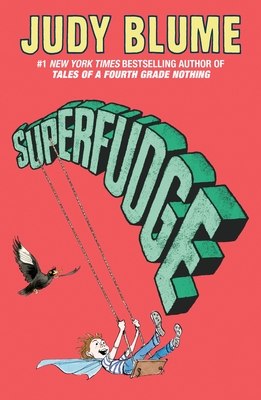
The introduction of the new baby sister, Tamara Roxanne (affectionately or exasperatedly dubbed “Tootsie”), sends Fudge into a tailspin of extreme jealousy. Moving from the only home they have ever known into a new neighborhood brings a cascading chain of classic, laugh-out-loud disasters. From Fudge trying to sell the new infant to a neighbor for a handful of pocket change to his sudden, stubborn declaration that he is actually a bird who will only consume seeds, the domestic chaos never stops.
Peter is forced to navigate the treacherous waters of a new school, the challenge of making new friends like the adventurous Alex Santo, and the absolute embarrassment of his brother’s public meltdowns. When Fudge enters kindergarten and physically kicks his new teacher because she refuses to call him by his absurd nickname, Peter finds himself acting less like a detached older brother and more like an emergency first responder in the unending storm of the Hatcher household.
The “Real Talk”: Honest Critical Review
Let’s be completely honest: writing a sequel to an era-defining book like Tales of a Fourth Grade Nothing is a terrifying literary tightrope walk. Yet, Judy Blume does not just match the energy of the original; she surpasses it. Her prose is exceptionally crisp, unpretentious, and completely devoid of the patronizing, overly sentimental tone that plagues so much of modern middle-grade literature.
The pacing of this novel is an absolute masterclass. Blume structure the chapters like a series of interconnected, highly energetic vignettes that mirror the unpredictable, episodic nature of real childhood. One moment you are chuckling at the sheer absurdity of Fudge’s dynamic with his newly acquired, highly articulate pet parrot, Uncle Feather, and the next, your throat tightens as Peter deals with the very real, terrifying isolation of feeling invisible within his own changing family structure.
What gives this book its incredible longevity is its uncompromising emotional resonance. Blume respects her young audience enough to show that family life is often messy, frustrating, and deeply unfair. The dialogue feels so authentic that you can practically hear the slammed doors, the exasperated sighs of the parents, and the unfiltered, hilarious logic of a five-year-old trying to process a world that is moving far too fast for him.
Vibe Check
- Hysterically Chaotic: Fueled by toddler tantrums and uncontained public embarrassments.
- Deeply Relatable: Perfectly bottles the bittersweet essence of growing up as an older sibling.
- Comfortingly Warm: Beneath the domestic disasters lies a rock-solid foundation of familial love.
- Nostalgic: A beautiful, tactile window into classic childhood freedoms and small-town exploration.
Character Deep-Dive: Growth, Flaws, and Fierce Loyalties
The true brilliance of Blume’s characterization lies in her refusal to make any character perfect. Everyone in the Hatcher orbit is allowed to have distinct flaws, which ironically makes them deeply endearing to the reader.
Peter Hatcher is our stoic, long-suffering anchor. At twelve years old, Peter is standing on the precipice of adolescence. His growth throughout the novel is subtle yet profound. He begins the book wrapped in a protective shell of pre-teen resentment, deeply resistant to the move and the new baby. However, as he faces the challenges of adjusting to Princeton, we see his emotional resilience expand. He transitions from a boy who merely tolerates his family to a deeply protective older brother who steps up when his siblings genuinely need him.
Farley Drexel “Fudge” Hatcher is a literal force of nature wrapped in a kindergarten tie-dye shirt. In this installment, Fudge is grappling with a massive psychological shift: he is no longer the pampered baby of the family; he is now the complicated middle child. His acting-out behavior—whether it is hiding the baby or throwing tantrums at school—is portrayed not out of malice, but out of a deep, vulnerable desire to ensure he isn’t forgotten. His flaws are loud and exhausting, but his unyielding imagination and fierce devotion to Peter make it impossible to dislike him.
The supporting cast is equally magnificent. The Hatcher parents are beautifully humanized as tired individuals trying their absolute best to balance professional aspirations with the relentless demands of three children. New characters like Alex Santo and the fiercely independent neighbor Sheila Tubman provide the perfect social landscape for Peter to test his independence and discover who he is away from the crowded dinner table.
Thematic Analysis: Beneath the Worms and Temper Tantrums
While surface-level readers might dismiss this book as a simple, lighthearted children’s comedy, Blume weaves several complex, sophisticated themes directly into the narrative fabric.
The central thematic pillar is the psychological reality of The Middle Child Transition. Fudge’s erratic, attention-seeking behavior is a textbook manifestation of identity crisis. Blume masterfully illustrates how a young child uses radical imagination—like pretending to be a bird or adopting a talking parrot—to reassert control over an environment where they feel increasingly marginalized by the arrival of a new, low-maintenance infant sister.
Furthermore, the book serves as a poignant commentary on The Illusion of Geographic Solutions. The Hatcher parents believe that escaping the high-stress environment of New York City for the picturesque, academic sanctuary of Princeton will magically streamline their domestic life. Instead, Blume demonstrates that family dynamics, personal anxieties, and sibling rivalries travel with you, completely independent of your zip code. True peace isn’t found by changing your surroundings; it’s earned by communicating through the chaos.
Reader Reactions: What the Community Is Saying
Across literary communities like Goodreads and the nostalgic corners of BookTok, the modern consensus on this book is overwhelmingly affectionate. Millennial and Gen-Z parents who are introducing the book to their own children frequently note that the humor holds up incredibly well, proving that sibling rivalry is a universal human constant.
Many contemporary reviewers highlight how refreshing it is to read a book where children are allowed to roam their neighborhoods on bicycles, explore local woods, and experience a level of unstructured independence that feels increasingly rare in today’s highly digital world. While a tiny minority of modern readers find the parents’ disciplinary style a bit too hands-off by today’s standards, the overwhelming majority praise the book for its raw honesty, laugh-out-loud scenarios, and unparalleled emotional authenticity.
Frequently Asked Questions (FAQs)
Is Superfudge a standalone novel?
No, it is the third book in Judy Blume’s famous Fudge Series. While it can absolutely be enjoyed on its own thanks to Blume’s smooth exposition, reading Tales of a Fourth Grade Nothing first provides a much richer understanding of the brothers’ historical dynamic.
What is the target age group for this book?
It is perfectly optimized for middle-grade readers aged 8 to 12 (grades 3 through 7). However, its timeless humor makes it an exceptional choice for family read-aloud sessions with younger children as well.
Does the book have a happy and satisfying conclusion?
Yes, absolutely. Without revealing any major late-game twists, the novel wraps up with a warm, comforting resolution that sees the Hatcher family making a definitive decision about their future, grounded in mutual respect and a hilarious milestone from baby Tootsie.
Are there any sensitive or inappropriate themes?
The book is exceptionally wholesome and completely safe for young readers. It deals with standard childhood milestones like school changes, sibling jealousy, and a very brief, innocent discussion regarding the reality of Santa Claus, which parents of very young children might want to navigate beforehand.
Where to Buy
Ready to add this timeless piece of children’s literature to your collection? Use our verified, safe links below to find the best editions available across the web: