
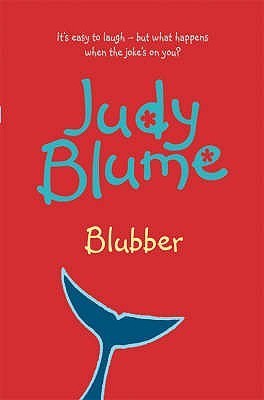
The Verdict
Must-Read. Judy Blume’s Blubber remains an unsparing, timeless, and essential masterpiece of realistic middle-grade fiction. By refusing to sanitize the cruel realities of schoolyard bullying, Blume delivers an emotionally resonant narrative that forces readers to confront their own complicity in social dynamics. It is a brilliant, uncomfortable triumph.
Book Specifications & Quick Comparison
Before diving into our analysis, let us look at how this title stands structurally in the landscape of realistic middle-grade fiction. Rather than relying on top-heavy data boxes, we evaluate its reading friction and core placement metrics below.
This work features an accessible Lexile framework suited for upper elementary and middle school students. However, its psychological weight demands significant emotional maturity from its audience.
| Title | Genre | Difficulty Level | Final Score |
|---|---|---|---|
| Blubber by Judy Blume | Realistic Fiction / Middle Grade | Moderate (Emotional Weight) | 9.6 / 10 |
| Tales of a Fourth Grade Nothing | Humorous Contemporary | Easy / Low Friction | 9.0 / 10 |
| Deenie | Adolescent Drama | Moderate (Themes) | 8.8 / 10 |
Plot Summary
Set within the deceptively ordinary confines of a suburban fifth-grade classroom, the story unfolds through the eyes of Jill Brenner. Jill is not a heroic outcast, nor is she the cruel mastermind of the school. She is a typical follower, an ordinary kid who thrives on staying within the safe boundaries of the dominant social clique.
The status quo shifts dramatically when Linda Fischer, an overweight classmate, gives a classroom presentation on whales. During the report, Linda mentions “blubber”—the thick layer of fat that insulates marine mammals. Seizing on this technical detail, the class queen bee, Wendy, spearheads a ruthless, systematic campaign of psychological terrorism against Linda, branding her with the permanent nickname “Blubber.”
What follows is a terrifyingly accurate depiction of group dynamics. Jill and her best friend, Tracy Wu, actively join in the torment. They participate in mock trials, restroom ambushes, and targeted social exclusion. The classroom teacher remains blissfully oblivious, while the children police their own cruel hierarchy. However, the fragile nature of schoolyard alliances becomes apparent when a shift in power dynamics places Jill directly in the crosshairs of the very machinery she helped build.
The “Real Talk”: Critical Opinion
What makes this work an enduring masterpiece is Judy Blume’s uncompromising refusal to moralize. In lesser hands, a story about bullying becomes a pedantic after-school special where the bully learns a neat lesson, apologizes, and everyone holds hands. Blume rejects this artificial structure entirely. The prose is sharp, conversational, and direct, capturing the exact cadence of fifth graders when adults are not listening.
The pacing is exceptionally tight, moving with a subtle, mounting dread as the minor teasing escalates into systemic cruelty. Emotionally, the book acts as a mirror rather than a lecture. It forces the reader to sit with the discomfort of rooting for a narrator who is actively doing terrible things to another human being just to protect her own social standing.
Vibe Check
- Unflinching: It does not look away from raw childhood malice.
- Claustrophobic: Captures the intense pressure of classroom pack mentalities.
- Authentic: Free of adult condescension or forced moralizing frameworks.
- Insightful: A brilliant psychological study of group compliance.
Character Deep-Dive
The characterization in this novel is exceptionally sophisticated, avoiding flat archetypes in favor of complex, flawed human behavior.
Jill Brenner: Jill is a fascinating protagonist because she lacks the moral courage we expect from traditional heroes. Her growth is slow, painful, and realistic. She participates in the abuse of Linda not out of deep-seated hatred, but out of a desperate need to belong and a genuine amusement at the cleverness of the cruelty. Her eventual shift in perspective is driven by self-preservation rather than a sudden epiphany of empathy, making her arc incredibly authentic.
Wendy: The undisputed tyrant of the fifth grade. Wendy is chilling because her power relies entirely on manipulation, charisma, and the silent compliance of the bystanders. She understands social mechanics perfectly, knowing exactly when to reward loyalty and when to destroy a threat.
Linda Fischer (“Blubber”): Linda is depicted with painful accuracy as a tragic victim who often makes decisions that frustrate the reader. She attempts to placate her tormentors, sometimes acting submissively or agreeing to terrible compromises just to have a partner on a field trip. Blume brilliantly avoids making Linda a perfect, saintly victim, showing how prolonged isolation crushes an individual’s dignity.
Thematic Analysis
At its core, the text is an architectural breakdown of bystander complicity and the banality of childhood evil. The central metaphor of the “flenser”—a tool used to strip fat from a whale, which Jill ironically chooses as a Halloween costume concept—serves as a grim commentary on how groups systematically strip away an individual’s humanity.
Blume also uses the narrative to dissect institutional failure. The educators in the story are either completely detached or easily manipulated by performative compliance. This highlights a profound social truth: the most dangerous spaces for children are often those overseen by adults who confuse quiet classrooms with safe classrooms.
Reader Reactions & Cultural Impact
Decades after its initial publication, this title continues to ignite fierce debates across literary spaces, BookTok, and Goodreads. Modern readers frequently comment on how shockingly contemporary the social dynamics feel, noting that the physical bullying of the 1970s mirrors the exact psychological mechanics of modern cyberbullying.
“Reading this as an adult made my stomach turn because it is so devastatingly accurate. Blume understands that kids can be absolute monsters, and she doesn’t wrap it up in a neat little bow.” — Modern Goodreads Reviewer
While some vintage reviews criticized the book for its coarse language and lack of explicit retribution for the bullies, contemporary educational analysts praise it as an incomparable tool for initiating authentic classroom dialogues on empathy and peer pressure.
Frequently Asked Questions (FAQ)
Is this book part of a series or a standalone novel?
This work is a completely self-contained standalone novel that focuses specifically on the social environment of Jill Brenner’s fifth-grade class.
Does the story feature a conventional happy ending?
No. Blume explicitly avoids a tidy, cheerful resolution. While the social landscape shifts and alliances break apart, there is no grand apology or perfect restoration of justice, reflecting the messy reality of real-life school dynamics.
What age group is this book best suited for?
It is highly recommended for readers aged 9 to 13 (grades 4 through 7), though adult readers will find immense depth in its sociological observations.
Why has this specific book been banned or challenged historically?
The book has frequently been challenged due to its candid use of street slang, realistic depictions of minor mischief, and the fact that the children do not face explicit, severe adult punishment for their cruel behavior at the end.
Where to Buy
To secure your copy of this timeless exploration of adolescent realism, explore the verified retail and community platforms below: