
Introduction
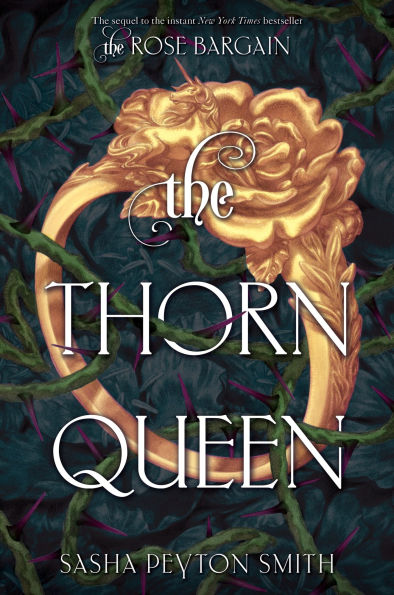
The Thorn Queen by Sasha Peyton Smith is the spellbinding sequel to the New York Times bestseller The Rose Bargain. In this Victorian-inspired romantasy, Sasha Peyton Smith expands her lush, dangerous world where fae and humans collide. Picking up immediately after the dramatic events of the first book, The Thorn Queen follows Ivy Benton, now crowned Queen of England, as she navigates a treacherous marriage to the fae King Bram while her heart — and her loyalties — remain with his brother, Emmett. With comparisons to Bridgerton, The Cruel Prince, and The Selection, The Thorn Queen by Sasha Peyton Smith delivers court intrigue, forbidden romance, and the high-stakes games of the fae. This review explores every facet of the novel, from its intricate plot to its deeper meanings, ensuring fans of Sasha Peyton Smith get the ultimate guide to this highly anticipated 2026 release.
Plot Summary
The Thorn Queen by Sasha Peyton Smith opens with Ivy Benton sitting on the throne of England, but her crown is gilded with thorns. Having won the deadly fae competition — and the hand of King Bram — Ivy is now queen in a world irrevocably changed. Bram’s ascension has torn down the ancient barrier that kept the fae (the “Others”) separated from humanity. Now, the fae roam freely through Victorian England, indulging in wicked revelry and treating mortals as playthings. Ivy must play the role of the devoted wife, smiling beside a husband she grows to distrust, all while secretly plotting to reclaim her sister Lydia and reunite with Emmett, the brother she truly loves.
Meanwhile, Emmett and Lydia are trapped in the Otherworld, a realm where fae games are far deadlier than any Ivy faced in the human court. Lydia, still reeling from her own bargains, discovers that the Otherworld holds secrets about her lineage and the true cost of fae magic. Emmett, torn between his brother and his love for Ivy, fights to survive the shifting allegiances of the fae nobility. Back in London, Ivy discovers that Bram’s rule is not absolute; a resistance movement is forming among both humans and lower fae who suffer under the new order. Ivy must decide how far she will go to dethrone her husband — and whether she can trust the shadowy figures offering to help her.
The narrative of The Thorn Queen by Sasha Peyton Smith weaves between Ivy’s double life in the palace and Emmett’s desperate struggle in the Otherworld. As Ivy plays the long game — charming courtiers, forging secret alliances, and hiding her love for Emmett — she learns that Bram’s motives are more complex than simple cruelty. A deeper, older magic threatens both worlds, and Ivy’s quest for freedom becomes entwined with the fate of the fae themselves. The novel builds to a stunning climax where bargains are broken, loyalties are tested, and the title of “Thorn Queen” takes on a meaning far more powerful — and perilous — than Ivy ever imagined.
Character Analysis
- Ivy Benton: The protagonist and new Queen of England. Ivy evolves from a bargainer into a cunning strategist. In The Thorn Queen, she masters the art of wearing a mask — appearing submissive while secretly plotting to save her sister and reunite with Emmett. Her resilience defines the novel.
- King Bram: The fae King and Ivy’s husband. Bram is not a one‑dimensional villain; Sasha Peyton Smith crafts him as a ruler burdened by the unleashed fae. His obsession with Ivy wars with his political necessities, making him a tragic and unpredictable force.
- Emmett: Bram’s brother and Ivy’s true love. Trapped in the Otherworld, Emmett’s chapters reveal the brutal hierarchy of fae society. His devotion to Ivy remains unwavering, and he becomes a rallying point for fae who oppose Bram’s excesses.
- Lydia: Ivy’s sister. Lydia’s time in the Otherworld exposes her to fae magic’s intoxicating danger. She grows from a victim into a character with her own agency, uncovering secrets that could shift the balance of power.
- The Morrigan (cameo/implied): A ancient fae entity pulling strings from the shadows. She represents the old magic that predates the fae courts and serves as a symbol of the untamed, wild nature the Others have lost.
- Lady Whitethorn: A high‑ranking fae noble who becomes Ivy’s unlikely ally — or manipulator. Her motives are slippery, embodying the theme that in fae society, every alliance is a bargain.
- Finch (the half‑fae rebel): A new character who leads a human‑fae underground movement. Finch challenges Ivy’s assumptions about loyalty and forces her to confront the collateral damage of Bram’s reign.
Thematic Analysis
The Thorn Queen by Sasha Peyton Smith is rich with layered meanings beneath its romantasy surface. One dominant theme is the cost of power. Ivy’s crown is literally and metaphorically thorny: to rule, she must sacrifice pieces of herself — her honesty, her safety, and her proximity to love. The novel asks whether it’s possible to wield power without becoming complicit in the systems you despise. Bram’s unleashing of the fae serves as an allegory for unchecked colonialism; the “Others” treat the human world as a playground, mirroring historical exploitation. Sasha Peyton Smith also explores duality and masks. Ivy’s entire existence becomes a performance — a sweet wife by day, a rebel by night. This reflects the broader fae lore of glamour and deception, suggesting that survival often requires hiding one’s true self. Finally, sisterhood and choice anchor the emotional core. Ivy’s driving motivation is to save Lydia, but Lydia’s own choices complicate that mission. The narrative argues that love cannot erase individual autonomy; sometimes, protecting someone means letting them make their own dangerous bargains.
Reader Reactions & Cultural Impact
Even before its April 2026 release, The Thorn Queen by Sasha Peyton Smith has ignited massive buzz across BookTok, Bookstagram, and Goodreads. Fans of the first book, The Rose Bargain, have been counting down the days, and early arcs (advanced reader copies) are spawning viral theories about Ivy’s ultimate fate. The hashtag #ThornQueen already boasts millions of views, with readers creating mood boards inspired by the Victorian‑fae aesthetic. Why do people love it? The book delivers on the promise of a love triangle that actually hurts — Ivy’s torn loyalties feel earned, not manufactured. The fae politics are being praised as more intricate than in many adult fantasies, while the prose retains the YA accessibility Sasha Peyton Smith is known for. Social media reactions particularly highlight the “Otherworld” chapters; readers describe the fae realm as terrifyingly beautiful, a place where beauty masks brutality. The novel’s themes of performative obedience and hidden resistance have also struck a chord, with many drawing parallels to contemporary discussions about autonomy and power. In short, The Thorn Queen is poised to be one of the biggest YA fantasy events of 2026, cementing Sasha Peyton Smith as a leading voice in modern romantasy.
About the Author: Sasha Peyton Smith
Sasha Peyton Smith is a New York Times bestselling author known for her immersive historical fantasy novels. She grew up in the mountains of Utah surrounded by books and one very old cat, later studying biology and public health at the University of Utah and George Washington University. Her debut duology, The Witch Haven and The Witch Hunt, introduced readers to her signature blend of magic, feminist history, and complicated girls. With The Rose Bargain and its sequel The Thorn Queen, Sasha Peyton Smith has moved into the romantasy space, earning praise from authors like Stephanie Garber and Chloe Gong. She is known for her passion for soup recipes, road trip playlists, and collecting porcelain hands. She currently lives in a century‑old house in the mountains of Utah with her husband, her dog, and — allegedly — two ghosts (though she has yet to see them). Her work has been translated into more than a dozen languages worldwide [citation:2][citation:5][citation:6].