
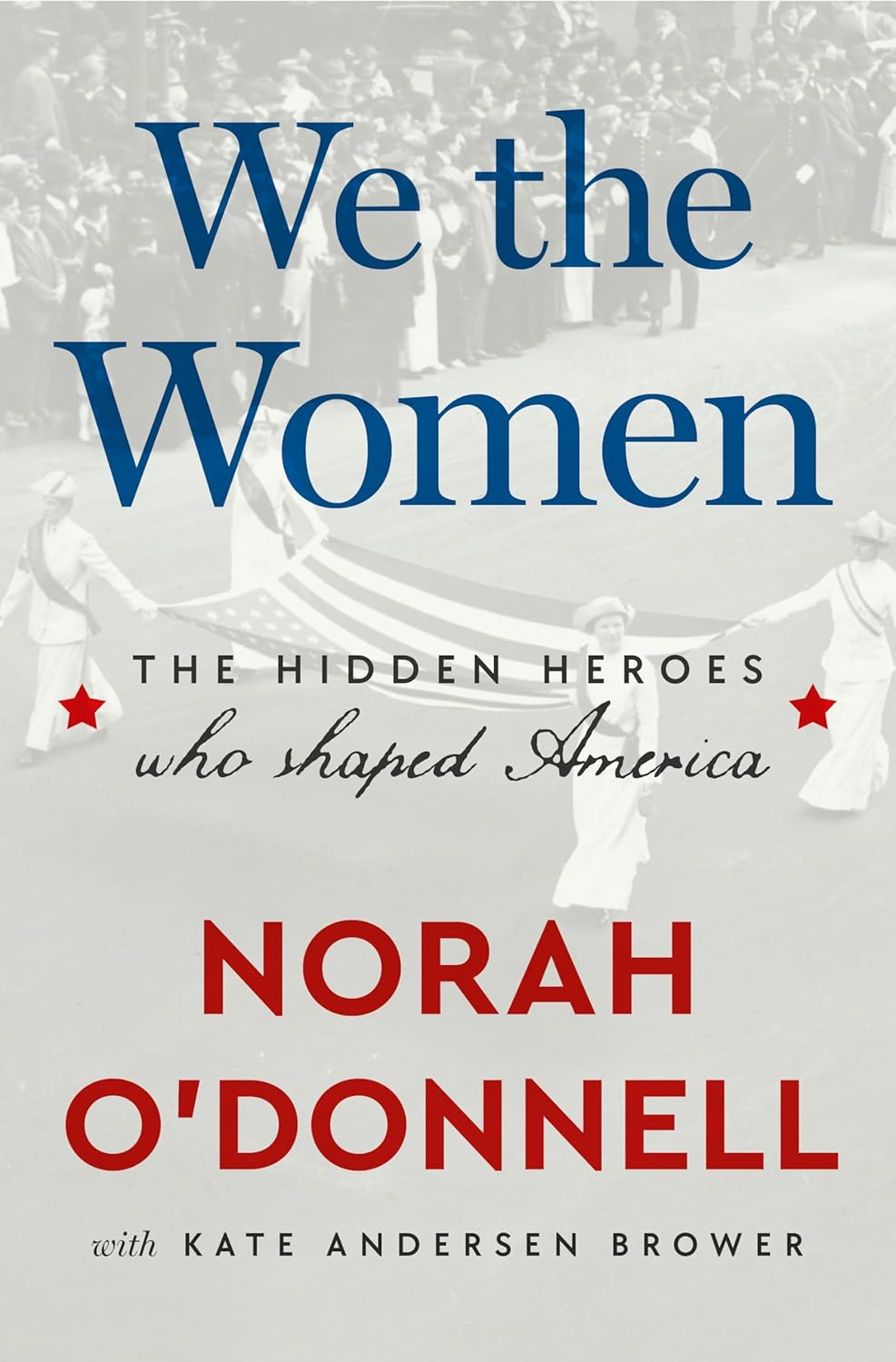
In a period of renewed focus on constitutional rights, Norah O’Donnell delivers a powerful and timely narrative with We the Women. As an Emmy Award-winning journalist, O’Donnell brings her investigative prowess to the century-long struggle for the Equal Rights Amendment (ERA). This isn’t just a history book; it’s a vibrant, urgent testament to the women who refused to accept “no” as an answer from the American legal system.
Book Comparison at a Glance
| Book Title | Genre | Target Audience | Rating |
|---|---|---|---|
| We the Women | Non-Fiction / History | Students of History & Activists | 4.8/5 |
Detailed Summary
We the Women meticulously tracks the evolution of the Equal Rights Amendment from its inception in the 1920s through the turbulent 1970s and up to the present day. O’Donnell focuses on the “unstoppable mothers” of the movement—women from diverse backgrounds who recognized that without a constitutional guarantee, gender equality remains precarious.
The book details the legislative battles, the grassroots organizing, and the cultural shifts that both propelled and hindered the ERA’s progress. It highlights the often-overlooked stories of women of color and working-class women who were instrumental in the fight, providing a more inclusive perspective than many previous accounts of the movement. O’Donnell connects these historical events to current legal challenges, making the case that the ERA is more relevant today than ever before.
The “Real Talk”
What sets this book apart is O’Donnell’s journalistic “voice.” She avoids the dry, academic tone that often plagues historical non-fiction. Instead, she utilizes primary sources, interviews, and vivid storytelling to make the legal battles feel personal. If there is a critique, it’s that the book is unapologetically partisan in its support for the ERA; readers looking for a neutral debate on the amendment’s legal pros and cons may find it one-sided. However, as a tribute to activism, it is unparalleled in its clarity and passion.
Key Figures & Trailblazers
Alice Paul: The original architect of the ERA, whose early 20th-century radicalism set the stage for everything that followed.
Shirley Chisholm: The book highlights her crucial role in bridging the gap between civil rights and women’s rights, showing how the ERA was a multi-faceted struggle.
The Modern Activists: O’Donnell bridges the gap by featuring contemporary figures who are carrying the torch in the 21st century, ensuring the story feels lived-in and ongoing.
Vibe Check
- Empowering: Leaves the reader feeling motivated to engage in civic life.
- Informative: Packed with legal and historical facts without being overwhelming.
- Intersectional: Makes a concerted effort to represent diverse voices.
- Urgent: Connects historical struggles directly to modern-day politics.
Thematic Analysis
The core theme of We the Women is the persistence of democratic change. It explores how systemic change is rarely a straight line but rather a series of waves. Another major theme is the power of storytelling; O’Donnell argues that by reclaiming the names of the women who fought for our rights, we empower future generations. Finally, it examines the tension between legal status and cultural reality, questioning if a law on paper is enough to change the hearts of a nation.
Reader Reactions
Early reviews have praised O’Donnell for her accessibility. Book clubs focusing on social justice have made it a top pick for 2024. On social media, the hashtag #WeTheWomen has become a rallying point for readers sharing their own family histories of activism. While some conservative critics have questioned the legal interpretations regarding the ERA’s ratification deadline, the general consensus is that it is an essential read for understanding American history.
About Norah O’Donnell
Norah O’Donnell is the anchor and managing editor of the CBS Evening News. With decades of experience in Washington D.C., she has a unique vantage point on the intersection of law and culture. Her reporting has consistently focused on issues affecting women and families, and this book serves as a culmination of her interest in the history of American democracy.
Frequently Asked Questions
No, it is written for a general audience. While factually dense, it reads more like a narrative or a long-form journalistic feature.
Yes, the book includes recent developments, including Virginia’s role as the 38th state to ratify and the subsequent legal complications.
Absolutely. Its empowering message and clear writing style make it an excellent resource for high school students interested in law or history.