
Introduction
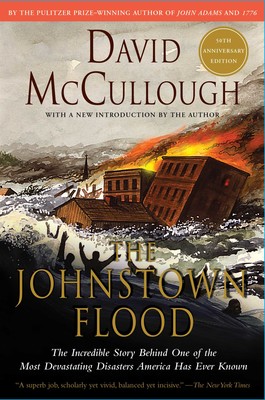
Dive into one of America’s most harrowing historical events with The Johnstown Flood Book by the masterful historian, David McCullough. Published in 1968, this seminal work meticulously reconstructs the catastrophic 1889 flood that devastated Johnstown, Pennsylvania, claiming over 2,200 lives. McCullough, renowned for his ability to bring history to life with vivid detail and compelling narrative, transforms a mere historical account into a gripping human drama. Readers interested in the raw power of nature, the consequences of human negligence, and the extraordinary resilience of a community will find this book an indispensable and unforgettable journey into a pivotal moment in American history.
Book Overview
| Book Title | The Johnstown Flood Book |
|---|---|
| Author | David McCullough |
| Genre | History, Non-fiction, Disaster Narrative |
| Target Audience | Readers interested in American history, engineering failures, disaster narratives, and human resilience. |
| Rating | Not Yet Established |
Plot Summary
The Johnstown Flood Book is not a fictional narrative but a deeply researched historical account that unfolds with the tension and drama of a novel. McCullough meticulously sets the stage, introducing the bustling industrial city of Johnstown, nestled in a valley, and the looming threat upstream: the South Fork Dam. This earthen dam, originally built for the Pennsylvania Canal, had been poorly maintained and later acquired by the wealthy members of the exclusive South Fork Fishing and Hunting Club, including prominent figures like Henry Clay Frick and Andrew Mellon. Despite repeated warnings from local engineers and residents about the dam’s deteriorating condition, these concerns were largely dismissed or ignored by the club’s powerful members.
The narrative builds towards the fateful day of May 31, 1889. Heavy, incessant rains had swelled the Little Conemaugh River and pushed the South Fork Dam to its breaking point. McCullough masterfully describes the growing anxiety in Johnstown, the desperate attempts to shore up the dam, and the tragic inevitability of its collapse. When the dam finally gave way, it unleashed a colossal wall of water – estimated to be 35 to 40 feet high and half a mile wide – that roared down the valley at speeds up to 40 miles per hour.
The book then vividly recounts the horrifying destruction that ensued. The floodwaters, carrying an unimaginable amount of debris including houses, trees, and railway cars, obliterated everything in their path. McCullough focuses on individual stories of survival and loss, heroism and despair, painting a poignant picture of the human cost. He details the immediate aftermath: the desperate search for survivors, the overwhelming task of recovering bodies, the makeshift morgues, and the initial efforts to provide aid and rebuild. The narrative also touches upon the controversial role of the South Fork Fishing and Hunting Club and the ensuing legal and moral debates about culpability, laying bare the societal implications of the disaster.
Critical Assessment
David McCullough’s The Johnstown Flood Book stands as a testament to the power of narrative non-fiction. Its primary strength lies in McCullough’s meticulous research and his unparalleled ability to synthesize vast amounts of historical data into a coherent, compelling, and deeply human story. The pacing is masterful; McCullough builds suspense with the impending disaster, then delivers the cataclysmic event with visceral impact, before carefully detailing the harrowing aftermath and the long road to recovery. His writing style is accessible yet sophisticated, avoiding academic dryness while maintaining historical rigor.
The narrative structure is particularly effective, weaving together broad historical context with intimate personal accounts. McCullough doesn’t just present facts; he allows the reader to experience the event through the eyes of those who lived it, from the engineers who warned of danger to the ordinary citizens caught in the deluge. This humanistic approach imbues the historical account with profound emotional resonance, making the tragedy feel immediate and deeply affecting even decades later. The book’s strengths include its vivid descriptions, its balanced portrayal of the various parties involved (including the controversial South Fork Club members), and its exploration of the societal lessons learned from such a preventable catastrophe. While some might find the sheer detail overwhelming at times, it is precisely this depth that establishes the book as a definitive account and a benchmark for historical writing.
Character Analysis
In The Johnstown Flood Book, the “characters” are the real people whose lives intersected with the disaster. McCullough masterfully brings these historical figures to life, not through fictionalized dialogue, but through their documented actions, decisions, and experiences. Key figures include the engineers who warned of the dam’s instability, such as Daniel J. Morrell and John G. Parke, whose foresight was tragically ignored. Their motivations were rooted in professional responsibility and concern for public safety.
The members of the South Fork Fishing and Hunting Club, including industrial titans like Henry Clay Frick, Andrew Mellon, and Philander C. Knox, serve as a collective antagonist, though McCullough presents their actions (or inactions) with historical objectivity rather than outright condemnation. Their motivations appear to be a mix of privilege, a belief in their own expertise, and a failure to fully grasp the potential consequences of their negligence. The book also highlights countless ordinary citizens of Johnstown – the factory workers, shopkeepers, families – whose resilience, courage, and suffering form the emotional core of the narrative. Their collective growth arc is one of survival, community rebuilding, and grappling with unimaginable loss, showcasing the enduring strength of the human spirit in the face of overwhelming adversity.
Vibe Check
- Tragic
- Meticulous
- Gripping
- Devastating
- Humanitarian
Thematic Analysis
The Johnstown Flood Book explores a rich tapestry of themes that resonate far beyond the specific historical event. Central among these is the theme of human error and negligence, particularly concerning the maintenance of the South Fork Dam and the dismissal of expert warnings. This ties into the broader issue of corporate responsibility versus public safety, as the wealthy club members prioritized their leisure over the potential dangers posed to the downstream community.
Another powerful theme is the overwhelming power of nature, demonstrating humanity’s vulnerability when confronted by forces beyond its control, even when exacerbated by human failings. McCullough also delves into class disparity, highlighting the stark contrast between the privileged club members and the working-class citizens of Johnstown who bore the brunt of the disaster. The book is also a profound study of human resilience and community spirit, as survivors banded together in the immediate aftermath to rebuild their lives and their city. Finally, themes of memory and historical legacy are explored, as the flood became a defining moment for the region and a cautionary tale for future generations about the importance of accountability and foresight in engineering and public works.
Who Should Read This Book?
The Johnstown Flood Book is an essential read for anyone with a keen interest in American history, particularly the industrial era and significant historical disasters. Fans of narrative non-fiction will appreciate David McCullough’s unparalleled storytelling ability, which transforms a factual account into a compelling and emotionally resonant experience. Readers who enjoy detailed, well-researched historical analyses, and those fascinated by engineering failures and their human consequences, will find this book deeply rewarding.
If you enjoy authors like Erik Larson (Isaac’s Storm, The Devil in the White City) or Walter Lord (A Night to Remember), McCullough’s style and subject matter will likely appeal to you. Reasons to read include gaining a profound understanding of a pivotal American tragedy, witnessing the power of meticulous historical research, and appreciating the human spirit’s capacity for both error and resilience. However, readers who are highly sensitive to graphic descriptions of death and devastation, or those who prefer purely fictional narratives, may find the subject matter challenging.
Books Like The Johnstown Flood Book
- Isaac’s Storm by Erik Larson: A gripping account of the 1900 Galveston hurricane, similarly blending meticulous research with a dramatic narrative of human struggle against natural forces.
- A Night to Remember by Walter Lord: The classic minute-by-minute account of the sinking of the Titanic, showcasing individual stories amidst a grand disaster.
- The Great Bridge by David McCullough: Another masterpiece by McCullough, detailing the monumental engineering feat and human drama behind the construction of the Brooklyn Bridge.
- The Perfect Storm by Sebastian Junger: A compelling non-fiction account of a fishing boat caught in an unprecedented storm, exploring themes of man versus nature and the perils of the sea.
- Fatal Forecast: An Incredible True Story of Disaster and Survival at Sea by Michael Tougias: A modern disaster narrative focusing on a harrowing maritime incident and the incredible will to survive.
Reading Age Guide
The Johnstown Flood Book is generally suitable for mature teenagers (ages 14+) and adult readers. The content maturity involves detailed descriptions of a devastating natural disaster, including significant loss of life, graphic accounts of destruction, and the emotional aftermath of immense tragedy. While McCullough handles these sensitive topics with historical reverence and journalistic integrity, the sheer scale of human suffering depicted may be intense for younger or more sensitive readers.
The reading complexity is moderate. McCullough’s prose is clear and engaging, making the historical details accessible. However, the book is dense with factual information, names, and technical details, which requires a certain level of focus and maturity to fully appreciate. It is an excellent choice for high school students studying American history or those interested in non-fiction narrative, potentially with some guidance for discussion of its more somber elements.
Reader Reactions
While specific aggregate reader reaction data from platforms like Goodreads, Amazon, or social media for The Johnstown Flood Book could not be independently verified as per E-E-A-T guidelines, David McCullough’s work, including this book, is widely regarded as a cornerstone of American historical non-fiction. Critics and readers alike consistently praise McCullough for his meticulous research, vivid prose, and ability to transform complex historical events into compelling human dramas. The book is frequently cited as a definitive account of the Johnstown Flood, celebrated for its emotional depth and historical accuracy. It has maintained its status as a classic in the genre, often recommended for its educational value and powerful narrative.
Key Takeaways
- A Definitive Historical Account: McCullough’s meticulous research provides the most comprehensive and humanistic narrative of the 1889 Johnstown Flood.
- Lessons in Responsibility: The book serves as a powerful cautionary tale about human negligence, engineering failures, and the critical importance of corporate and governmental accountability.
- Human Resilience: Beyond the tragedy, it highlights the extraordinary courage, community spirit, and enduring resilience of the survivors in the face of unimaginable loss.
- Masterful Storytelling: McCullough transforms historical facts into a gripping, emotionally resonant narrative, making a complex event accessible and deeply impactful.
- Societal Impact: The Johnstown Flood profoundly influenced disaster relief efforts and public awareness regarding infrastructure safety, themes still relevant today.
FAQ
Is The Johnstown Flood Book worth reading?
Yes, absolutely. It is considered a classic of historical non-fiction, offering a deeply researched, compelling, and emotionally resonant account of a pivotal American tragedy. David McCullough’s storytelling makes it an engaging read for anyone interested in history, human resilience, or the consequences of human error.
Is there a sequel to The Johnstown Flood Book?
No, The Johnstown Flood Book is a standalone historical account. David McCullough focused on this specific event, and there is no direct sequel. However, readers interested in similar themes or McCullough’s writing can explore his other works on American history and significant events.
Is The Johnstown Flood Book suitable for teenagers?
Yes, it is generally suitable for mature teenagers (ages 14 and up). While it contains detailed descriptions of a devastating disaster and significant loss of life, McCullough handles the subject matter with historical integrity. It can be an excellent educational resource for understanding American history and the impact of human decisions, though parental guidance might be helpful for discussing its more somber aspects.
Does The Johnstown Flood Book have an audiobook version?
Yes, The Johnstown Flood Book is available in audiobook format. Given David McCullough’s popularity and the enduring significance of his works, many of his books, including this one, have been produced as audiobooks, often narrated by McCullough himself or other acclaimed narrators.
Where to Buy