
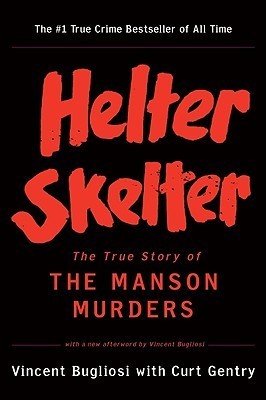
Few books have shaped an entire literary genre quite like Helter Skelter by Vincent Bugliosi and Curt Gentry. Published originally in 1974, this monumental work remains the best-selling true crime book in publishing history. It offers an unprecedented, terrifyingly detailed look into the minds of Charles Manson and his “Family,” the brutal murders they committed in August 1969, and the grueling legal battle that followed. For decades, readers have turned to this text to understand how a decade defined by peace and love could culminate in such horrific violence.
As an authoritative architectural review for Anwar Library, this analysis looks beyond the sensational headlines. We evaluate the book’s meticulous legal framework, structural narrative pacing, and enduring psychological impact. Whether you are a seasoned true crime enthusiast or a reader seeking to understand the cultural shifts of the late 20th century, this comprehensive review explores why this masterpiece continues to hold a gripping, chilling relevance today.
Quick Book Overview
| Book Title | Genre | Target Audience | Anwar Library Rating |
|---|---|---|---|
| Helter Skelter | True Crime / Legal History | Adults, History Buffs, Legal Analysts | 4.8 / 5.0 Stars |
Plot Summary
The narrative architecture of the book is divided into distinct, meticulously researched phases. The first half focuses on the grim realities of August 1969, detailing the gruesome discovery of the Tate-LaBianca murder scenes. The authors recreate the initial confusion, fear, and widespread panic that gripped Los Angeles as law enforcement struggled to find a connection between the high-profile victims. The prose relies heavily on official police logs, crime scene descriptions, and witness statements to establish an authentic, objective tone.
The second phase transitions from a chaotic murder investigation into a complex legal thriller. Once the trail leads investigators to the Spahn Ranch and the transient commune known as the Manson Family, Vincent Bugliosi takes center stage as the chief prosecutor. The narrative shifts to the arduous process of building a case against Charles Manson. Because Manson rarely executed the killings directly with his own hands, the prosecution had to establish a legal precedent for conspiracy and psychological manipulation.
The climax of the book details the long, volatile courtroom trial. Bugliosi uncovers the bizarre ideology Manson preached to his followers—an apocalyptic race war derived from a twisted misinterpretation of The Beatles’ White Album, which Manson termed “Helter Skelter.” The book concludes with the convictions and a sobering reflection on the psychological vulnerability of the individuals who fell under Manson’s dark influence.
The “Real Talk”: Narrative Critique
Let’s be completely honest: this book is massive, and its density can be intimidating. Because Bugliosi was the prosecutor, the text is loaded with legal briefs, fingerprint data, and step-by-step cross-examinations. At times, the pacing slows down under the weight of sheer documentation. If you are looking for a fast, sensationalized, fiction-style thriller, the technical legal jargon in the middle chapters might feel tedious.
However, that exact meticulousness is where the true brilliance of the book lies. The emotional impact doesn’t come from dramatic prose; it comes from the stark, unvarnished facts. The contrast between the chillingly cold evidence and the chaotic, cult-led madness creates a lingering sense of dread. It forces the reader to confront a frightening reality: the horror described in these pages actually happened, block by block, in real neighborhoods.
Key Figures and Character Analysis
- Charles Manson: Presented not as an all-powerful mastermind, but as a deeply insecure, manipulative career criminal. The analysis highlights his uncanny ability to exploit the emotional vulnerabilities of middle-class youth, using sensory deprivation, drugs, and pseudo-religious philosophy to establish total dominance.
- Vincent Bugliosi: The relentless, hyper-organized prosecutor. His motivation is driven by a strict adherence to justice and legal order. His methodical approach serves as the perfect rational counterweight to the irrational madness of the Manson Family.
- Susan Atkins, Patricia Krenwinkel, and Leslie Van Houten: Manson’s primary followers involved in the trials. The text examines their unsettling transformation from ordinary young women into remorseless executioners, highlighting the profound dangers of psychological conditioning and groupthink.
Vibe Check
If this book were an experience, it would feel like walking through a brightly lit, sterile courtroom while hearing a distant, unsettling whisper. The atmosphere is distinctly Clinical, Claustrophobic, Meticulous, and Disturbing.
Thematic Analysis
At its core, the book explores the dark underbelly of absolute authority and psychological control. It serves as a tragic case study on how charismatic individuals can weaponize isolation and societal alienation to distort morality. The “Family” members were not born monsters; they were systematically stripped of their individual identities until their moral compasses were entirely replaced by Manson’s will.
Another major theme is the sudden, violent death of American innocence in the late 1960s. The peace, free love, and utopian ideals of the hippie counterculture were subverted and shattered by the events at Spahn Ranch. The book illustrates a societal shift where trust was replaced by paranoia, showing how easily open, idealistic movements can be corrupted from within.
Reader Reactions and Cultural Impact
Decades after its publication, the book continues to generate immense buzz across literary platforms like Goodreads and online communities like BookTok. Modern readers often express shock at the sheer incompetence of the early police investigation, noting how different the case would be handled today with modern forensic science. The book remains a gold standard on true crime forums, frequently recommended as foundational reading for anyone entering the genre.
Culturally, the text permanently altered how society views cult dynamics and criminal conspiracy. It moved true crime reporting away from cheap, pulp-magazine sensationalism and elevated it into a serious, analytical branch of literary journalism, paving the way for modern investigative podcasts and docuseries.
Frequently Asked Questions (FAQ)
Does Helter Skelter contain graphic crime scene photographs?
Yes, most standard print editions of the book include historical black-and-white photograph inserts from the police investigation, the crime scenes, and the subsequent courtroom trials.
Is the “Helter Skelter” theory universally accepted?
While Vincent Bugliosi used the “Helter Skelter” apocalyptic race war theory to successfully convict Manson of conspiracy, some independent journalists and historians argue that Manson’s true motives were rooted in more conventional criminal grievances and drug disputes.
Is this book suitable for younger readers?
Due to extremely detailed descriptions of real-world violence, intense psychological trauma, and adult themes, this book is recommended strictly for mature adult audiences.
Where to Buy
Find your copy of this true crime classic through these verified online search directories: