
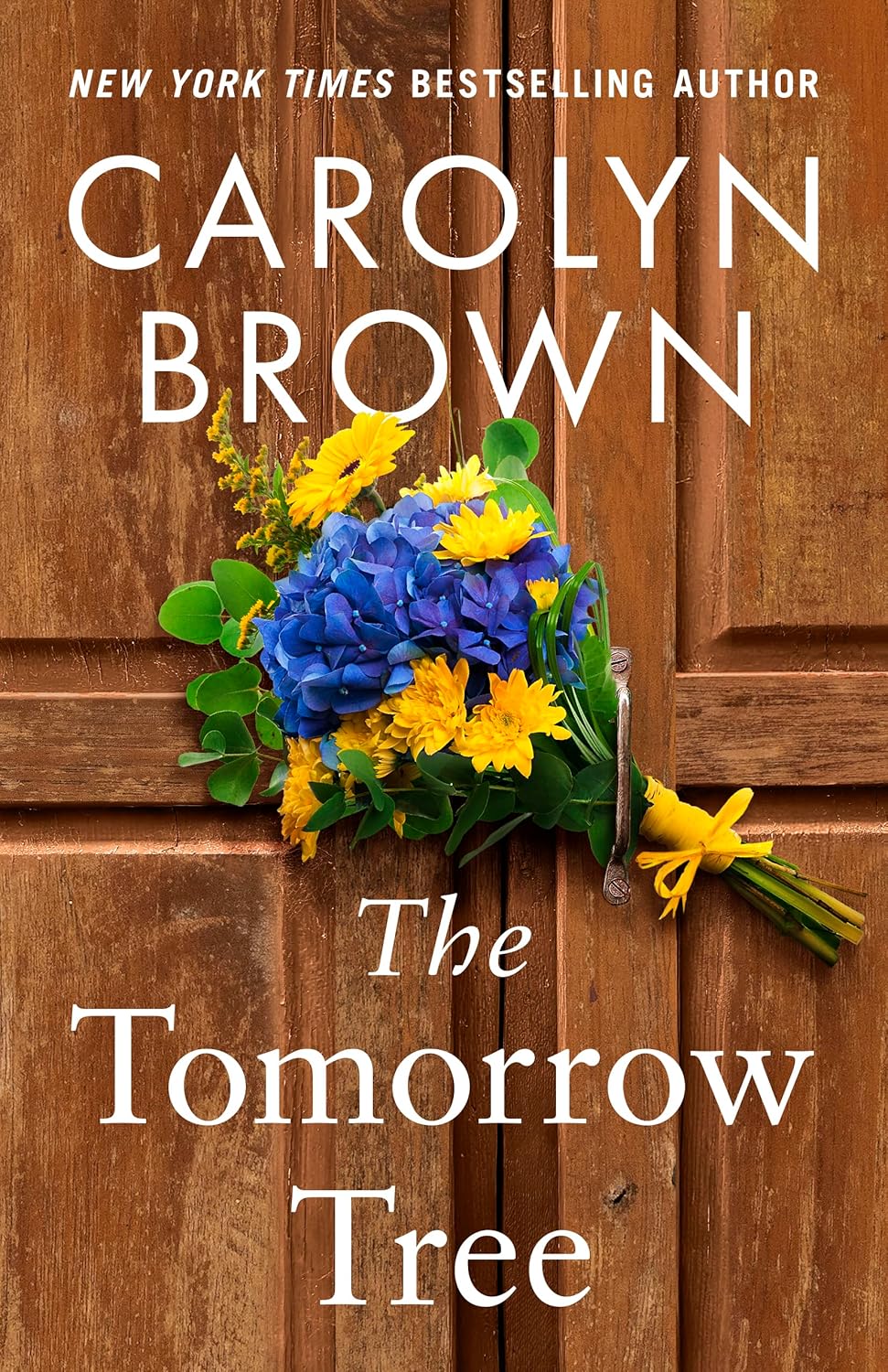
The Weight of Living Roots: Introduction
Human history is rarely written in textbooks; more often, it is buried in the soil of family estates and passed down through generations as unspoken burdens. In The Tomorrow Tree, acclaimed author Carolyn Brown steps away from traditional lighthearted romances to deliver a devastatingly beautiful, multi-layered family drama. Evoking the emotional depth of Kristin Hannah’s The Nightingale and the complex, secrets-laden domestic landscapes of Celeste Ng, this novel explores how the choices of our ancestors echo through decades, shaping our identities before we even have a chance to claim them.
The Tomorrow Tree At a Glance: Key Details
| Book Title | Genre | Target Audience | Anwar Library Rating |
|---|---|---|---|
| The Tomorrow Tree | Contemporary Fiction / Family Drama | Fans of emotional multi-generational sagas, small-town secrets, and character-driven prose | 4.8 / 5.0 |
The Echoes in the Soil: Plot Summary of The Tomorrow Tree (No Spoilers)
The story is set against the backdrop of a sprawling, historic family property in the American South, anchored by a massive, centuries-old pecan tree known locally as the “Tomorrow Tree.” According to family lore, planting a written wish beneath its roots on the eve of a major life transition guarantees a prosperous future. The narrative begins when our protagonist returns to her ancestral home following the sudden passing of her estranged matriarch grandmother. Expecting to quickly settle the estate and return to her structured urban life, she instead inherits a complex legal maze and a property on the brink of financial foreclosure.
As she begins sorting through decades of stored belongings, she discovers a hidden compartment in an antique writing desk containing unmailed letters, legal notices, and fractured diary entries dating back to the mid-twentieth century. These documents hint at a dark, systemic deception involving a land dispute and an unexplained disappearance that altered the trajectory of her family line. To save the homestead from aggressive developers, she must piece together the historical truth, forced to confront the very small-town community her mother fled decades ago. The stakes quickly shift from mere financial survival to a profound reconciliation with a heritage of collective silence, where every unearthed truth threatens to shatter long-standing relationships.
The Unburied Truth: The Tomorrow Tree Ending Explained & Plot Twists (Spoilers)
Click to expand the deep-dive spoiler zone
🚨 WARNING: Major Spoilers Ahead! Do not expand this section unless you have finished the book.
The emotional climax of The Tomorrow Tree unfolds as the protagonist finally decodes the oldest diary entries and unearths a lockbox buried directly beneath the northern roots of the ancient tree. The central plot twist rewrites the entire family history: the revered family patriarch, long thought to have died heroically in an accident, had actually staged his disappearance to escape financial ruin and criminal liability brought on by illegal land speculation. Even more shocking, the matriarch grandmother knowingly carried this secret alone for forty years, weaponizing her reputation as a grieving, stoic widow to protect her children from social ostracization and legal destitution.
The final legal twist reveals that the land developers trying to seize the estate are descendants of the original farming family swindled by the patriarch decades prior. Faced with this moral dilemma, the protagonist makes a choice that defies traditional neat resolutions. Rather than fighting to keep the entire property under a legacy built on theft, she voluntarily partitions the land, returning the disputed acres to the rightful heirs while securing the historic homestead and the Tomorrow Tree itself. The book concludes with the protagonist making peace with her mother and planting a final, honest letter beneath the roots—shattering the cycle of family deception and finally building a genuine tomorrow based on radical transparency rather than fabricated myths.
Lyrical Emotionalism vs. Narrative Deliberation: Critical Assessment of the Novel
The “Real Talk”: Pacing, Prose, and Impact
Carolyn Brown executes this narrative with an exquisite balance of poetic atmosphere and raw emotional honesty. Her prose is deeply immersive, making the southern landscape and the ancient tree feel like living, breathing characters with their own distinct voices. The dialogue captures the specific rhythms, subtle passive-aggressiveness, and hidden warmth of tight-knit rural communities, preventing the heavy thematic elements from feeling overly melodramatic or forced.
While the emotional resonance hits flawlessly, the pacing in the first half of the book is distinctly deliberate. Brown spends significant time detailing the meticulous process of sorting through estate paperwork, which might test the patience of readers looking for a fast-paced mystery. However, this slow-burn approach serves to build an authentic sense of domestic claustrophobia and emotional exhaustion. The narrative momentum increases dramatically once the letters are discovered, culminating in a deeply earned, cathartic final act that lingers with the reader long after the final page is turned.
The Architecture of Emotional Inheritance: In-Depth Character Analysis
The characters in The Tomorrow Tree are masterfully drawn, operating as realistic, deeply flawed individuals trapped between their personal desires and the rigid expectations of family duty.
- The Protagonist (Clara): A highly controlled, guarded woman who uses her corporate career as a shield against emotional vulnerability. Her evolution from a detached executor into an empathetic guardian of her family’s true history is beautifully paced and deeply moving.
- The Matriarch (Grandmother Ruth): Though primarily perceived through flashbacks and diaries, Ruth is a towering, complex figure. She represents the tragic compromises of a generation of women who sacrificed their personal happiness and moral clarity to ensure the survival of their children.
Atmospheric Chemistry: Vibe Check
Simmering: The quiet tension of unaddressed grievances and historical secrets fills every room of the old estate.
Melancholic: A pervasive, beautiful sense of longing for paths not taken and words left unsaid between parents and children.
Evocative: The vivid descriptions of sunlit fields, old paper, and humid southern nights create a rich, sensory reading experience.
The Inheritance of Silence: Themes & Motifs Deep Dive
At its core, The Tomorrow Tree is a profound examination of generational trauma and the weight of institutionalized family secrets. Brown illustrates how silence can be passed down just like physical property, warping the emotional capacities of subsequent generations who grow up sensing a shadow they cannot see or name.
The central motif of the Tomorrow Tree itself shifts beautifully throughout the novel. Initially presented as a symbol of hope and wish-fulfillment, it eventually reveals itself as a monument to what has been buried. The act of digging beneath its roots serves as a powerful metaphor for psychological excavation—proving that true growth and a healthy future are impossible until one is willing to disturb the dirt of the past and confront the rot hidden beneath the surface.
Destined for the Hearth: Target Audience Guide
This novel is an absolute must-read for anyone who loves sprawling family dramas focused on mother-daughter dynamics, reconciliation, and historical mysteries. If you find yourself drawn to the emotional landscapes of authors like Sue Monk Kidd, Barbara Kingsolver, or Diane Chamberlain, Carolyn Brown’s latest work will resonate deeply with your reading tastes. It is a brilliant option for book clubs due to its highly debatable moral dilemmas regarding inheritance, historical responsibility, and familial loyalty.
If You Loved This Drama: Similar Recommendations
If the rich emotional tapestry and deep-seated secrets of Carolyn Brown’s novel left you wanting more, consider reading these excellent titles:
- The Book of Lost Friends by Lisa Wingate: A spectacular dual-timeline novel exploring family roots, lost histories, and mid-century southern secrets.
- The House at Riverton by Kate Morton: Perfect for readers who adore atmospheric estates where a modern protagonist must unravel an old family mystery.
- Before We Were Yours by Lisa Wingate: A deeply moving look at systemic family secrets, historical injustices, and emotional resilience across generations.
The Emotional Groundswell: Cultural Impact and Reader Reactions
Following its publication, The Tomorrow Tree quickly cultivated a massive, passionate following across digital literary spaces. On BookTok, readers frequently share emotional reaction videos, praising the book for its raw, unfiltered depiction of maternal relationships and complex family grief. On Goodreads, the novel has maintained an exceptionally high average rating, with reviewers consistently celebrating Brown’s transition into deeper, more dramatic literary territory. Literary circles have highlighted the book as a prime example of modern southern fiction that honors regional atmosphere while actively deconstructing harmful myths of historical perfection.
About the Author: Carolyn Brown
Carolyn Brown is a New York Times, USA Today, and Wall Street Journal bestselling author with a prolific career spanning dozens of highly acclaimed novels. Renowned for her ability to craft authentic, relatable characters and rich, community-driven settings, Brown has received numerous awards for her contributions to contemporary fiction. With The Tomorrow Tree, she delivers her most ambitious and structurally complex novel to date, cementing her status as an expert chronicler of the human heart and American family life.
Frequently Asked Questions (FAQ)
Is The Tomorrow Tree a romance novel?
No. While the book contains elements of interpersonal relationships and subtle romantic subplots, it functions primarily as a complex multi-generational family drama and psychological mystery centered on ancestral secrets.
What does the Tomorrow Tree symbolize in the book?
The tree acts as a dual symbol of both generational trauma and emotional resilience. It represents how family secrets are buried deep within our roots, but also how honesty can foster a healthy, thriving future.
Is this book suitable for book clubs?
Absolutely. The moral decisions made by the characters regarding legacy, land rights, and historical deception provide incredible, deep discussion prompts for any book club setting.
Where to Buy & Read
Ready to immerse yourself in this unputdownable book? Use the verified, functional search retail links below to find the best deals on physical, digital, or audio editions: