
Introduction
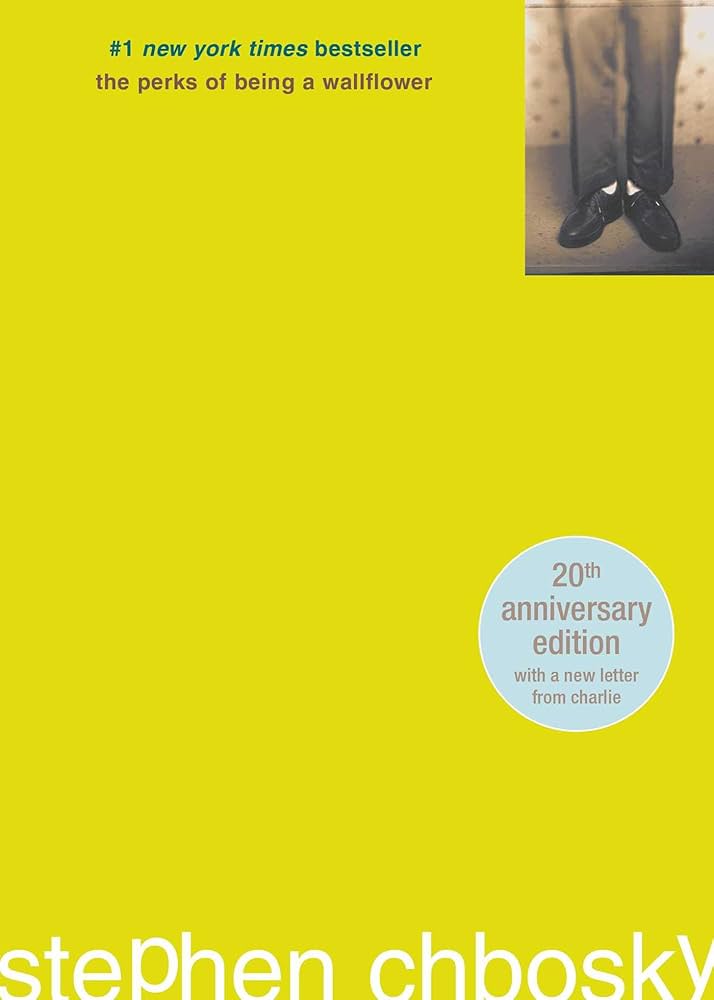
If you are searching for a defining coming-of-age story that captures the raw, unfiltered emotion of adolescence, look no further than The Perks of Being a Wallflower by Stephen Chbosky. Since its publication, this epistolary novel has resonated with millions of readers across the globe. The Perks of Being a Wallflower is not just a book; it is a profound journey into the mind of a teenager trying to navigate the complexities of high school, trauma, and finding a sense of belonging. In this deep-dive guide, we will explore the powerful narrative crafted by Stephen Chbosky, breaking down the plot, the unforgettable characters, and the enduring themes that make The Perks of Being a Wallflower an essential read for young adults and adults alike.
Plot Summary
The narrative of The Perks of Being a Wallflower by Stephen Chbosky unfolds through a series of letters written by the protagonist, a high school freshman named Charlie. He writes to an anonymous “friend,” providing an intimate, deeply personal account of his first year of high school in the early 1990s. As The Perks of Being a Wallflower begins, Charlie is recovering from the recent suicide of his middle school best friend, Michael, and still grappling with the lingering grief over the death of his beloved Aunt Helen, who died in a car crash when he was younger.
Initially isolated and highly observant—a true “wallflower”—Charlie’s life takes a dramatic turn when he befriends two charismatic seniors, step-siblings Sam and Patrick. Stephen Chbosky brilliantly uses these two characters to pull Charlie out of his shell. They introduce him to a world of mixed tapes, midnight drives, parties, and the iconic shadow-cast performances of The Rocky Horror Picture Show. Under their wing, Charlie begins to participate in life rather than simply watching it from the sidelines.
However, The Perks of Being a Wallflower does not shy away from the darker aspects of growing up. Throughout the school year, Charlie experiments with drugs and alcohol, navigates his first confusing romantic encounters, and supports his friends through their own severe struggles, including Patrick’s secret relationship with a closeted football player. As the school year draws to a close and his friends prepare to leave for college, Charlie’s repressed memories begin to surface. Stephen Chbosky masterfully builds to a shocking climax, revealing that Charlie was sexually abused by his Aunt Helen. This repressed trauma triggers a severe mental breakdown, leading to his hospitalization. The novel concludes on a hopeful note, with Charlie receiving psychiatric help, making peace with his past, and preparing to enter his sophomore year ready to “participate” in life.
Character Analysis
Stephen Chbosky created a remarkably relatable and complex cast of characters in The Perks of Being a Wallflower. Here is a breakdown of the central figures:
- Charlie: The observant, sensitive, and deeply empathetic narrator of The Perks of Being a Wallflower. He internalizes the pain of others while repressing his own deep-seated trauma. His journey is about learning to value himself and step onto the dance floor of life.
- Sam: A beautiful, kind-hearted senior whom Charlie immediately falls in love with. She struggles with low self-esteem and a history of bad relationships, encapsulating the famous Stephen Chbosky quote, “We accept the love we think we deserve.”
- Patrick (Nothing): Sam’s eccentric, proudly gay stepbrother. He acts as the ultimate catalyst for Charlie’s social awakening. Despite his outgoing exterior, Patrick hides his own pain stemming from his secret, emotionally abusive relationship with Brad.
- Bill Anderson: Charlie’s Advanced English teacher. He recognizes Charlie’s exceptional intellect and assigns him extra reading (like The Catcher in the Rye and To Kill a Mockingbird), serving as a vital mentor figure throughout The Perks of Being a Wallflower.
- Aunt Helen: A looming, complex figure in Charlie’s past. For most of the book, she is idealized by Charlie, but the dark revelation of her abuse forms the psychological core of the novel’s climax.
Thematic Analysis
At its core, The Perks of Being a Wallflower by Stephen Chbosky is a profound exploration of several heavy and universal themes. One of the most prominent themes is the impact of repressed trauma on mental health. Stephen Chbosky illustrates how childhood abuse can fracture the psyche, causing Charlie to dissociate and view his own life through the detached lens of a “wallflower.”
Another central theme is the transformative power of friendship and acceptance. Before meeting Sam and Patrick, Charlie is completely isolated. Their unconditional acceptance allows him to experience moments where he feels “infinite”—a famous phrase from The Perks of Being a Wallflower that perfectly captures the fleeting, euphoric invincibility of youth. Furthermore, Stephen Chbosky frequently explores the role of literature and music as lifelines. The mix tapes Charlie creates and the books Bill assigns him are not just pop culture references; they are vital tools for processing emotion and communicating when words fail.
Reader Reactions and Cultural Impact
Since its release in 1999, The Perks of Being a Wallflower has achieved massive cult status. Readers continuously praise Stephen Chbosky for his authentic depiction of teenage angst, mental illness, and the awkwardness of adolescence. Its deeply quotable lines frequently circulate across social media platforms like Tumblr, Instagram, and TikTok, proving its timeless relevance to new generations. The 2012 film adaptation—which Stephen Chbosky himself wrote and directed, starring Logan Lerman, Emma Watson, and Ezra Miller—further catapulted the book into mainstream pop culture, ensuring its place as a modern YA classic.
About the Author: Stephen Chbosky
Stephen Chbosky is an American novelist, screenwriter, and film director. Born in Pittsburgh, Pennsylvania, his upbringing heavily influenced the setting of The Perks of Being a Wallflower. Beyond his literary success, Stephen Chbosky is highly regarded in Hollywood; he wrote the screenplay for the film adaptation of Rent, co-created the post-apocalyptic television drama Jericho, and directed the hit 2017 movie Wonder. However, he will forever be best known for giving the world The Perks of Being a Wallflower.
Where to Buy The Perks of Being a Wallflower
Ready to experience this modern classic? You can purchase copies across various major retailers. Add this essential Stephen Chbosky novel to your collection today:
- Buy The Perks of Being a Wallflower on Amazon
- Buy The Perks of Being a Wallflower on Barnes & Noble
- Buy The Perks of Being a Wallflower on Bookshop.org
- Buy The Perks of Being a Wallflower on Audible
- Buy The Perks of Being a Wallflower on ThriftBooks
- Buy The Perks of Being a Wallflower on Target
- Buy The Perks of Being a Wallflower on Walmart
- Buy The Perks of Being a Wallflower on Books-A-Million