
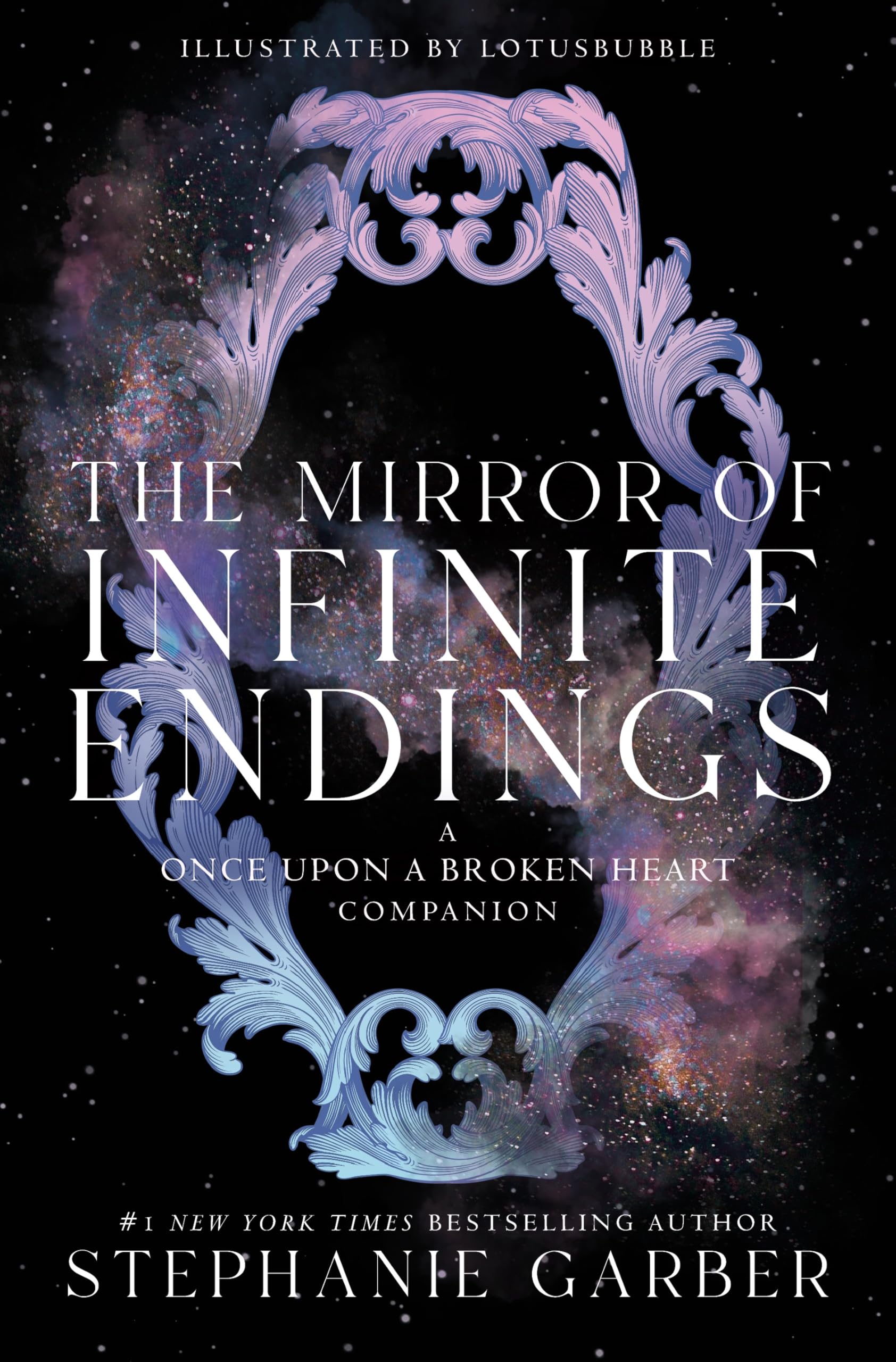
The literary world is once again captivated by the whimsical and often dangerous imagination of a master storyteller. In The Mirror of Infinite Endings, Stephanie Garber invites readers back into a realm where the line between reality and enchantment is thinner than a silvered glass. This highly anticipated release promises to deepen the lore established in her previous works while offering a fresh, breathtaking perspective on fate, love, and the stories we tell ourselves.
Quick Comparison
| Book Title | Genre | Target Audience | Rating (Out of 5) |
|---|---|---|---|
| The Mirror of Infinite Endings | Fantasy Romance | Young Adult / New Adult | 4.8 |
Plot Summary: Into the Looking Glass
Without veering into spoiler territory, The Mirror of Infinite Endings follows a journey of self-discovery and high-stakes magic. The narrative centers on a quest involving ancient artifacts that have the power to reveal not just one’s future, but all possible versions of how a life could conclude.
As the protagonist navigates a landscape filled with riddles and shifting loyalties, they must decide if knowing the ending is worth sacrificing the present. Garber weaves a complex web of encounters with familiar archetypes and new, enigmatic figures that challenge the reader’s perception of “happily ever after.”
The “Real Talk”: Pacing and Prose
Garber’s prose remains as lush and sensory as ever. The pacing is deliberate in the first act, building a sense of atmospheric dread and wonder, before accelerating into a relentless sprint toward the climax. While some might find the lyrical descriptions dense, they serve to anchor the ethereal plot in a tangible, vibrant world.
The emotional impact is where this book truly shines. It doesn’t shy away from the pain of longing or the bitterness of betrayal, making the magical triumphs feel earned rather than convenient.
Character Analysis: Growth and Magic
The protagonists in this installment show a remarkable evolution. We see a transition from reactive characters to individuals who actively seize their destinies. Their motivations are layered; no one is purely heroic or entirely villainous.
The secondary cast adds significant depth, providing a mirror—quite literally—to the main characters’ flaws and virtues. The chemistry between the leads is electric, characterized by a “slow-burn” tension that Garber fans have come to adore.
Vibe Check
- Bittersweet
- Whimsical
- Atmospheric
- Ethereal
- High-Stakes
Thematic Analysis: Choices and Consequences
At its core, the novel explores the philosophy of determinism versus free will. The “Mirror” serves as a powerful metaphor for the anxiety of choice. By showcasing infinite endings, Garber argues that it is the journey and the intent behind our actions that define us, rather than the final destination.
The book also touches on the concept of “The Storyteller”—how history is written by the victors and how we often become prisoners of the narratives we create for our own lives.
Reader Reactions & Cultural Impact
Since its announcement, the book has dominated BookTok and Instagram circles. Early reviewers on Goodreads have praised it for returning to the “Caraval-esque” wonder while maintaining the maturity found in the Once Upon a Broken Heart trilogy. It has sparked countless fan theories regarding the interconnectedness of Garber’s universe.
Frequently Asked Questions
Is there a sequel to The Mirror of Infinite Endings?
While the ending is satisfying, the expansive nature of the world leaves room for more stories. Currently, no official sequel has been announced.
Is this book suitable for children?
It is classified as Young Adult/New Adult. While it contains magical themes, it also explores mature emotional concepts and romantic tension, making it best for readers aged 14 and up.
Do I need to read Caraval first?
While it can be enjoyed as a standalone, reading the Caraval series enhances the experience by providing context for the world’s unique magic system.