
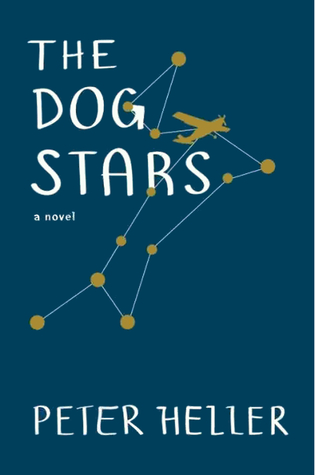
TL;DR: The Verdict
The Dog Stars is a phenomenal, lyrical triumph that breathes breathtaking beauty into the stale post-apocalyptic genre. Peter Heller delivers an unforgettable, emotionally resonant survival story that avoids generic tropes. It earns our highest “Must-Read” rating for its poetic prose and profound humanity.
Quick Book Breakdown
| Title | Genre | Difficulty Level | Final Score |
|---|---|---|---|
| The Dog Stars by Peter Heller | Literary Fiction / Post-Apocalyptic | Medium (Lyrical, Fragmented Style) | 9.6 / 10 |
Plot Summary: Life After the End
Nine years after a brutal flu pandemic wiped out the vast majority of the global population, followed closely by a secondary bacterial blood disease, the world is empty, quiet, and incredibly dangerous. We enter this fragile landscape through Hig, a survivor who lost his pregnant wife, his friends, and everything resembling his old life. Hig lives in a hangar at a defunct regional airport in Colorado, alongside his beloved, aging hound dog named Jasper.
Hig is not entirely alone. He shares the perimeter with Bangley, a heavily armed, militarily precise misanthrope who lives for tactical defense. Together, they form an uneasy but functional alliance: Hig flies his 1956 Cessna light aircraft—affectionately named “The Beast”—to scout the surrounding terrain, while Bangley acts as a ruthless sniper, eliminating any wandering marauders who breach their safe zone. This domestic routine provides security, but it suffocates Hig’s empathetic spirit.
The true catalyst of the story arrives through a voice on the radio. Years prior, during a routine flight that pushed the boundaries of his limited fuel supply, Hig picked up a mysterious, static-heavy transmission from a voice coming from an airport farther past the mountains. The memory of that voice haunts him, acting as a beacon of hope that maybe, just maybe, a functional, compassionate community exists beyond their violent horizon. When a sudden loss alters his situation at home, Hig decides to risk everything, fly past his point of no return, and discover if there is still a world left worth living in.
The “Real Talk”: Honest Critical Opinion
Let’s be completely transparent: if you are searching for a fast-paced, zombie-slaying thrill ride filled with constant explosions, this book is not for you. Peter Heller approaches the end of the world with the soul of a nature poet rather than a Hollywood action director. The prose is deeply stylized—written in short, fragmented, stream-of-consciousness bursts that lack traditional punctuation and quotation marks. Initially, this stylistic choice can feel disorienting, but once you adapt to Hig’s internal rhythm, it becomes incredibly immersive.
The pacing resembles a slow, deliberate river. Heller balances sudden, visceral bursts of terrifying violence with long, meditative stretches of fly-fishing, stargazing, and observing the natural world reclaiming concrete cities. This contrast makes the novel extraordinary. The emotional resonance strikes hard because Heller doesn’t focus solely on what humanity lost, but rather on what survives within the human heart when society strips away everything else.
If there is any flaw in the narrative, it occurs in the final third of the book, where the introduction of new characters feels slightly rushed compared to the slow-burning development of the opening acts. However, the sheer beauty of the descriptions and the authentic grief that permeates the text easily outweigh these minor narrative structural issues.
Character Deep-Dive: Growth and Flaws
Hig (The Pilot): Hig is the emotional anchor of the novel. He is a deeply flawed survivor because he retains his capacity for love and empathy in a world that rewards cold-blooded brutality. He grieves openly for his lost wife, Melissa, and finds solace in the rhythmic beauty of nature. His primary growth stems from his refusal to accept mere survival as enough. He wants to truly live, even if seeking connection eventually leads to his demise.
Bangley (The Soldier): Bangley serves as the perfect ideological foil to Hig. He is pragmatic, cold, tactical, and seemingly devoid of sentimentality. He views other humans exclusively as threats to be neutralized. Yet, as the story unfolds, we discover a hidden, fiercely protective loyalty beneath his gruff exterior. His flaws are clear—he has allowed the apocalypse to harden him into a killing machine—but his evolution shows that his partnership with Hig is the only thread keeping him tethered to his own humanity.
Vibe Check
- Melancholic: A heavy, beautiful sense of grief for a lost world runs through every page.
- Atmospheric: The clean Colorado air, the quiet valleys, and the hum of the Cessna engine are palpably real.
- Visceral: The survival elements, hunger, and sudden physical dangers feel raw and authentic.
- Hopeful: Despite the pervasive death, the core message remains a beautiful tribute to the human spirit’s resilience.
Thematic Analysis: Deeper Meanings
At its core, The Dog Stars explores the profound philosophical difference between surviving and living. Bangley represents survival—pure, unadulterated physical endurance focused on caloric intake and perimeter security. Hig represents living—the desperate need for art, companionship, nature, and emotional vulnerability.
Heller also weaves an undeniable environmental commentary throughout the text. The pandemic acts as a brutal reset button for an overworked planet. As human populations decline, the sky clears, the fish return to the streams, and the wilderness flourishes. The novel serves as an elegant reminder that nature is indifferent to human survival; it will endure and reclaim its beauty long after our structures crumble.
Reader Reactions: BookTok & Goodreads
On Goodreads, the novel maintains a stellar reputation, with readers frequently praising Heller’s background as an outdoor adventure writer, noting that his technical descriptions of piloting and fishing add immense credibility to the world-building. Many reviewers mention that it stands alongside Cormac McCarthy’s The Road, though it offers a significantly more optimistic and beautiful perspective on human nature.
Over on BookTok, a massive resurgence of interest has sparked due to the upcoming high-profile film adaptation. Users are heavily highlighting the emotional bond between Hig and his dog, Jasper, warning new readers to keep tissues nearby. The unique prose style remains a frequent talking point, with creators describing it as a polarizing hurdle that ultimately rewards patient readers with an unforgettable literary experience.
Frequently Asked Questions (FAQ)
Q: Is The Dog Stars a standalone novel?
A: Yes, it is a completely self-contained standalone novel with a definitive, satisfying ending.
Q: Does the dog die in the book?
A: Without spoiling the exact timeline, the book deals very honestly with the realities of an aging pet in a harsh world. Empathic animal lovers should prepare themselves emotionally.
Q: Is there romance in the story?
A: Yes, a subtle, mature, and deeply meaningful romantic subplot develops in the latter half of the book as Hig searches for connection.
Q: How violent is the novel?
A: While the book is primarily meditative, it contains brief, graphic scenes of realistic firearm violence and the grim aftermath of a societal collapse.
Where to Buy
Ready to add this modern literary classic to your shelf before the movie hits theaters? Check out the latest editions and availability at these major retailers: