
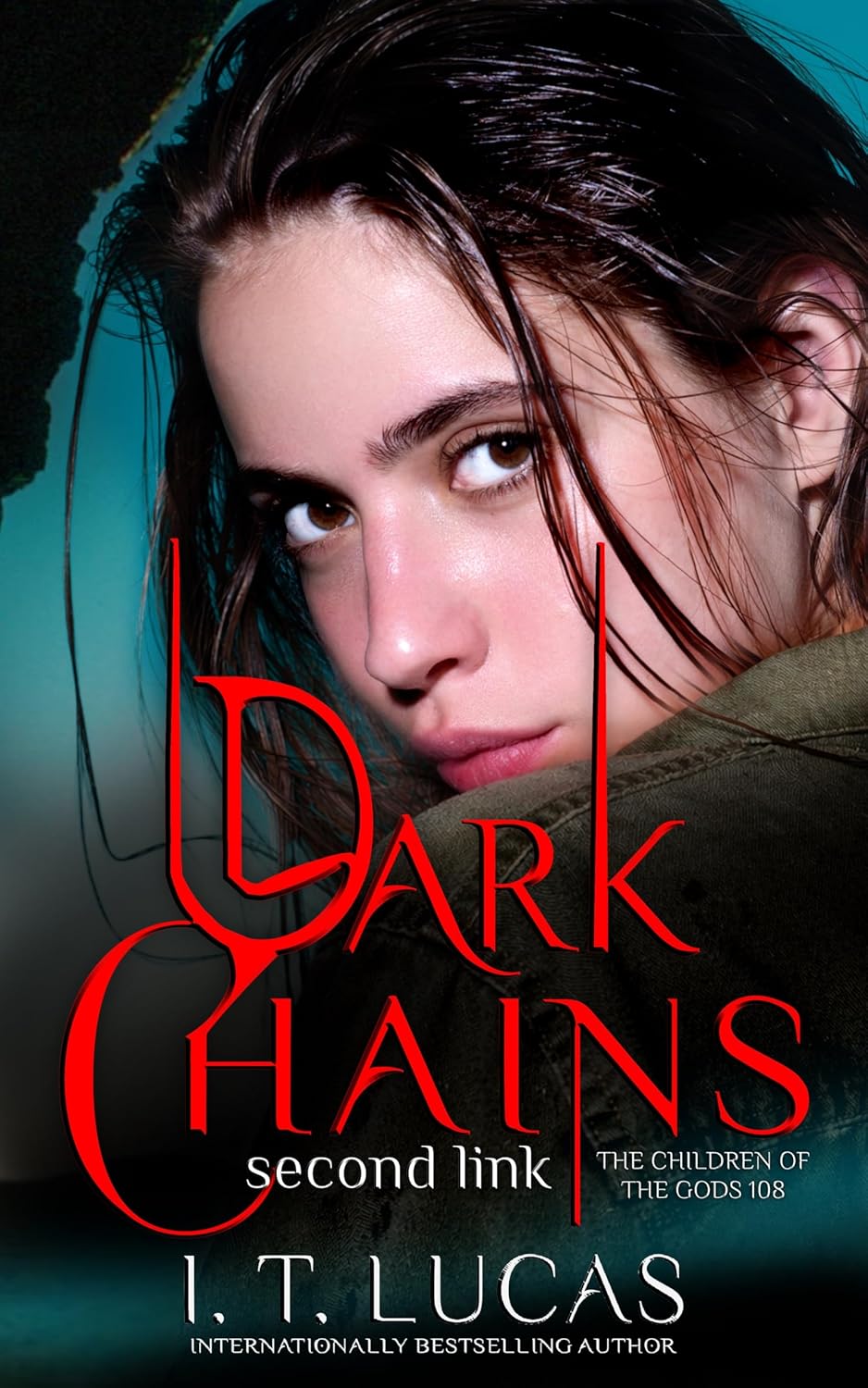
An Eternal Captivity: Introduction
Stepping into the expansive universe created by I. T. Lucas feels like navigating a labyrinth where mythology and raw human desire collide. In Dark Chains by I. T. Lucas, readers are thrown back into the intoxicating, high-stakes world of the Children of the Gods series. This installment functions less like a standard fantasy romance and more like a psychological pressure cooker, comparable to the dark mythology found in J.R. Ward’s Black Dagger Brotherhood or the fated-mate tensions of Kresley Cole’s Immortals After Dark series. Lucas takes the familiar foundations of her immortal world and tightens the screws around her characters, delivering a narrative that tests the line between devotion and obsession.
Dark Chains At a Glance: Key Details
| Book Title | Genre | Target Audience | Anwar Library Rating |
|---|---|---|---|
| Dark Chains | Paranormal Romance / Urban Fantasy | Fans of fated mates, ancient mythology, and high-stakes romantic suspense. | 4.2 / 5.0 |
The Anatomy of a Supernatural Snare: Plot Summary of Dark Chains (No Spoilers)
The story focuses on Kian, a powerful, ancient immortal warrior who has spent centuries navigating the complex political and survival dynamics of his kind. Bound by duty, history, and a lingering sense of isolation, his trajectory alters dramatically when he crosses paths with Amanda. Amanda is a human woman thrust into a world she doesn’t understand, possessing a rare lineage or latent potential that makes her highly valuable—and highly vulnerable—to the immortal factions operating in the shadows.
From the moment they meet, an undeniable, intense connection sparks between them. However, this is no ordinary attraction. In Lucas’s world, immortal bonds carry physical, psychological, and spiritual weight. For Amanda, the sudden influx of supernatural politics, hidden dangers, and Kian’s overprotective nature feels like a cage closing in. Kian faces the challenge of protecting Amanda from external threats while managing an all-consuming instinct to claim and shelter her, a behavior that threatens to alienate the very woman he wants to save. As enemies circle and internal secrets begin to unravel, the central question shifts from whether they can survive the external threat to whether their bond will destroy Amanda’s autonomy.
The Breaking of the Links: Dark Chains Ending Explained & Plot Twists (Spoilers)
Click to expand the deep-dive spoiler zone
🚨 WARNING: Major Spoilers Ahead! Do not expand this section unless you have finished the book.
The climax of Dark Chains resolves the agonizing tension built between Kian and Amanda’s competing desires for safety versus independence. The story reaches a turning point when an external ambush forces Amanda to fully witness the violent reality of Kian’s immortal existence. Rather than fracturing her resolve, this confrontation acts as a catalyst. Amanda realizes that her connection to Kian isn’t a random curse, but a biological and metaphysical alignment tied to the ancient origins of the gods.
The major plot twist involves the revelation of a hidden betrayal within the inner circle of the immortals. A trusted ally had been manipulating information, steering external threats toward Amanda to test Kian’s emotional stability and political alignment. In a tense, tactical confrontation, Kian neutralizes the immediate danger, but the true resolution occurs on an emotional level. To save their relationship, Kian makes the choice to step back and grant Amanda the genuine freedom to choose him. The novel concludes with an uneasy truce between her human identity and his immortal world, setting up a deeper exploration of their combined powers in the upcoming books.
The Friction of Modern Fantasy: Critical Assessment of the Novel
The “Real Talk”: Pacing, Prose, and Impact
What sets I. T. Lucas apart in this specific book review is her methodical approach to world-building and character interaction. She avoids rushing the romantic development, choosing instead to focus on the psychological adjustments required when a modern human interacts with an ancient entity. The prose is clean, direct, and dialogue-heavy, keeping the narrative moving forward efficiently. However, the pacing in the middle chapters slows down considerably as the characters negotiate the terms of their cohabitation and boundaries. While some readers may find the detailed domestic negotiations tedious, this slower pace provides a grounded foundation that makes the final action sequence feel earned rather than abrupt.
Ancient Instincts vs. Modern Will: In-Depth Character Analysis
Kian represents a compelling study of the traditional alpha hero archetype forced to adapt to modern sensibilities. His centuries of combat experience and survival instincts make him fiercely protective, yet his growth lies in recognizing that true strength involves vulnerability and relinquishing control. He must learn to view Amanda as an equal partner rather than a precious object requiring protection.
Amanda serves as an effective counterweight. She resists the passive heroine role often found in paranormal romance. Her reactions to the supernatural world are logical, marked by skepticism, fear, and a fierce preservation of her personal boundaries. Her development focuses on expanding her worldview to accept her extraordinary circumstances without losing her core identity or sense of self-worth.
Atmospheric Chemistry: Vibe Check
Claustrophobic: The intense emotional focus and confined domestic settings create a palpable sense of containment and pressure.
Mythological: Ancient lineages, godlike abilities, and historical weight ground the modern setting in deep lore.
Calculated: The plot progresses through deliberate conversations, strategic planning, and political maneuvering rather than chaotic action.
The Geometry of Sovereignty: Themes & Motifs Deep Dive
The central theme of Dark Chains revolves around the conflict between destiny and autonomy. The “chains” in the title serve as a dual metaphor for the biological bond that ties the protagonists together and the societal expectations placed on immortal warriors. Lucas questions whether a relationship predestined by genetics or magic can feature true free will. Another prominent motif is the preservation of privacy within an interconnected, telepathic clan environment, highlighting how difficult it is to maintain an individual identity when surrounded by an omnipresent supernatural family structure.
The Clan Membership Invitation: Target Audience Guide
This novel is designed specifically for readers who enjoy detailed urban fantasy worlds with an emphasis on political intrigue and slow-burn romantic tension. If you appreciate authors like Larissa Ione, Nalini Singh, or Christine Feehan, Lucas’s detailed immortal society will feel familiar yet distinct. It is highly recommended to read the previous books in the Children of the Gods sequence before starting this one, as the complex web of family relationships and overarching lore builds directly on prior events.
If You Loved This Drama: Similar Recommendations
Lover Awakened by J.R. Ward: Offers a similar deep look into a scarred, protective warrior navigating an intense, transformative relationship with a resilient heroine.
Angels’ Blood by Nalini Singh: Perfect for readers who want to explore intricate, dangerous immortal hierarchies where mortal and immortal lives intersect.
Dark Prince by Christine Feehan: A classic selection for those who enjoy the specific dynamics of a powerful, ancient hero discovering a rare soul connection that alters his worldview.
Digital Whispers and Community Echoes: Cultural Impact and Reader Reactions
Within the paranormal romance community on Goodreads and BookTok, Dark Chains is recognized for its steady, character-driven development. Longtime readers of the series praise Lucas for maintaining a consistent internal logic across her vast world, preventing power inflation among her characters. A common point of discussion among fans is the realistic handling of Amanda’s reluctance to embrace the immortal lifestyle, with many contrasting her grounded reactions positively against more submissive tropes common in the genre.
About the Author: I. T. Lucas
I. T. Lucas has built a dedicated international readership through her sprawling, multi-generational Children of the Gods universe. Known for her interest in historical mythologies, human psychology, and evolutionary biology, she weaves these disparate elements into a cohesive fantasy framework. Her writing style avoids flamboyant prose in favor of meticulous narrative construction, a quality that has made her one of the most prolific and reliable self-published voices in contemporary paranormal fiction.
Frequently Asked Questions (FAQ)
Can Dark Chains be read as a standalone novel?
No, it is highly recommended to read Dark Chains as part of its chronological sequence within the Children of the Gods series. The political dynamics, family relationships, and specific rules of the supernatural world build heavily on events established in earlier volumes.
What type of romance tropes are featured in Dark Chains?
The book prominently features the fated mates, alpha protector, and human-immortal romance tropes, focused through a modern lens that emphasizes mutual consent and personal autonomy.
How intense is the action compared to the romance?
The novel prioritizes romantic development, character dialogue, and psychological tension over constant physical combat. While there are sudden, high-stakes action sequences, they serve primarily to advance the emotional stakes between the protagonists.
Where to Buy & Read
Ready to immerse yourself in this unputdownable book? Use the verified, functional search retail links below to find the best deals on physical, digital, or audio editions: