
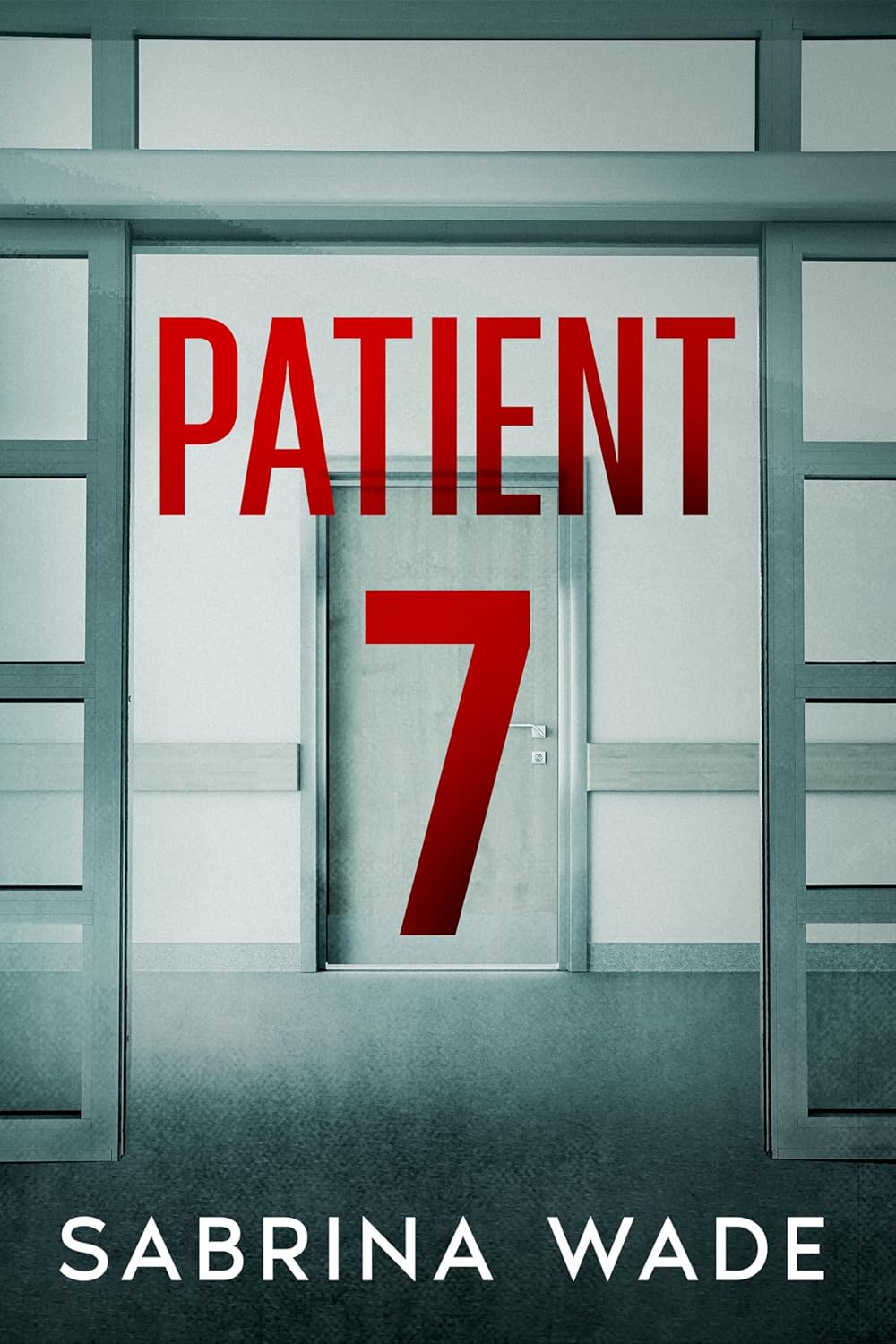
The Whispering Tapes: Introduction
In the crowded landscape of contemporary suspense fiction, few conceits are as inherently terrifying as the prophetic madman. With Patient 7, seasoned mystery author Sabrina Wade delivers a clinical, high-stakes medical thriller that matches the architectural dread of classic psychological puzzles. Reminiscent of the institutional claustrophobia found in foundational texts like Shutter Island mixed with the frantic procedural pacing of modern crime fiction, this novel explores the razor-thin boundary separating psychiatric diagnosis from pure malice. Wade positions her narrative directly at the intersection of professional ethics and domestic betrayal, forcing the reader to question whether the monitors of our mental health are entirely stable themselves.
Patient 7 At a Glance: Key Details
| Book Title | Genre | Target Audience | Anwar Library Rating | |
|---|---|---|---|---|
| Patient 7 | Psychological Thriller / Police Procedural | Fans of high-pacing medical mysteries, unreliable narrators, and dark clinical plot twists. | 4.6 / 5.0 |
The Mid-West Malice: Quick Verdict & Vibe
Sabrina Wade’s Patient 7 is a fiercely addictive, tightly coiled thriller that successfully subverts expectations by blending cold forensic details with visceral emotional trauma. It is an unputdownable afternoon read designed for those who want their puzzles intricate and their resolutions earned.
- Pros: Masterful pacing fueled by short, episodic chapters; an exceptionally eerie atmosphere surrounding the audio cassette recordings; sharp chemistry between the investigative leads.
- Cons: Certain procedural steps require a mild suspension of disbelief; the secondary characters occasionally lean into traditional law-enforcement archetypes.
The Prophecy of the Tapes: Plot Summary (No Spoilers)
The story ignites with a vacuum of answers: Dr. Colton Hadley, a prominent and highly respected psychiatrist, vanishes without a trace. His sudden disappearance leaves his ex-wife, Dr. Rachel Hadley—herself an accomplished psychiatric professional—reeling in a vortex of confusion and unresolved marital history. When County Detective Lane Archer is assigned to the case, his investigation leads into the deepest recesses of Colton’s private practice. Tucked away behind a false drawer, Archer uncovers a cache of audio cassette tapes marked with a simple, anonymous label: Patient 7.
As Rachel and Archer play the audio reels, they do not hear the erratic ramblings of a fractured psyche. Instead, they find a calm, chillingly precise voice predicting four local murders in exquisite detail. The voice specifies the exact locations, the chronological timing, and the identities of the victims. The operational paradox that stuns the department is absolute: records indicate Patient 7 has been completely institutionalized, lacking any outside contact, physical phone lines, or internet access for over six months. Yet, as the countdown expires, the first predicted homicide occurs precisely as specified on the analog ribbon. Rachel is forced to confront a terrifying reality as the death toll rises—either this mystery patient possesses preternatural precognition, or her missing ex-husband was deeply complicit in an elegant, bloody game of clockwork murder.
The Mastermind in the Mirror: Ending Explained & Plot Twists (Spoilers)
Click to expand the deep-dive spoiler zone
🚨 WARNING: Major Spoilers Ahead! Do not expand this section unless you have finished the book.
The final third of Patient 7 shifts into overdrive as Detective Lane Archer and Dr. Rachel Hadley attempt to interdict the fourth and final murder. The ultimate reveal relies on a brilliant deconstruction of identity and psychiatric manipulation. Through meticulous audio forensics, Rachel realizes that “Patient 7” does not actually exist as an independent institutionalized individual; rather, the entire identity was an elaborate, alter-ego construct meticulously engineered by her missing ex-husband, Dr. Colton Hadley.
Colton had not been kidnapped or murdered at the book’s opening. Instead, he staged his own disappearance to orchestrate a perfect, untraceable campaign of proxy vengeance against individuals who had collectively ruined his professional standing years prior. Colton used his psychiatric influence to hypnotically program and manipulate highly vulnerable, active outpatients into performing the executions under his direct, untraceable guidance—acting as his remote hands while he remained completely off the grid. The tapes were recorded in advance by Colton himself using structural vocal alteration techniques to throw off analysis. The final, unseeable twist occurs when Rachel uncovers that the planned fourth victim was meant to be her. Colton intended to frame Detective Archer for the final act, ensuring his own clean escape. In a dramatic confrontation inside an abandoned psychiatric ward, Rachel utilizes her own deep knowledge of Colton’s psychological vulnerabilities to break his composure, allowing Archer to apprehend him before the final trap snaps shut.
Symmetry and Subversion: Critical Assessment of the Novel
The “Real Talk”: Pacing, Prose, and Impact
Wade operates with a lean, modern prose style that focuses entirely on narrative momentum. Unlike more meditative thrillers that bog down the reader in expansive environment building, this text treats chapters like scenes in a fast-paced thriller film. The prose is clean and unpretentious, relying heavily on snappy dialogue and forensic observations to carry the weight. For readers who enjoy dissecting structural narrative formats, looking at a comprehensive tropesick review shows how effectively Wade dodges standard cliché traps while maintaining classic thriller foundations. The tension builds in an exponential curve; the device of the analog tape player acts as an outstanding rhythmic metronome for suspense, ensuring that the reader remains just as desperate as Detective Archer to figure out the truth before the next reel spins down to silence.
The Fractured Mindsets: In-Depth Character Analysis
Dr. Rachel Hadley serves as an excellent anchor for the reader’s empathy. She is intelligent, analytical, and professional, yet crippled by the emotional baggage of her failed marriage to Colton. Her evolution from a passive survivor reacting to a crisis into an active investigator executing forensic psychology tactics is incredibly rewarding. Her dynamic with Detective Lane Archer avoids the typical, rushed tropes of romantic suspense, settling instead into a hard-edged partnership built on mutual respect and matching intellects. For those who appreciate a narrative balance between deep interpersonal longing and high-stakes danger, examining the elements highlighted in our woman down review demonstrates how well Wade handles complex relationship stakes amidst an active manhunt.
Dr. Colton Hadley, though largely seen through memories and the clinical presence of his audio legacy, stands out as a highly compelling antagonist. He isn’t driven by a cartoonish desire for chaos, but rather by a structured, narcissistic grievance that makes his actions feel terrifyingly rational from his perspective. His manipulation of identities explores the dark potential of therapeutic control.
Atmospheric Chemistry: Vibe Check
Understanding the aesthetic texture of a thriller helps frame its overall reading experience. Here is the atmospheric signature of Wade’s latest release:
- Clinical: The entire novel is steeped in the cold, white-noise environments of modern hospitals and forensic interrogation rooms.
- Claustrophobic: Much of the psychological dread is generated within small rooms—listening to old tapes, reviewing transcripts, and exploring locked offices.
- Analog: The physical crunch and hiss of old cassette tapes provide a brilliant, tangible tactile texture that offsets the modern digital setting.
- Calculated: Every single clue is dropped with clockwork intent, mimicking the cold methodology of the antagonist.
The Illusion of Authority: Themes & Motifs Deep Dive
The core thematic conflict within Patient 7 centers on the concept of institutional control and the inherent danger of weaponized trust. A psychiatrist possesses unparalleled access to the deepest vulnerabilities of the human mind, and Wade explores the terrifying implications of what happens when that authority is turned predatory. The analog tapes themselves act as a prominent motif throughout the novel; they represent the static, unalterable past that continues to speak into the present, predicting fate while mocking those who think they have free will. Furthermore, the book tackles the psychological concept of identity splintering, asking whether any person truly knows the hidden corners of those they once shared a home with. For a broader comparative analysis of how secrets tear apart intimate familial and professional structures, look into the themes explored in our you deserve to know overview.
The Diagnostic Fit: Target Audience Guide
This book is tailor-made for readers who crave rapid-fire plotting and short chapters that demand “just one more page” before turning out the light. If you are a devotee of medical suspense, forensic procedurals, or criminal profiling mysteries, Patient 7 will hit your sweet spot. It is an excellent match for fans of authors like Freida McFadden, Lucinda Berry, or B.A. Paris, who similarly excel at turning domestic and professional settings into playgrounds of psychological warfare.
If You Loved This Drama: Similar Recommendations
- The Silent Patient by Alex Michaelides: Shares the intense, claustrophobic psychiatric framework and features an unreliable narrator whose silence or speech holds the key to a massive structural twist.
- Don’t Log Off by Patty Lin: A fast-paced, tech-focused contemporary suspense novel that echoes the ticking-clock pressure and structural containment seen in Wade’s plotting.
- The Good Lie by Tarryn Fisher: An excellent pick for those who loved the intricate mental chess played between a seasoned female psychologist and an elusive, manipulative killer.
The Digital Buzz: Cultural Impact and Reader Reactions
Since its release, Patient 7 has gained significant traction across psychological thriller communities on BookTok and Goodreads, where readers have actively celebrated the sheer unpredictability of the audio tape plot device. It has been highlighted on several major summer reading lists as a top-tier “binge-worthy” recommendation. Book club discussions have largely focused on the ethical boundaries of psychiatric treatment and the chilling feasibility of the final twist, making it a standout pick for interactive community debates.
About the Author: Sabrina Wade
Sabrina Wade is a retail pharmacist hailing from the American Midwest who has turned her life-long passion for mystery, cinema, and psychological suspense into a prolific publishing career. Drawing upon her professional background in medicine and clinical settings, Wade infuses her thrillers with an authentic sense of pharmaceutical and physiological realism. Known for her ultra-fast pacing, clean prose, and signature short chapters, she continues to establish herself as a vital voice in modern independent thriller fiction. She resides in Missouri with her family and an assortment of beloved rescue pets.
Frequently Asked Questions (FAQ)
Is Patient 7 part of a series or a standalone novel?
Patient 7 is written as a fully self-contained standalone novel. It features a complete resolution to its central mystery, making it a perfect choice for readers looking for a satisfying, single-volume story.
Does this book contain heavy gore or graphic violence?
While the book centers around an active investigation of predicted homicides, Sabrina Wade focuses heavily on psychological tension, forensic deduction, and suspense rather than explicit, visceral gore.
How long does it take to read Patient 7?
With its high-velocity pacing and short chapter structures, the average reader can easily complete this 401-page novel within roughly 5 to 7 hours of reading time.
Where to Buy & Read
Ready to immerse yourself in this unputdownable book? Use the verified, functional search retail links below to find the best deals on physical, digital, or audio editions: