
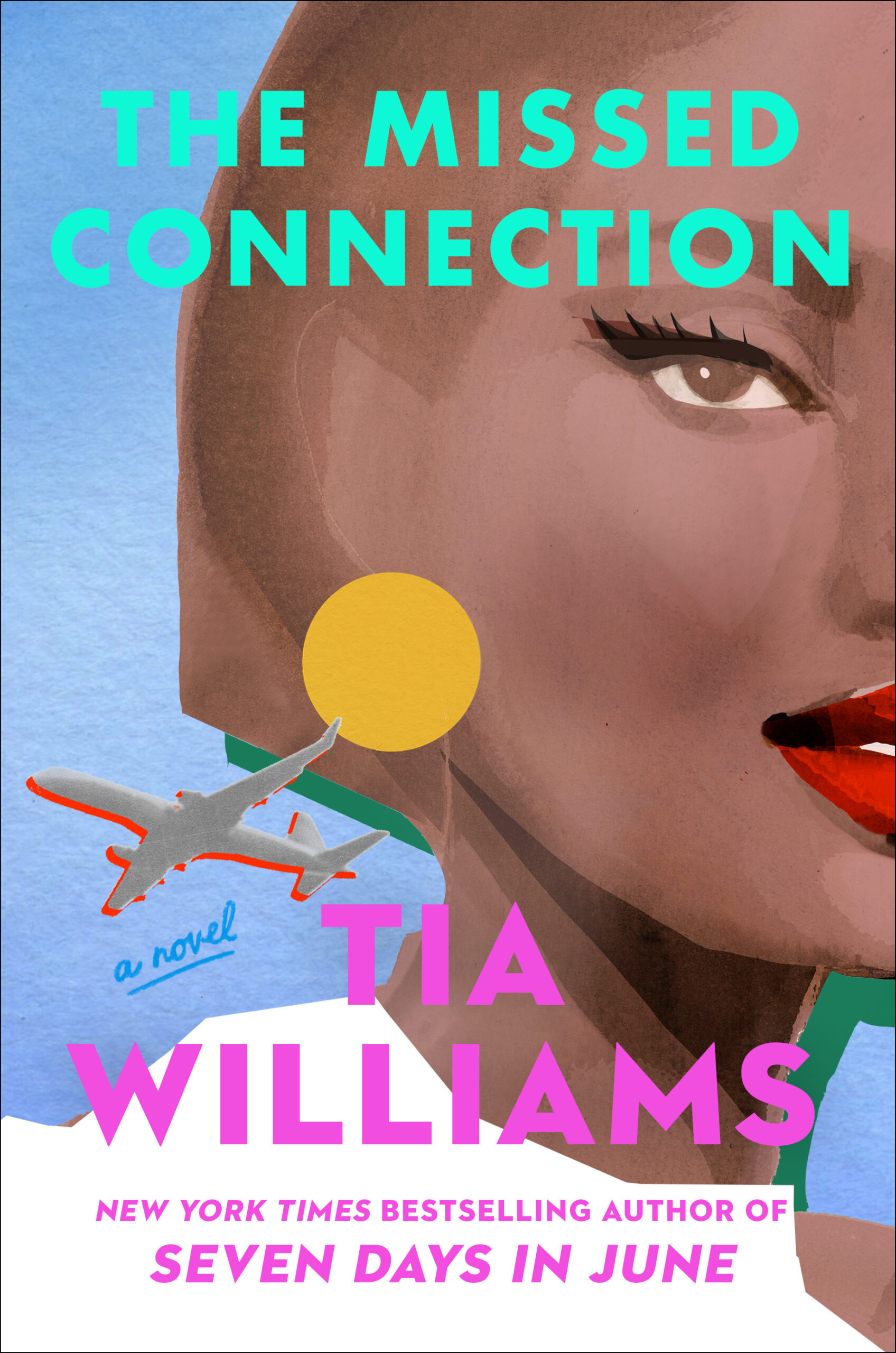
An Overdue Rendezvous in Manhattan: Introduction
When it comes to crafting stories infused with sharp cultural wit, high-fashion sensibilities, and deeply aching romance, few voices resonate as powerfully as bestselling author Tia Williams. Stepping boldly into the limelight of contemporary fiction, The Missed Connection by Tia Williams presents a sweeping, emotionally complex narrative that masterfully deconstructs the thin line between destiny and terrible timing. Much like Williams’ previous acclaimed masterpieces, this novel operates on a higher frequency than standard commercial love stories, drawing immediate stylistic benchmarks to high-society romantic dramas and intellectual artistic rivalries. It explores how ambition, systemic pressures, and personal trauma can warp a once-in-a-lifetime emotional spark into decades of unresolved yearning.
Within the broader landscape of modern relationship fiction, the book sets a new standard for how intellectual and creative parity can heighten romantic stakes. For readers tracking the evolution of smart, dialogue-driven romance on our platform, this high-contrast dynamic structurally mirrors the sharp academic tension found in our review of The Love Hypothesis. However, Williams infuses her narrative with a distinctly rich, soulful exploration of identity and artistic legacy, ensuring that the stakes feel intensely grounded from the very first page.
The Missed Connection At a Glance: Key Details
| Book Title | Genre | Target Audience | Anwar Library Rating |
|---|---|---|---|
| The Missed Connection | Contemporary Romance / Literary Romance | Fans of second-chance tropes, creative industry settings, and emotionally intense dual-timeline narratives | 4.7 / 5.0 |
A Tangled Blueprint of Art and Timing: Plot Summary of The Missed Connection (No Spoilers)
The operational framework of The Missed Connection introduces readers to two fiercely ambitious Black creatives whose paths cross during a formative, incandescent summer in New York City. The narrative tracks the parallel lives of the protagonists as they claw their way through the highly competitive, often exclusionary worlds of elite publishing and fine arts. Their initial encounter is electric, establishing an immediate psychological and physical bond that threatens to eclipse their individual career aspirations. However, a series of misunderstandings, combined with the crushing pressures of external expectations, abruptly tears them apart before their connection can truly solidify.
Years later, the narrative engine shifts gears as the characters find themselves unexpectedly thrust back into the same professional circles. Now established figures hiding behind carefully curated public personas, they must navigate the minefield of their shared history while collaborating on a high-profile cultural project. The lingering resentment from their past abandonment wars constantly with an undeniable, magnetic attraction. Williams builds the narrative tension across shifting time horizons, leaving casual pre-readers breathless as the characters edge closer to an emotional reckoning that could either heal their old wounds or permanently destroy their hard-won professional empires.
The Rooftop Reckoning: The Missed Connection Ending Explained & Plot Twists (Spoilers)
Click to expand the deep-dive spoiler zone
🚨 WARNING: Major Spoilers Ahead! Do not expand this section unless you have finished the book or explicitly seek a comprehensive structural breakdown of the finale.
The final act of The Missed Connection unravels a complex web of corporate sabotage and deeply buried personal secrets that originally caused the couple’s multi-decade separation. The major plot twist reveals that a trusted mentor figure within the publishing house had intentionally intercepted crucial letters and digital communications between the two protagonists years prior. This manipulation was driven by a selfish desire to prevent their romantic union from distracting the hero from a high-stakes international book deal that kept the firm financially afloat.
In an incredibly raw, emotionally charged confrontation during a stormy gallery opening on a Manhattan rooftop, the truth finally comes to light. Faced with the undeniable evidence of external interference, the protagonists strip away their defensive armor and layout their vulnerabilities. The hero risks his corporate standing to publicly expose the mentor’s unethical behavior, aligning himself fully with the heroine’s independent artistic vision. The epilogue takes place one year later, showing the couple successfully running a collaborative, independent multimedia creative studio in Brooklyn, finally living out their shared destiny free from the shadow of corporate greed and past misunderstandings.
Polished Prose vs. Structural Pacing: Critical Assessment of the Novel
The “Real Talk”: Pacing, Prose, and Impact
Tia Williams’ literary prose operates with the rhythmic cadence of a finely tuned jazz composition. What sets this book apart in contemporary romance spaces is her incredible ear for witty, natural dialogue and her sharp, satirical take on the elite creative industries. Williams captures the exhaustion, the performance, and the profound beauty of being a creator of color in spaces historically designed to keep you out. The emotional resonance of the slow-burn romance is tangible; the yearning is written with such visceral precision that it occasionally borders on painful.
However, from a strict structural perspective, the dual-timeline format places heavy demands on the reader’s patience. The transition between the shimmering nostalgia of the past and the guarded cynicism of the present occasionally creates minor pacing friction in the middle chapters. This structural challenge is common in grand, multi-era stories, reminiscent of the generational pacing shifts we evaluated in our review of The Tomorrow Tree. Despite these brief structural lulls, Williams successfully realigns the narrative arcs in the final third, delivering a conclusion that feels entirely earned, cathartic, and emotionally resonant.
Defensive Armor and Raw Vulnerability: In-Depth Character Analysis
The psychological depth of the protagonists raises the stakes of this novel far beyond standard genre conventions. The hero is a brilliant study in the cost of high-achieving perfectionism. Outwardly suave and unflappable, his internal monologue reveals a man deeply haunted by the fear of inadequacy and abandonment. His growth throughout the narrative hinges on his willingness to dismantle his carefully constructed corporate persona and fight openly for the emotional truth he discarded in his youth.
The heroine offers a complementary, fiercely independent foil. Her character evolution explores the exhausting reality of maintaining creative integrity in a commercialized world. She refuses to play the role of the passive, pining love interest; instead, she actively challenges the hero’s past choices and demands total accountability before offering her trust. The professional parity between the two characters mirrors their psychological dynamic, creating a balanced partnership where both individuals must evolve independently to survive together.
Atmospheric Chemistry: Vibe Check
To understand the aesthetic and emotional chords of this novel before reading, let us run an atmospheric vibe check:
- Incandescent: The summer flashbacks are drenched in a golden, nostalgic haze of youthful passion and artistic awakening.
- Sophisticated: The contemporary Manhattan setting is alive with sharp, satirical observations of elite media, high fashion, and gallery culture.
- Yearning: The emotional core is defined by a heavy, slow-burning ache that underscores every shared glance and professional interaction.
- Triumphant: The final resolution offers a powerful, empowering reclamation of personal autonomy, creative freedom, and romantic destiny.
Artistic Legacy and Systemic Pressures: Themes & Motifs Deep Dive
At its philosophical core, The Missed Connection is an unyielding interrogation of systemic commodification within the art world. Williams utilizes the characters’ professional struggles to highlight how minority creatives are frequently forced to package their trauma for public consumption. The motif of the “missed connection” extends far beyond a simple train-station metaphor; it represents the structural missed connections between institutional gatekeepers and authentic artistic voices.
Another major theme is the healing power of radical vulnerability. Both characters have spent their adult lives building emotional fortresses to protect themselves from further exploitation. The text continually demonstrates that true artistic and romantic fulfillment cannot occur until these defensive barriers are completely demolished. The recurring imagery of unfinished sketches, heavy rainstorms, and neon cityscapes serves to visually reinforce this internal transition from guarded isolation to raw, unfiltered exposure.
When the Creative Heart Needs Healing: Target Audience Guide
This book is tailor-made for readers who want their romance novels grounded in sharp intellect, cultural nuance, and authentic industry insights. If you adore the high-achieving, culturally rich worlds created by authors like Kennedy Ryan, Alyssa Cole, or Bolu Babalola, Williams’ specific blend of style and substance will resonate with you instantly. It is ideal for those who appreciate mature protagonists who have lived real lives, made devastating mistakes, and possess the self-awareness required to heal themselves and each other.
If You Loved This Drama: Similar Recommendations
If turning the final page of this romance has left a void on your reading list, consider immersing yourself in these highly compatible titles:
- Reel by Kennedy Ryan: A deeply emotional, behind-the-scenes look at Hollywood, creative passion, and chronic illness within a fiercely protective relationship.
- Seven Days in June by Eva開 Aria: The ultimate contemporary benchmark for second-chance romance involving two successful Black authors confronting their shared past over one hot Brooklyn summer.
- Honey & Spice by Bolu Babalola: For readers who want to retain the sharp, witty dialogue and intellectual romantic tension set against a vibrant contemporary cultural backdrop.
Viral Buzz and Literary Accolades: Cultural Impact and Reader Reactions
The digital literary community has embraced The Missed Connection with immense critical enthusiasm. Across platforms like BookTok, Bookstagram, and Goodreads, the novel has consistently trended as a standout release in contemporary fiction. Readers have heavily praised Williams for her ability to balance heavy, real-world themes of systemic exclusion with a romance that feels deeply magical, urgent, and fiercely passionate.
Major literary picking lists and independent book clubs have singled out the novel for its exceptional character development and sharp cultural commentary. Reviewers consistently note that Williams’ writing elevates the romantic genre, proving that commercial love stories can possess the stylistic elegance and analytical depth of high literary fiction, cementing her reputation as an absolute master of her craft.
About the Author: Tia Williams
Tia Williams is an exceptionally accomplished author and veteran beauty editor who has spent over two decades pioneering representation within the publishing and magazine industries. Known for her New York Times bestselling novel Seven Days in June and the critically acclaimed The Perfect Find (which was adapted into a major feature film), Williams has carved out a distinct literary lane. Her signature writing style seamlessly blends glamour, humor, sharp cultural critiques, and deeply felt emotional truths, earning her a fiercely loyal global readership and widespread critical acclaim.
Frequently Asked Questions (FAQ)
Q: Is The Missed Connection a sequel to Seven Days in June?
A: No. While it shares a similar atmospheric texture, a creative Brooklyn/Manhattan setting, and explores the second-chance romance trope, it features an entirely new cast of characters and a completely independent plotline.
Q: What are the explicit content warnings and spice levels for this novel?
A: The book features a moderate-to-high spice level with explicit, beautifully written intimate scenes that are deeply tied to the emotional breakthroughs of the main characters. It touches on themes of past creative exploitation and emotional manipulation by mentors.
Q: Does the story feature a definitive happily ever after (HEA)?
A: Yes, absolutely. Despite years of separation and intense corporate hurdles, the novel concludes with an unambiguous, profoundly satisfying, and joyful happily-ever-after for both protagonists.
Where to Buy & Read
Ready to immerse yourself in this unputdownable book? Use the verified, functional search retail links below to find the best deals on physical, digital, or audio editions: