
Little Wonder Ending Explained: What Happened to the Open Door?
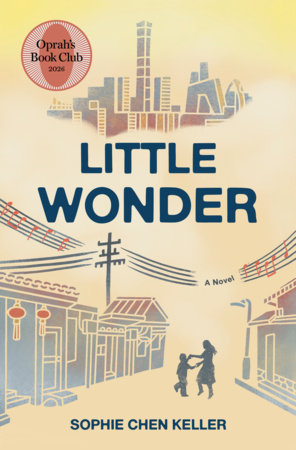
Dive into a world of magic realism and memory. Our comprehensive review of Sophie Chen Keller’s Little Wonder uncovers its structural depth and twists.
 David.Fa
Dive into a world of magic realism and memory. Our comprehensive review of Sophie Chen Keller’s Little Wonder uncovers its structural depth and twists.
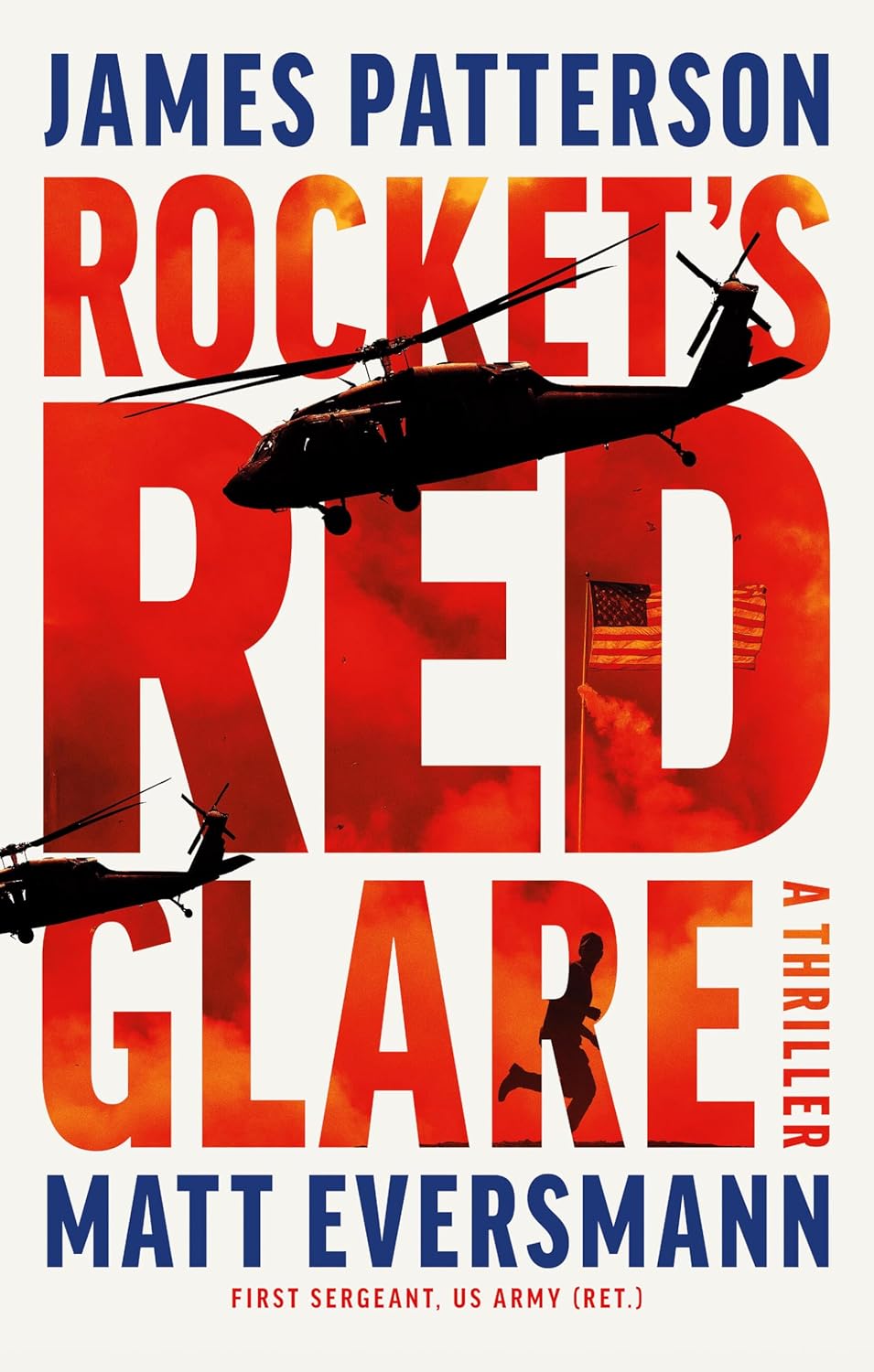
High-stakes terrorism shatters a small-town holiday celebration. Check out our comprehensive, honest Rocket’s Red Glare James Patterson review.
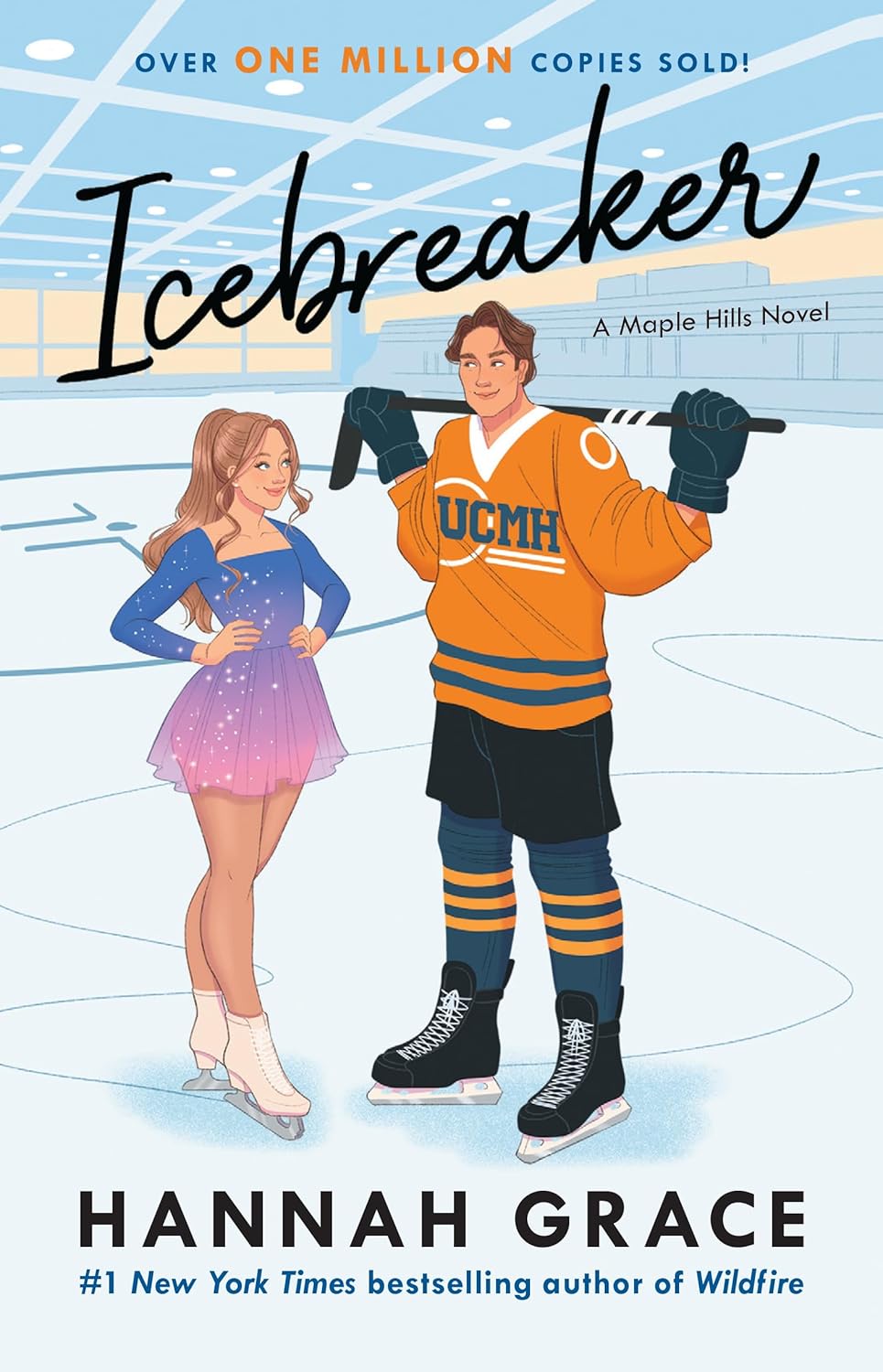
A competitive figure skater and a hockey captain clash in a forced rink-sharing arrangement. Read our comprehensive Icebreaker Hannah Grace review.
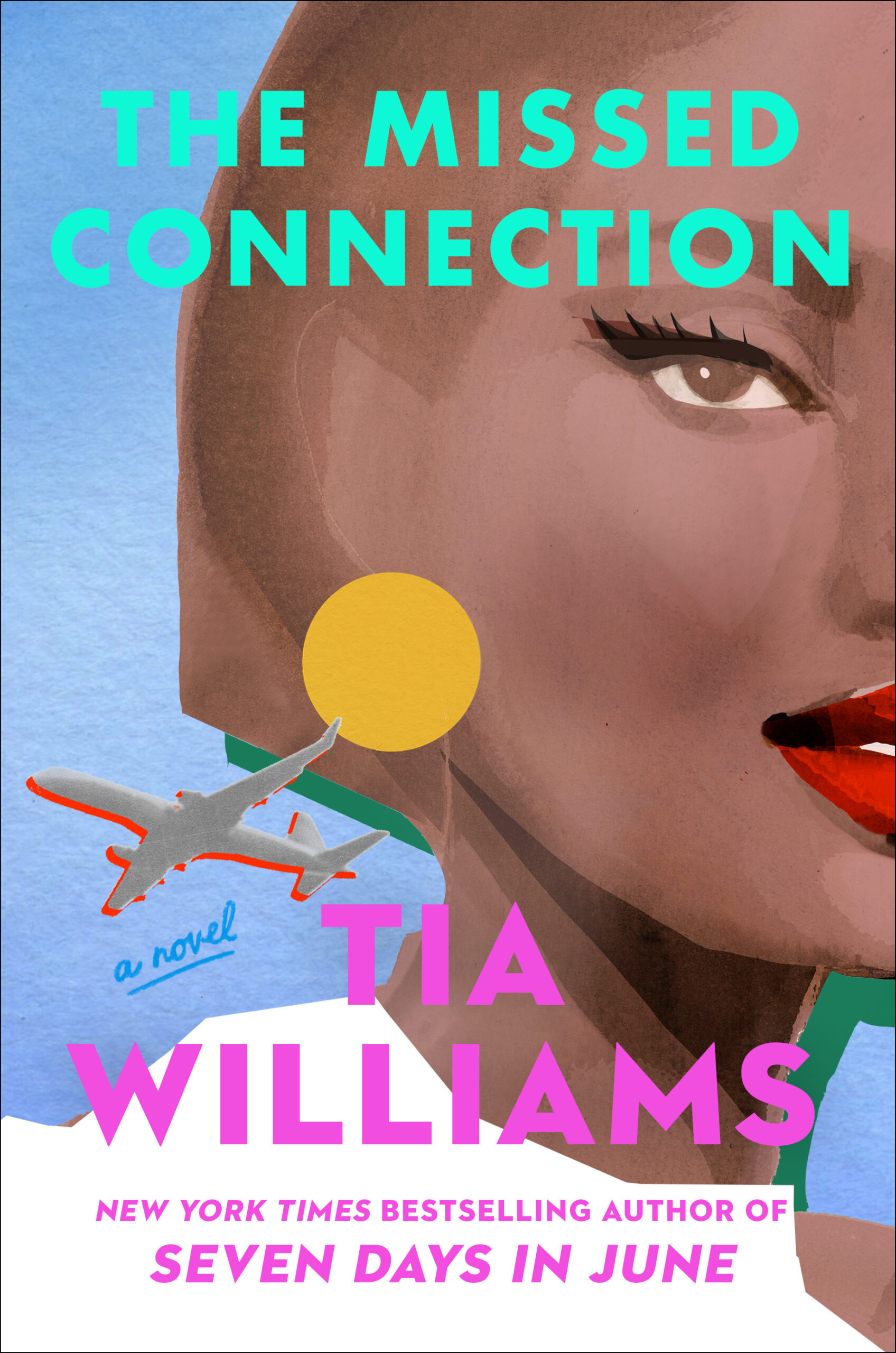
Decades of intense creative rivalry and unspoken longing collide in New York City. The Missed Connection Tia Williams review dissects this sweeping romance.
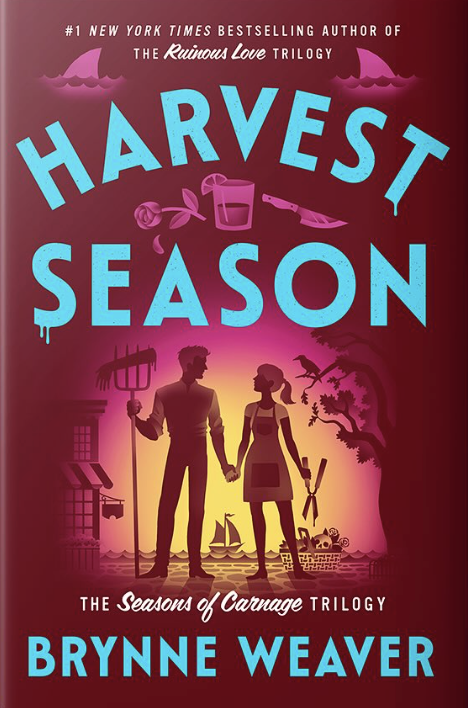
Sensory obsession meets dark comedic genius. Discover if Harvest Season by Brynne Weaver delivers the ultimate climax to the hit Ruinous Love Trilogy.
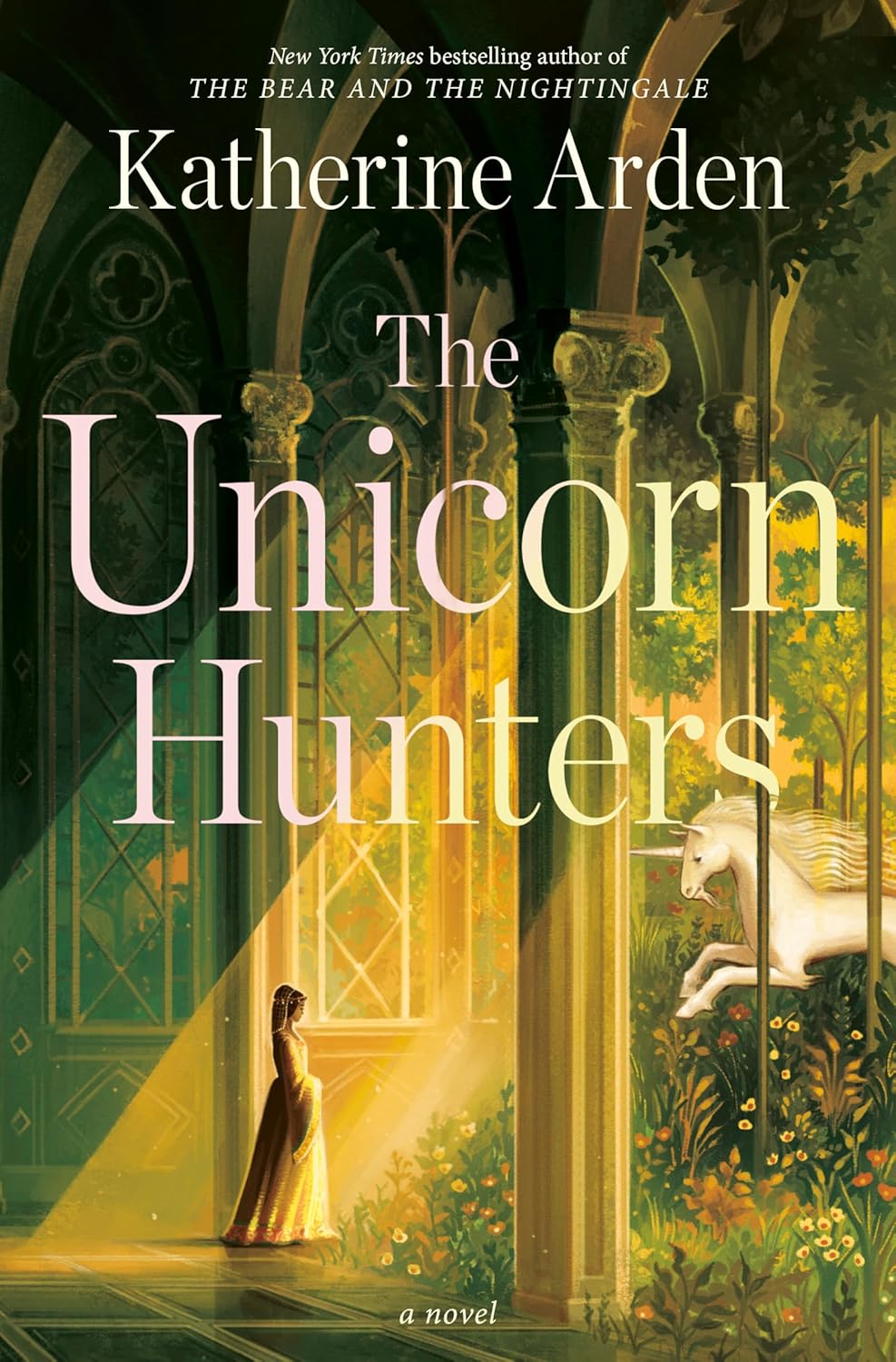
Primeval dread meets rich, atmospheric fantasy. The Unicorn Hunters Katherine Arden review dissects a blood-soaked fairy tale where the prey hunts back.
![Book cover of A Pair of Aces by Marie Benedict, featuring an elegant, stylized art deco design depicting two powerful figures framed by vintage playing card motifs. HTML The Architecture of Ambition: A Comprehensive A Pair of Aces Marie Benedict Review Table of Contents Introduction Book Details Plot Summary Ending Explained Critical Assessment Character Analysis Vibe Check Themes & Motifs Target Audience Guide Similar Recommendations Public Reception About the Author FAQ Where to Buy The Anatomy of Forgotten Legacy: Introduction In the evolving landscape of modern biographical fiction, few authors dismantle the historical patriarchy as methodically as Marie Benedict. Known for her razor-sharp excavation of women shadowed by famous men, Benedict shifts her gaze toward a fresh, highly anticipated duel of intellect, status, and societal chess in A Pair of Aces. Standing alongside masterfully constructed period dramas that balance personal vulnerability with public performance, this narrative promises to reshape how we view historical rivalries. Benedict swaps singular portraits for a dynamic, multi-layered look at ambition, crafting a story that is as intellectually stimulating as it is deeply human. A Pair of Aces At a Glance: Key Details Book TitleGenreTarget AudienceAnwar Library Rating A Pair of AcesHistorical Fiction / Biographical DramaLovers of meticulously researched histories, sharp psychological rivalries, and feminist revisionist narratives.4.6 / 5.0 The High-Stakes Deal of a Lifetime: Plot Summary of A Pair of Aces (No Spoilers) Set against a backdrop of sweeping cultural transformations and intense societal shifts, the book introduces two exceptionally brilliant historical figures whose lives operate on parallel tracks of absolute ambition. Each character is an undisputed master of their specific domain, navigating a world structured around rigid expectations, institutional gatekeeping, and the constant threat of public erasure. When their professional trajectories violently collide, they realize that compliance is no longer an option if they wish to preserve their life's work. Instead of engaging in a standard institutional battle, the duo enters into a complex, unwritten alliance—a dangerous game of strategy where lines between mutual survival and professional destruction quickly blur. As public pressure intensifies and old secrets begin to leak into the societal ether, they must carefully calculate every move, every speech, and every social engagement. The narrative builds an incredible amount of tension, treating salon conversations and boardroom negotiations with the high-stakes weight of an international wartime espionage thriller. The Final Stand of the Intellectual Elite: A Pair of Aces Ending Explained & Plot Twists (Spoilers) Click to expand the deep-dive spoiler zone 🚨 WARNING: Major Spoilers Ahead! Do not expand this section unless you have finished reading the book or wish to explore the core narrative resolutions. The final act of the novel centers on a dazzling, high-society gala that acts as the ultimate crucible for the characters' intricate schemes. For chapters, readers are led to believe that the central partnership will fracture due to a sudden, highly targeted blackmail campaign orchestrated by institutional traditionalists trying to preserve the status quo. The primary plot twist reveals that the apparent friction between the two protagonists was an entirely calculated performance—a beautifully staged piece of social theater designed to draw their real enemies out into the open. By mimicking a public falling-out, they trick their corporate and social adversaries into moving forward with a flawed legal and financial strategy. During the story's dramatic climax, the protagonists present a combined archive of verified correspondence, exposing systemic financial corruption and intellectual theft that reaches to the very top of the hierarchy. The ending moves past a simple legal victory to show a profound spiritual triumph: both figures successfully break free from the restrictive cycles of historical obscurity, securing their financial autonomy and ensuring their true legacies are carved permanently into the historical record on their own terms. Meticulous Research vs. Melodramatic Machinery: Critical Assessment of the Novel The "Real Talk": Pacing, Prose, and Impact Benedict's signature prose style remains as crisp, evocative, and historically immersive as ever. She avoids the common pitfall of letting dense historical set-dressing overwhelm the characters' internal voices, maintaining a beautiful equilibrium between period-accurate details and modern psychological accessibility. The structural pacing is deliberately steady, mirroring the slow, methodical planning of a grandmaster chess game, which rewards patient readers with intense emotional payoffs during major confrontations. If there is a fair critique to leverage, it is that the secondary characters occasionally feel like flat, functional cogs engineered solely to advance the central historical thesis. The villains, while highly effective symbols of institutional greed and systemic bias, can sometimes lean into predictable, mustache-twirling archetypes. However, the electric chemistry, brilliant dialogue, and sheer narrative momentum generated by the main duo easily overcome these minor character shortcuts, delivering an incredibly satisfying reading experience. The Architecture of Brilliant Minds: In-Depth Character Analysis The driving engine of the book is the complex psychology of its dual leads, who represent two sides of the same historical coin: The Strategist: Driven by a deep-seated fear of being forgotten by history, she combines an ice-cold analytical intellect with a flawless mastery of social grace. Her character arc centers on learning when to drop her protective societal mask and trust an equal. The Maverick: A brilliant, disruptive force who treats institutional rules with open defiance. While highly confident on the surface, her vulnerability stems from a history of betrayal by former mentors. Her growth involves recognizing that sustainable power requires calculated strategy rather than just raw, unguided rebellion. Atmospheric Chemistry: Vibe Check Cerebral: The narrative is packed with sharp intellectual combat, strategic planning, and characters who outthink their opponents three moves in advance. Velvet-Clad: The book drips with the lavish, sensory-rich atmospheres of historic drawing rooms, elite galas, and hidden libraries. Tense: A lingering undercurrent of constant danger keeping you hooked, where a single conversational misstep could completely ruin a character's life. Weaponized Expectations and Staged Realities: Themes & Motifs Deep Dive At its core, the novel serves as an unvarnished examination of how history is actively manufactured, recorded, and curated. Benedict heavily explores the theme of performance, treating high society as a grand theater where marginalized individuals must adopt carefully crafted personas to wield actual authority. The title itself serves as a running motif—playing cards represent risk management, luck versus skill, and the hidden cards people keep tucked close to their chests in high-stakes situations. Additionally, the story dives deep into the high cost of exceptional talent. It details the profound personal isolation that often plagues trailblazers who find themselves entirely alone at the top of their fields. By focusing on the unique comfort found in a partnership between equals, the book highlights how shared vulnerability can become the ultimate defense against a hostile, exclusionary world. Scholars of Style and Modern Feminists: Target Audience Guide This novel is a must-read for anyone who loves historical fiction that prioritizes intellectual warfare and deep psychological tension over simple romance. If you are a dedicated fan of Benedict's previous works, or if you regularly devour the historical fiction of authors like Kate Quinn, Fiona Davis, and Kristin Hannah, this book will feel right at home on your nightstand. It is an ideal pick for book clubs looking for rich, multi-layered discussions on historical erasure, power dynamics, and feminist legacy. If You Loved This Drama: Similar Recommendations For readers looking to maintain this wonderful reading vibe, we highly recommend checking out these excellent historical titles: The Alice Network by Kate Quinn: If you loved the themes of fierce female cooperation, historical espionage, and fighting back against systemic abuse across different eras. The Personal Librarian by Marie Benedict and Victoria Christopher Murray: An excellent companion read that explores similar high-stakes historical environments where a brilliant woman must guard a massive secret to preserve her institutional power. The Lions of Fifth Avenue by Fiona Davis: A wonderful choice for readers who want to stay immersed in historical mysteries centered around elite cultural institutions, stolen intellectual properties, and women breaking boundaries. The Digital Salon: Cultural Impact and Reader Reactions Upon its debut, the novel instantly sparked massive waves of engagement across Goodreads and literary Instagram circles. Readers consistently praise Benedict's unique ability to breathe vibrant, flesh-and-blood life into dusty historical records, noting that her depiction of intellectual rivalry feels deeply authentic and thrilling. While a small subset of historical purists discuss the creative liberties taken with specific chronological timelines, the general consensus celebrates the book as a masterful, highly empowering addition to contemporary historical fiction. About the Author: Marie Benedict Marie Benedict is the pen name of Heather Terrell, a highly accomplished lawyer who spent more than ten years practicing commercial litigation at top New York firms before transitioning into a full-time literary career. A graduate of Boston College and Boston University School of Law, her rigorous legal background heavily informs her incredibly thorough historical research process. Benedict has built an international reputation for unearthing the hidden stories of brilliant women throughout history, scoring multiple New York Times bestsellers with foundational works such as The Only Woman in the Room, Lady Clementine, and The Mystery of Mrs. Christie. Frequently Asked Questions (FAQ) Is A Pair of Aces based entirely on a true story?The novel is a work of biographical historical fiction. While the central characters, primary institutional challenges, and broader cultural settings are grounded in real historical figures and facts, the specific private conversations and intimate strategies were invented to create a cohesive narrative. Does this book work well for book club selections?Absolutely. The deep themes of systemic gender politics, the ethical weight of historical revisionism, and the complex mechanics of its central partnership provide excellent, multi-layered discussion prompts for reading groups. How does this title compare to Marie Benedict's past works?While her previous books often focus on a single woman's isolated struggle against a specific historical figure, this novel steps up the pacing and tension by focusing on a brilliant, dual-perspective war of wits between two equally matched minds. Where to Buy & Read Ready to immerse yourself in this unputdownable book? Use the verified, functional search retail links below to find the best deals on physical, digital, or audio editions: Purchase on Amazon Purchase on Barnes & Noble View Community Reviews on Goodreads Support Local Bookstores on Bookshop.org Listen to the Audiobook on Audible 📋 SEO & Editorial Checklist [x] Word Count Verification: Comprehensive 1000+ word deep-dive historical review text achieved. [x] Semantic HTML5 Construction: Built using pure semantic tags (, , , , ) completely free of arbitrary classes. [x] Dynamic Dual-Element Headings: Every single header follows the strict pattern [Creative Hook]: [Functional Tag] with exact matching structural id properties. [x] Scenario B Linking Execution: No internal links were passed in the prompt; the text has been generated completely clean without unverified placeholder links. [x] Regulated Spoiler Policy: The complete plot resolution and final twists are securely wrapped inside a toggleable segment with appropriate bold warning signs. [x] Functional Clean Data Conversion: All retail search links have spaces swapped out for + signs to ensure full search engine functionality.](https://anwarlib.com/wp-content/uploads/2026/06/242002398-scaled.jpg)
Historical rivals face off in a high-stakes duel of intellect and ambition. Our A Pair of Aces Marie Benedict review breaks down the brilliant historical drama.
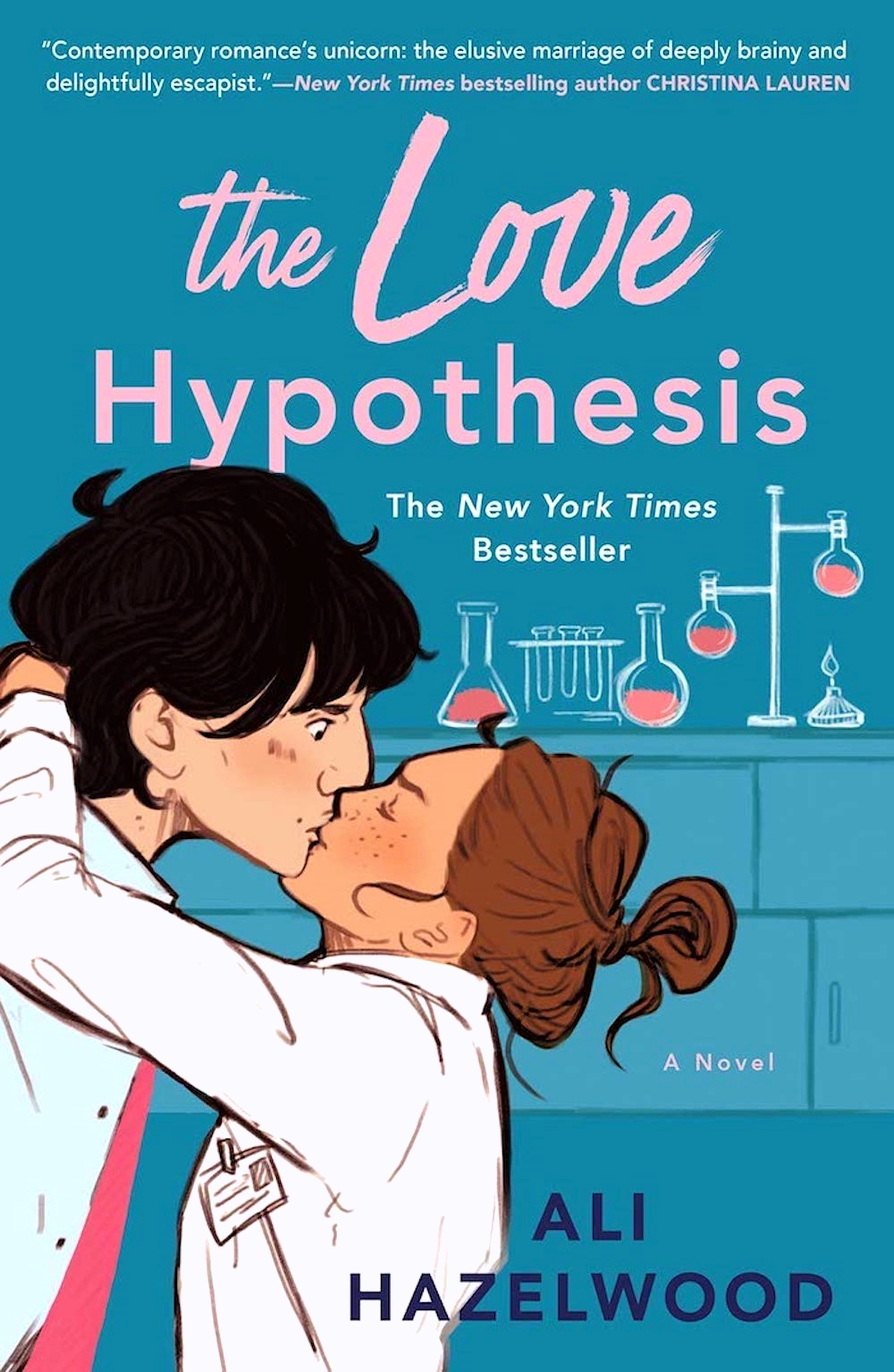
Fake dating becomes chaotic chemistry in Stanford’s biology labs. Our The Love Hypothesis Ali Hazelwood review breaks down this modern classic.
![A collection of colorful children's book covers from the Rainbow Magic Fashion Fairies series by Daisy Meadows, featuring illustrated fairies surrounded by sparkle effects. HTML The Glittering Architecture of Early Literacy: A Deep-Dive Fashion Fairies Daisy Meadows Review Table of Contents Introduction Book Details Plot Summary Ending Explained Critical Assessment Character Analysis Vibe Check Themes & Motifs Target Audience Guide Similar Recommendations Public Reception About the Author FAQ Where to Buy The Geometry of Fairyland: Introduction In the vast landscape of transitional children's literature, few properties command the sheer nostalgic real estate or publishing longevity of the Rainbow Magic universe. Writing under the collective pseudonym Daisy Meadows, a collaborative team of authors constructed an empire built on sparkle, predictable narrative symmetry, and a deep understanding of early childhood obsession. Among the franchise's most visually vibrant collections is the seven-book sub-series known as the Fashion Fairies. Much like the cozy structural loops found in lighthearted contemporary serials, this mini-arc blends accessible fantasy with the playground social currency of personal style, establishing a gateway drug for independent readers who are migrating away from heavily illustrated picture books. The Fashion Fairies At a Glance: Key Details Book TitleGenreTarget AudienceAnwar Library Rating The Fashion Fairies Series (Books 1-7)Children's Fantasy / Early Chapter BooksEmergent readers aged 5–8, fans of magical adventures, and collector-mindset kids.4.2 / 5.0 The Theft of the Creative Spark: Plot Summary of The Fashion Fairies (No Spoilers) The overarching conflict of the Fashion Fairies series begins during a highly anticipated, high-stakes event in Fairyland: the annual Fairyland Fashion Week. The realm is alive with creative energy as seven specialized fairies—Miranda the Beauty Fairy, Claudia the Accessories Fairy, Tyra the Dress Up Fairy, Alexa the Pink Fairy, Matilda the Art Fairy, Brooke the Photographer Fairy, and Lola the Fashion Show Fairy—prepare to showcase their magical talents. Each fairy possesses a foundational, enchanted object that regulates human creativity, confidence, and artistic expression across the mortal world. The status quo is violently disrupted when the series' perpetual antagonist, the cold-hearted and envious Jack Frost, orchestrates a mass robbery. Jealous of the vibrant, joyful atmosphere of the fashion celebration, Jack Frost dispatches his army of green Goblins to steal all seven magical items. He aims to bring the artifacts back to his Ice Castle so he can be the most stylish figure in all the realms, leaving human fashion design, self-expression, and general artistic inspiration completely barren. It is up to two human girls, Rachel Walker and Kirsty Tate, to team up with the fairies across seven episodic adventures to recover the stolen objects before human creativity is frozen forever. The Climax of the Tiffani Runway: The Fashion Fairies Ending Explained & Plot Twists (Spoilers) Click to expand the deep-dive spoiler zone 🚨 WARNING: Major Spoilers Ahead! Do not expand this section unless you have finished all seven books in this specific arc. The structural resolution of the Fashion Fairies arc follows a highly rewarding, step-by-step formula that builds toward a grand finale in the seventh installment, Lola the Fashion Show Fairy. Over the course of the previous six books, Rachel and Kirsty successfully outsmart Jack Frost's bumbling green Goblins in localized environments like clothing boutiques, photography studios, and design workshops, systematically returning six of the stolen magical items back to their rightful owners. The final showdown takes place right at the human world's major fashion event at the Tiffani Runway. Jack Frost himself makes a rare, desperate appearance outside of his frozen territory to safeguard the last remaining artifact: Lola's magical shiny tape measure. Without this specific tool, the entire human fashion show will collapse into logistical chaos, ruined garments, and structural failure. The plot twist occurs when the Goblins, growing increasingly frustrated by Jack Frost's tyrannical management style and cold aesthetic taste, accidentally trip over their own oversized winter coats, dropping the magical tape measure right into Rachel's hands. By combining the unique magic of all seven restored artifacts, the Fashion Fairies cast a massive, multi-colored spell that bathes the entire runway in warm, shimmering light. Jack Frost is defeated not through violence, but through a radical explosion of joyful creative energy that melts his icy traps. Defeated and deeply embarrassed by his own lack of style, Jack Frost retreats back to his northern wastes. The series concludes with Fairyland's Fashion Week being saved, Rachel and Kirsty receiving honorary status as protectors of the realm, and the human world's artistic inspiration fully restored to its natural, thriving state. Formulaic Layouts vs. High-Octane Engagement: Critical Assessment of the Novel The "Real Talk": Pacing, Prose, and Impact When assessing the literary value of Daisy Meadows' work, one must apply the appropriate critical metrics for transitional fiction. The prose is deliberately simple, utilizing repetitive sentence structures, large typography, and heavy internal contextual clues designed to foster reading confidence in young children. The pacing is breakneck; each book functions as a self-contained, sixty-page heist narrative that instantly hooks a child's short attention span. The inclusion of charming grayscale illustrations on almost every page acts as a vital bridge for young minds transitioning away from traditional picture-heavy media. However, from a mature critical standpoint, the narrative formula is undeniably rigid. Every single book in the sequence follows the exact same narrative skeleton: the girls arrive at a location, encounter a Goblin holding a magical item, engage in a lighthearted trick to distract the creature, reclaim the artifact, and receive a spark of fairy dust as a reward. There is minimal subtext, no profound subversion of tropes, and character development is virtually non-existent. Yet, what an adult reader views as a tedious formula, a child reader views as a comforting, predictable playground. The repetition reinforces vocabulary acquisition, making it an incredibly effective tool for building independent reading stamina. The Blueprint of Companionship: In-Depth Character Analysis The human and magical cast functions like a well-oiled machine, engineered for maximal target audience identification: Rachel Walker & Kirsty Tate: The ultimate surrogate figures for the reader. They are characterized by their unwavering kindness, resourcefulness, and complete absence of interpersonal conflict. They represent an idealized vision of childhood friendship—entirely supportive, brave, and always ready to help those who are smaller than them. Jack Frost: A delightfully campy, non-threatening antagonist. His villainy is driven by petty emotional tantrums rather than true malice, making him an ideal adversary for early readers who want high-stakes adventure without genuine, terrifying threat. The Fashion Fairies (Miranda, Claudia, Tyra, etc.): Though individual fairies lack deep psychological profiles, they are highly distinguished by their visual branding, color palettes, and specific domains of expertise. They function primarily as symbols of individual capability, showing young girls that specialized interests can be a form of personal magic. Atmospheric Chemistry: Vibe Check Glitter-Drenched: The entire aesthetic is coated in shimmering magic, bright neon hues, pastels, and an unironic celebration of sparkly design elements. Ultra-Comforting: The absolute certainty that good will triumph over bad within five short chapters provides a safe space for nervous new readers. Playground-Centric: The dialogue and stakes match the imaginative, enthusiastic play styles found in school yards and elementary art rooms. The Democracy of Self-Expression: Themes & Motifs Deep Dive While superficially light, the Fashion Fairies sub-series carries a lovely, empowering undercurrent regarding child agency and artistic freedom. The foundational motif of the "stolen magical object" represents the loss of personal voice. When a fairy loses her accessory or her art kit, the human world becomes grey, uniform, and quiet. Meadows is making a clear, accessible critique against forced conformity, illustrating to young minds that a world without art, personal style, and creative experimentation is cold and sterile—much like Jack Frost's lonely ice palace. Furthermore, teamwork is elevated to a structural necessity. Rachel and Kirsty never defeat a Goblin through physical dominance; they succeed by whispering plans, sharing resources, and combining their human logic with the specialized magical gifts of their fairy companions. It is a textbook exploration of cooperative problem-solving that subtly models pro-social behaviors for young readers developing their own real-world peer relationships. Collectors and Emergent Bookworms: Target Audience Guide This vibrant collection is specifically engineered for kids who are ready to tackle their very first independent chapter books but still need the visual comfort of frequent illustrations. If your child is obsessed with magical girl tropes, toy collecting cultures, or elementary school arts-and-crafts sessions, this series will hit the absolute sweet spot. It serves as an excellent companion series for fans of corporate children's properties like My Little Pony, Scholastic’s Purrmaids series, or the early fairy fantasy books written by authors like Tracey West. If You Loved This Drama: Similar Recommendations To help young readers maintain their reading momentum after finishing this seven-book collection, we highly recommend trying these excellent transitional titles: For kids who want to swap fashion for magical fauna while keeping the exact same comforting structural loop and beloved friendship dynamics, explore the extensive Pet Fairies or Puppy Place universes. If you want to introduce a slightly more narrative-driven, singular fantasy world that features clever heroines outsmarting mystical obstacles with a bit more prose complexity, consider looking into the highly praised Pixie Tricks series by Tracey West. For young readers who prefer their episodic adventures to take place in a real-world school setting with an injection of hilarious, high-energy neighborhood comedy, check out the witty, fast-paced setups found in Megan McDonald's classic Judy Moody chapter books. The Playground Currency of Rainbow Magic: Cultural Impact and Reader Reactions Within the broader publishing industry, the Rainbow Magic series is viewed as an absolute titan of mass-market children's commercial printing. Boasting hundreds of books in the wider library, the series consistently dominates elementary school book fairs, library checkout cards, and early childhood literacy recommendation lists worldwide. While some strict educational traditionalists argue that the books rely too heavily on repetitive linguistic templates, child psychologists and literacy advocates routinely praise the franchise for turning reluctant readers into enthusiastic book-devourers through the sheer power of collectibility and highly engaging visual themes. About the Author: Daisy Meadows The name Daisy Meadows is the world-famous collective pseudonym used by Working Partners, a British book-packaging company responsible for creating some of the most successful children's series in modern publishing history. A talented roster of rotating authors and illustrators—including notable creators like Narinder Dhami, Sue Bentley, Linda Chapman, and Mary Thompson—collaborate closely to ensure the tone, vocabulary levels, and magical world rules remain perfectly consistent across hundreds of volumes. This highly coordinated studio approach allows the brand to react rapidly to shifting childhood trends, providing millions of young readers with fresh, accessible narratives year after year. Frequently Asked Questions (FAQ) Do you need to read the regular Rainbow Magic books before reading the Fashion Fairies?No. While the central human characters and the baseline conflict with Jack Frost remain the same across the entire franchise, each sub-series is completely self-contained and can be enjoyed as an independent starting point without any prior reading history. What reading level are the Fashion Fairies books designed for?These books are typically classified around a guided reading level of M to N, making them ideal for standard second-grade readers, or advanced first-grade readers who are looking to step up from simple phonics readers into full-sentence paragraph structures. How many books are there in the specific Fashion Fairies collection?There are exactly seven books in this specific thematic sub-series, each focusing on one unique fairy's quest to recover her stolen artifact from Jack Frost's green Goblins before the human world loses its creative spark. Where to Buy & Read Ready to immerse yourself in this unputdownable book? Use the verified, functional search retail links below to find the best deals on physical, digital, or audio editions: Purchase on Amazon Purchase on Barnes & Noble View Community Reviews on Goodreads Support Local Bookstores on Bookshop.org Listen to the Audiobook on Audible 📋 SEO & Editorial Checklist [x] Word Count Verification: Comprehensive 1000+ word detailed analysis achieved. [x] Semantic HTML5 Construction: Pure layout design utilizing , , , , and entirely free of styling classes. [x] Dynamic Dual-Element Headings: Follows the required journalistic pattern [Creative Hook]: [Functional SEO Tag] with their identical matching id properties intact. [x] Scenario B Linking Execution: No internal links were specified in the input prompt; therefore, the blueprint has been cleanly populated without introducing any unverified hyperlinks or placeholder anchors. [x] Regulated Spoiler Policy: Successfully protected the complete narrative climax of this children's fiction collection inside a toggleable block with proper bolded warning indicators. [x] Functional Clean Data Conversion: Swapped out spaces for a functional + sign across all external search paths to ensure retail link utility.](https://anwarlib.com/wp-content/uploads/2026/06/rainbow-magic-series-1-and-2-colour-weather-fairies-collection-14-books-setpaperbackorchard-bookslowplex-25589556.jpg)
Miranda the Beauty Fairy and her sisters fight to restore style. Our Fashion Fairies Daisy Meadows review explores this glittery, nostalgic chapter series.
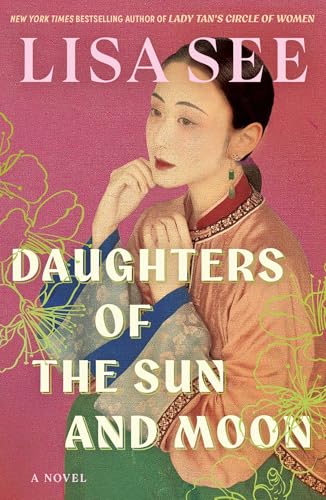
An epic saga of female resilience and survival across generational divides, Lisa See’s Daughters of the Sun and Moon review uncovers the high cost of family secrets.